
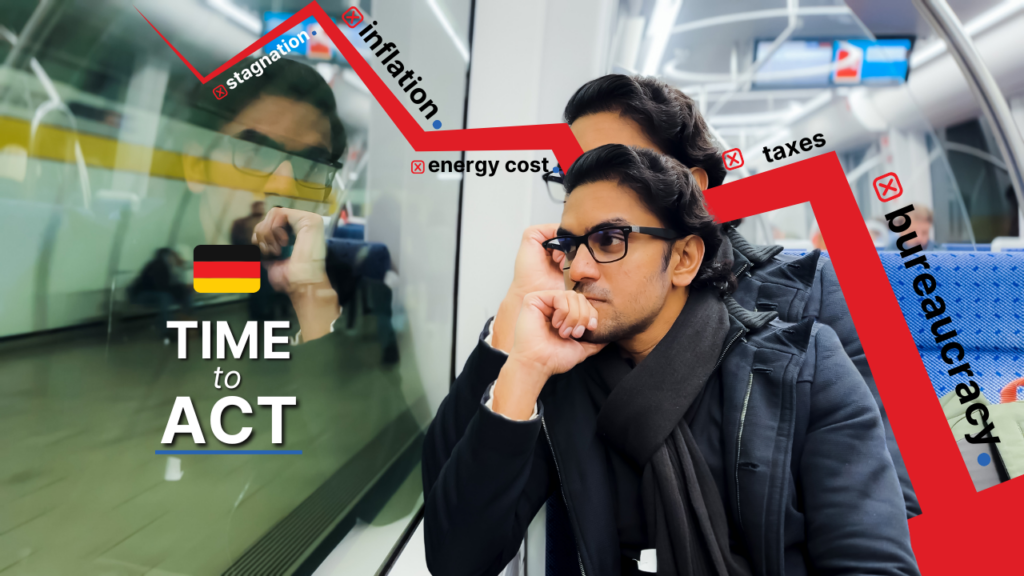
Germany is going through one of its toughest phases. Recession. Layoffs. Industry slowdowns. It’s real, and it’s scary. Now there are lots of reasons behind this rising energy costs, increasing competition from China, the ripple effects of U.S. policies, and many more.
And yes, it’s the government’s job to fix things with the right policies. But that doesn’t mean we just sit around waiting. In fact, there’s actually a lot we can do as individuals to help Germany recover from this crisis. And I’m not talking about some motivational fluff. I’m talking about specific, practical steps we can take to support this country that’s given us so much.
So if you’re someone who’s genuinely worried about where Germany is heading… and you don’t want to just sit back and hope for the best, but actually be part of the change.
Support Local Businesses and Smart Spending
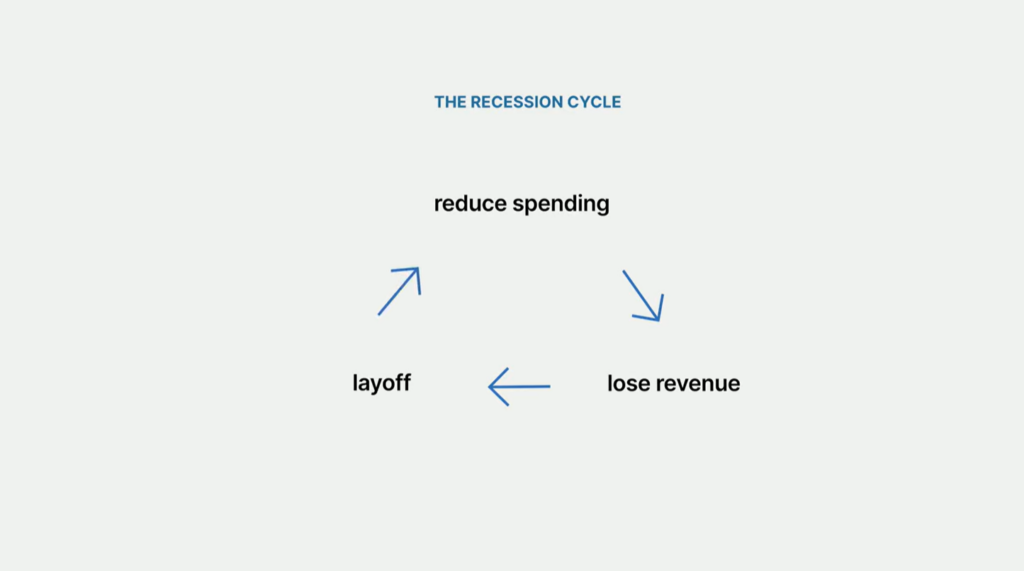
More than half of Germany’s GDP, or the total economic output, comes from private consumption. From regular people like you and me spending money, making choices, and contributing to the system. But as soon as people hear the word “recession,” they get cautious and cut down on spending. And when millions of people stop doing that at the same time, businesses lose revenue. When businesses lose revenue, they lay people off. When people get laid off, they stop spending. And the cycle continues.
So, what can you do to stop this cycle? If you’re financially stable, try not to stop spending out of fear. And I know what you’re thinking “Wait, aren’t we in a recession? Shouldn’t I be saving every cent?” If your job is at risk, or your income is unstable yes, by all means. Build that emergency fund. Cut unnecessary expenses. Protect yourself first. But if your finances are in a good place, don’t completely hold back either.
Again, I’m not saying go on a shopping spree just spend consciously. For example, if you’ve been planning to buy a television for a while, don’t delay it just because we’re in a recession. That’s all. And buy local. Make sure to buy German-made products and to support small, independent businesses. For example, instead of always going to big fast-food chains, try eating at a small family-run restaurant maybe that cozy Italian place around the corner or the local Bäckerei where everything’s baked fresh every morning. Yes, it might cost a few euros more. But think of it as an investment for your future. Every euro you spend on German goods or local services helps keep demand steady and supports businesses that need it right now.
Now, smart spending is just the beginning. But there’s something else that has an even more direct impact, yet most people completely ignore it…
Taxes
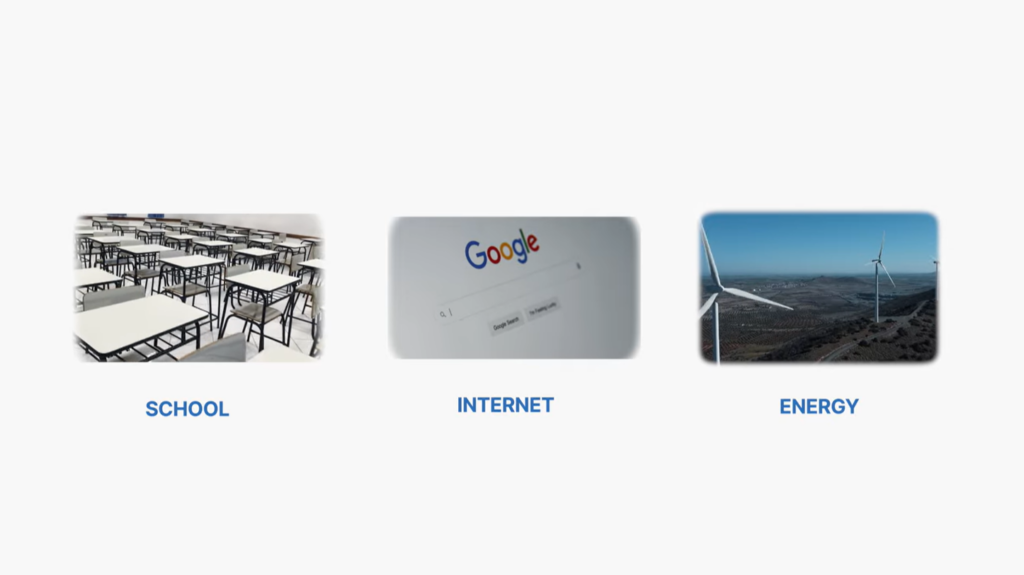
Okay, I know, it’s not a favourite topic, but I need to talk about taxes. Germany loses around €100 billion every year because of tax evasion and undeclared work. That’s huge. That’s money that could’ve gone into better schools, faster internet, and cleaner energy, all of which help fuel growth and make life better for everyone. Think about it. Germany’s free education system and strong social welfare network don’t just appear out of nowhere. Taxes are what keep a functional democracy running.
So one of the simplest yet most powerful things we can do is to be honest with our taxes. Always ask for an invoice or receipt, even for small services like a plumber or a cleaner. If someone offers you a “cash discount” with no paperwork or suggests doing something “under the table,” don’t agree. True, it might save you 20 or 50 euros today, but in the long run, they hurt the system we all rely on.
And make sure you file your taxes on time; use Elster if you’re comfortable doing it yourself. Or if you are still unsure, get help from a Steuerberater. And most importantly, encourage people around you, your friends, family, and colleagues, to do the same.
Now, I know some of you might be thinking, “But why should I pay more when I see politicians wasting money or when the system isn’t perfect?”
And, I get it. Yes, we should absolutely demand transparency and efficiency from the government. That’s our right. But we shouldn’t use that as an excuse to not do our part. A country where everyone pays their fair share is one that can survive any crisis and keep moving forward.
Conserve Energy
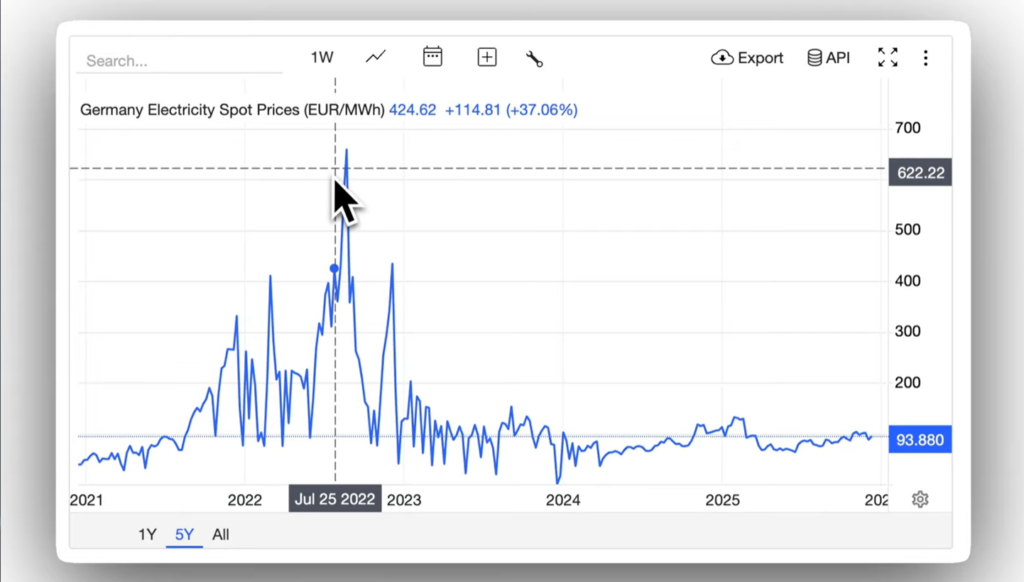
One of the big reasons Germany slipped into a recession was the high energy prices due to the war in Ukraine. Even though prices have started to come down now, the impact is still there.
That’s why reducing your energy consumption is one of the fastest ways to save money and strengthen the economy at the same time. Start small: switch old bulbs to LEDs, turn off devices completely instead of leaving them on standby, and lower your thermostat by just one degree during winter. Save water by keeping showers short and using efficient shower heads. If possible, wash clothes at 30°C instead of higher temperatures.
All these might sound like tiny actions. But when millions of people do them, it does have an impact.
Stay Informed and Vote Wisely:
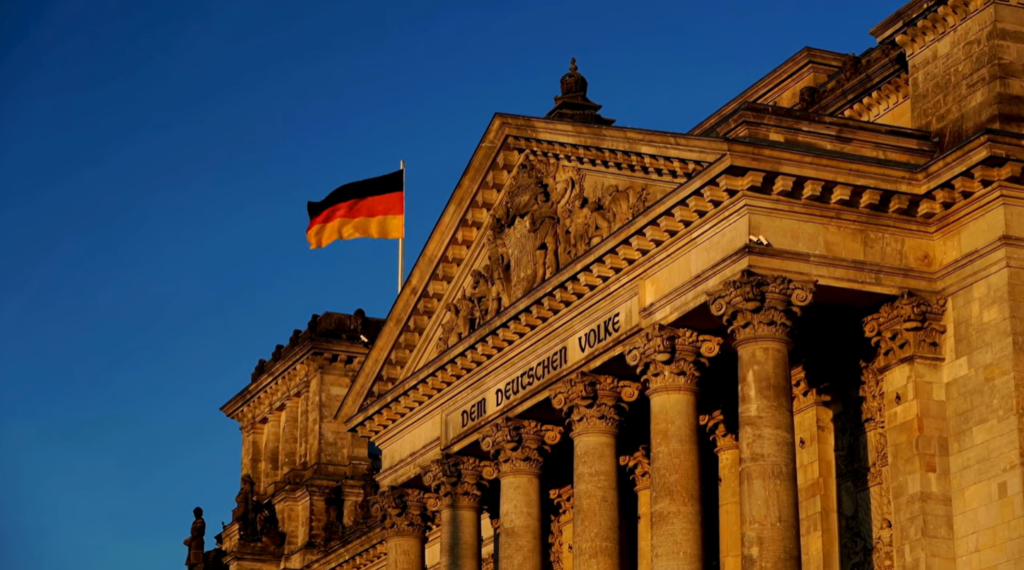
Government policies always play a very big role in deciding how fast a country can recover from a recession. But here’s the thing a government doesn’t form on its own; in a democracy, the people choose their government. Having the right to vote is one of the greatest powers we have as citizens and yet, so many of us take it for granted. Think about it generations before us fought, protested, and even risked their lives just so we could have a say in how we’re governed. So one of the first things I did after getting my German citizenship was to exercise that right to vote.
But you won’t be able to use your vote in the right way if you don’t even know who you’re voting for. So start by following trusted news sources like Deutsche Welle, Handelsblatt, or Tagesschau. Stay updated on what’s actually happening.
Try to really understand what each political party stands for, not the slogans, but their actual plans. And when it comes time to vote, choose the people who talk about development, economic growth, and real social security. Because at the end of the day, the choices we make, the leaders we put in power, and the values we stand behind… that’s what decides the direction Germany goes in.
Invest in Germany’s Future
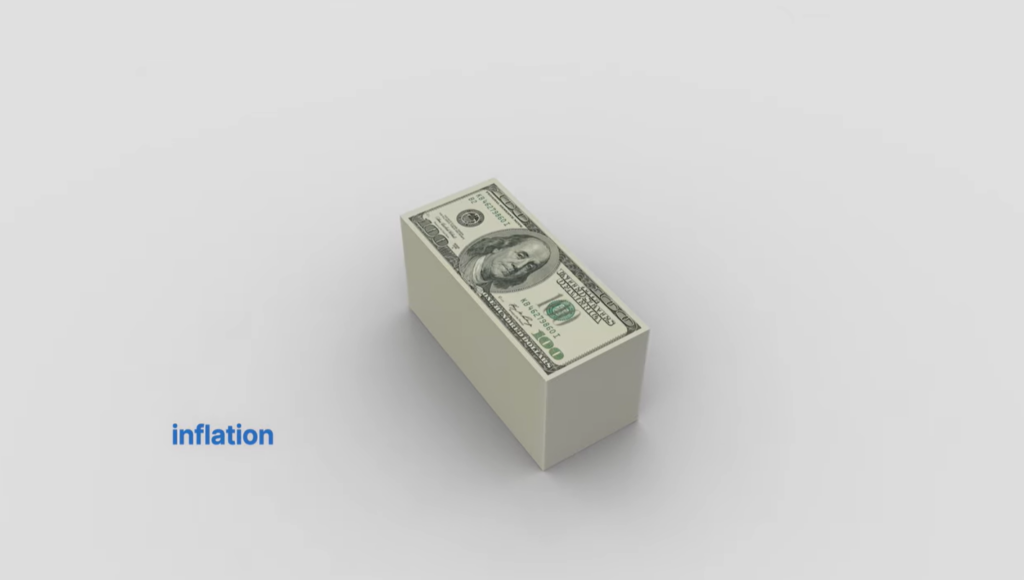
Germany has always had a conservative approach to investing. In fact, less than 10% of household savings in Germany go into the stock market. That’s surprisingly low for a country with such a strong economy.
And look, I understand. Maybe you come from a culture where investing feels risky, or maybe you just don’t know where to start. But here’s what you need to understand: Every year your money sits in a low-interest account, inflation is eating away at your savings, and you’re actually losing money.
And here’s the beautiful part: When you invest in German companies or German ETFs, you’re not just helping yourself. You’re providing capital that businesses need to grow. Of course, this doesn’t mean investing blindly. You should understand the risks, diversify your portfolio, and invest for the long term. Even 25 or 50 euros a month into a diversified ETF is a good place to start. Small investments when made by many people can add up and help reduce Germany’s dependence on foreign investors.
But there’s an even better way to build wealth not just for yourself, but for the country too.
Entreprenuership
By being an entrepreneur. And you don’t need to build the next billion-euro company that builds AI robots or Space Ships to the moon. Start by solving a small problem in your community. Maybe it’s a service people need. Maybe it’s something you can teach. Maybe it’s a product you can create. Every business, no matter how small it begins, adds value to the economy. And who knows your small idea might grow into something much bigger and become the kind of breakthrough Germany needs.
Positive Mindset
I know when you keep hearing news about job losses, bankruptcies, and rising prices, it’s hard to stay positive. Economic downturns don’t just hit our wallets; they hit our mindset, too. But here’s the thing: negativity spreads fast, and that fear alone can further slow down recovery.
The best way to fight this is by spreading optimism and accurate information. Share real success stories of businesses bouncing back, of communities supporting each other. And be careful not to get caught up in dramatic headlines or rumors. We need to believe, truly believe, that we can bounce back. And that belief doesn’t just come from politicians or the media. It starts with us with how we talk about the economy, how we respond to challenges, and how we treat one another.
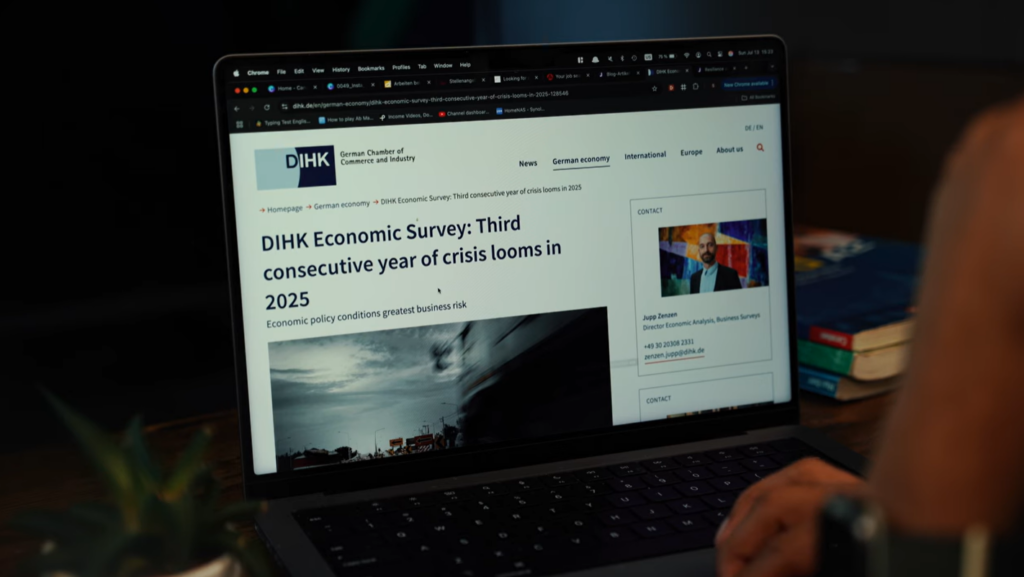
Because tough times don’t just test economies they test social unity. When times get tough, people get scared. And when people get scared, they start blaming each other. And throughout history, bad actors have often tried to use economic downturns to push their propaganda and spread hate, just to gain power.
So what do you do? You actively work against that narrative. Think critically, and do not let anger or fear be manipulated. Be kind. Be patient. Show solidarity wherever you can. If a colleague is worried about their job, show empathy. If someone’s struggling, offer help. Because a society that stands together with empathy and understanding gives the government the space it needs to focus on real solutions.
Conclusion
In times of uncertainty, it’s easy to think, “I’m just one person. What difference can I really make?” But the truth is a lot. The next Wirtschaftswunder, or economic miracle, won’t just come from some big government policy or a boardroom decision. It’ll come from the everyday actions of people like you and me from millions of informed, proactive citizens doing their part.
It’s not about waiting for the government to fix everything. It’s about each of us doing our part to build a stronger, more resilient Germany.
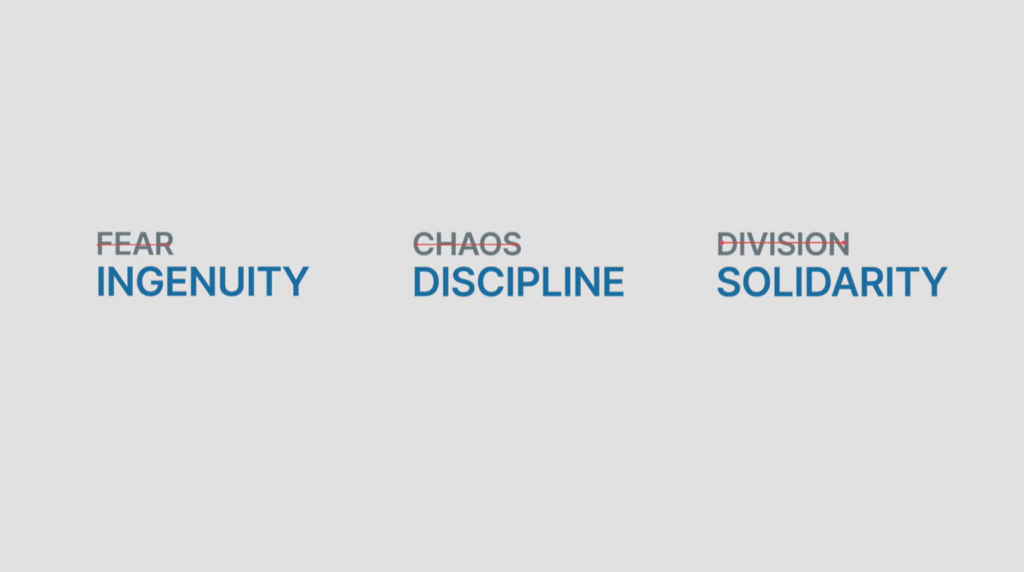
Germany has faced hard times before, and every single time, the country has come out stronger. Not because things were easy, but because people chose ingenuity over fear, discipline over chaos, and solidarity over division. And now… the next chapter of Germany’s story is being written as we speak. Make sure your story and your contribution find their place in those pages. Aufwiedersehen.