

If you’re living in Germany, or you’re planning to move here in 2026, listen up. Some big changes are happening this year. Changes that will affect your salary, taxes, pension, transport, and even your day-to-day expenses. Now, some of these changes will make your life easier. But others could cost you more money if you’re not prepared.
I’ll walk you through the most important changes coming to Germany in 2026. And to save you some time, I’ve split everything into different sections so if something doesn’t apply to you, just skip ahead.
Employees
Minimum Wage
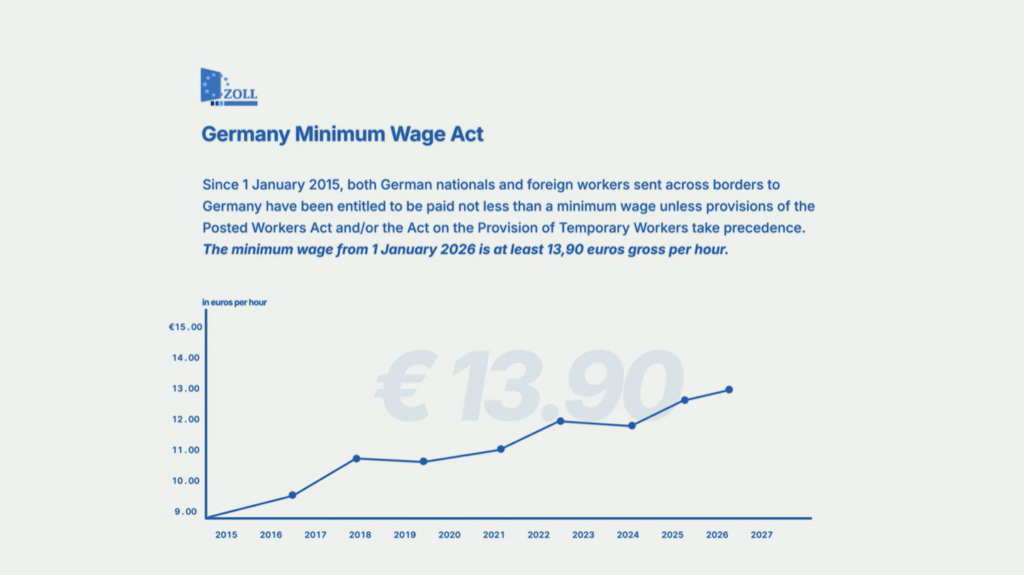
Starting January 1, 2026, the minimum wage in Germany jumps to €13.90 an hour. Now this is a big deal, especially if you’re a student or here on a job search and are working on a part-time job. Because even with the 20-hour limit, you will now be able to earn roughly €1,200 a month before tax.
For many people, that’s already enough to cover basic monthly expenses. And it doesn’t stop there. In 2027, the minimum wage goes up again, to €14.60 an hour. Same hours. Same job. Just more money reaching your account every month.
Active Retirement
Right now, the standard retirement age in Germany for those born in 1964 or later is 67. But the population here is getting older, and that’s putting serious pressure on the pension system. So the government has introduced a new scheme called Aktivrente or the Active Retirement model. With this new scheme, you’re allowed to keep working and earn up to €2,000 per month without paying any income tax on that amount. But keep in mind that insurance contributions could still apply. So if you’re someone who doesn’t want to completely stop working after retirement, you can stay active and earn a solid extra income without the usual tax burden.
Health Insurance
Germany’s aging population is also putting pressure on the healthcare system. Fewer people are paying into the system, and more people are actively using it. And someone has to cover that gap.
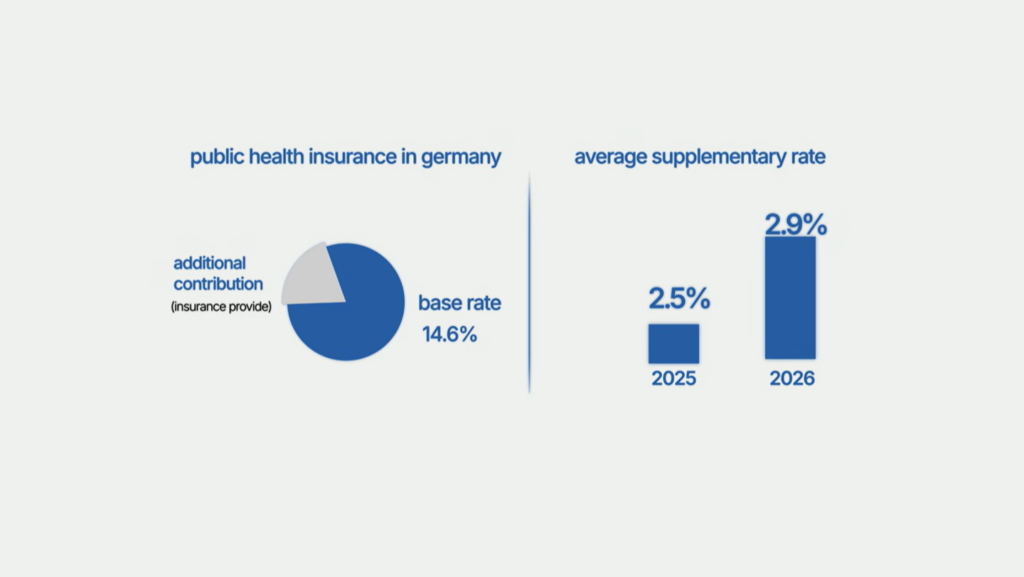
Now, the price of public health insurance in Germany has two parts. The first part is the base rate. That’s fixed at 14.6%. The second part is the additional contribution, and this one is set by your insurance provider.
And that’s what’s changing in 2026. The government is increasing the average supplementary contribution rate from 2.5% to around 2.9%. But that doesn’t mean every health insurance fund has to raise its rate. Each provider can decide independently.
And if your health insurance company does decide to increase, you are eligible for a special right to cancel and can switch to a cheaper provider.
Pay Transparency Law
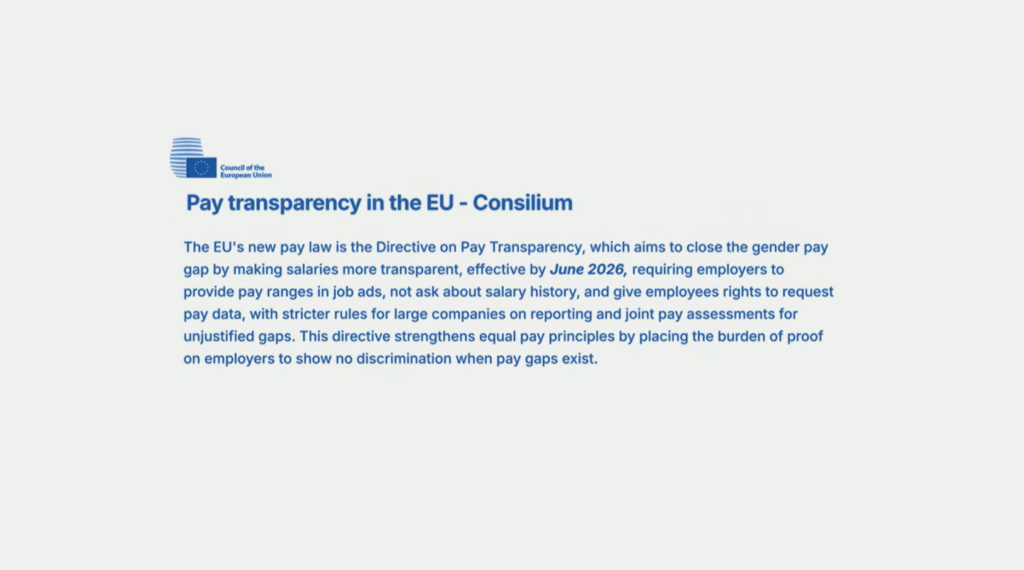
One of the stressful parts of joining a new company is not knowing whether you’re actually being paid fairly for the work you are doing. But this is about to change. The European Union has introduced a new pay transparency law, and Germany has to put it into effect by June 7, 2026. And this is a big deal.
With this law, employees will have the legal right to ask what people in similar roles inside the same company are actually earning. And it gets even better. Companies will be required to put salary ranges directly in job ads.
So before you even apply, before interviews, before negotiations—you already know what you’re walking into.
Taxes
Next, let’s move on to a topic almost no one likes to talk about, but has a huge impact on how much money you actually get to keep. Taxes. And there is good news here.
Income Tax Bracket
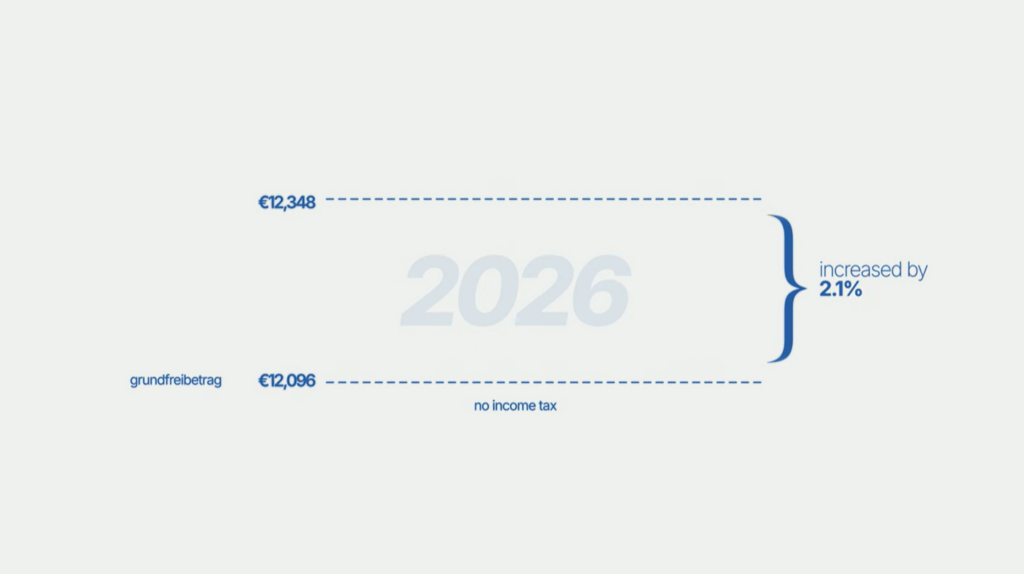
In Germany, there’s something called the Grundfreibetrag or tax-free allowance. It’s basically the income line below which you don’t pay any income tax at all. And in 2026, this tax-free allowance goes up from €12,096 to €12,348. That’s roughly a 2.1% increase.
So if you’re earning around €3,000 gross, you’ll see around €8 more in your pocket every month.
And the best part? You don’t have to do anything. Your employer will adjust this automatically, and you’ll notice the difference starting with your January salary.
Commuter Tax Relief
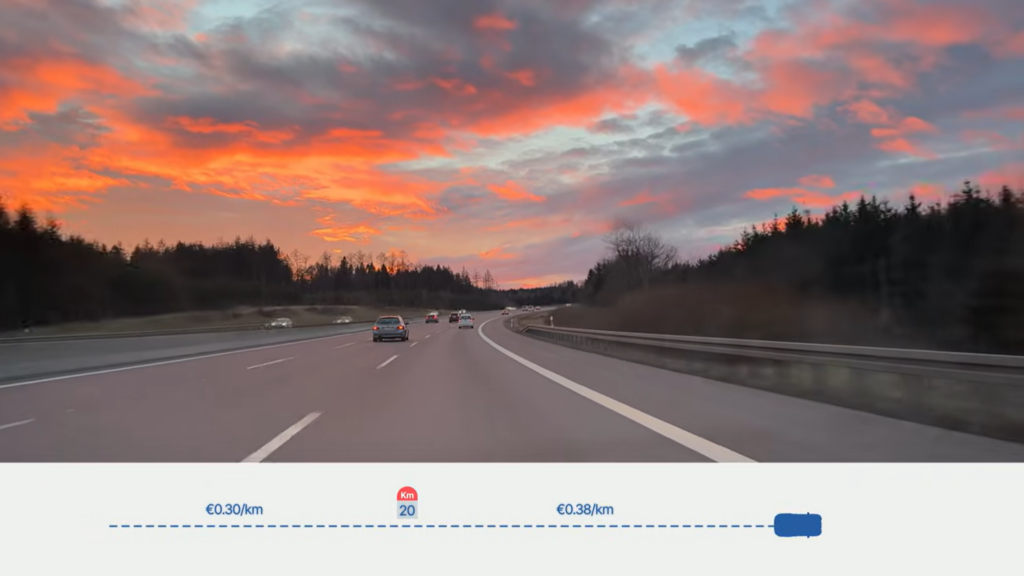
And if you commute to work every day, there is more good news.
Right now, you can get a tax deduction of €0.30 per kilometer for the first 20 kilometers, and €0.38 for every kilometer after that as commuting expenses. From 2026, you’ll be able to deduct €0.38 per kilometer from the very first kilometer of your commute. No more lower rate at the start.
So for every 10 kilometers you commute daily, you can deduct roughly €176 more per year on your taxes.
Solidarity Tax
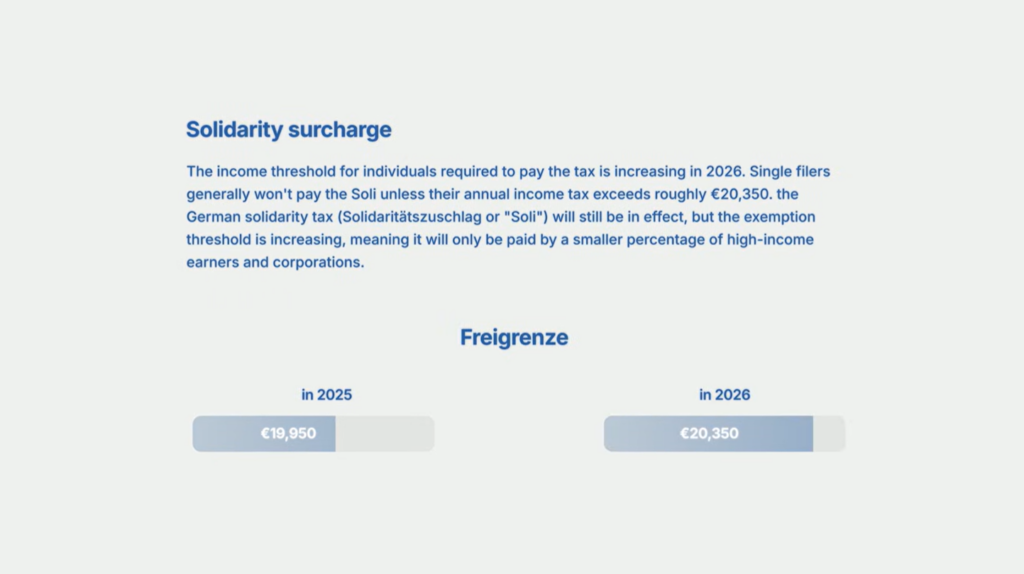
For the high earners out there, there’s another quiet change coming and it’s around the solidarity tax, or Soli.
If you’re not familiar with it, this is a surcharge introduced on income tax to help cover the costs of German reunification. And the important thing to know is this: you only pay the Soli if your income tax crosses a certain exemption limit, called the Freigrenze. In 2025, that limit was €19,950. From 2026, it moves up to €20,350. That means slightly fewer people will have to pay the Soli from this year onwards.
Digital Tax Letters (ELSTER)
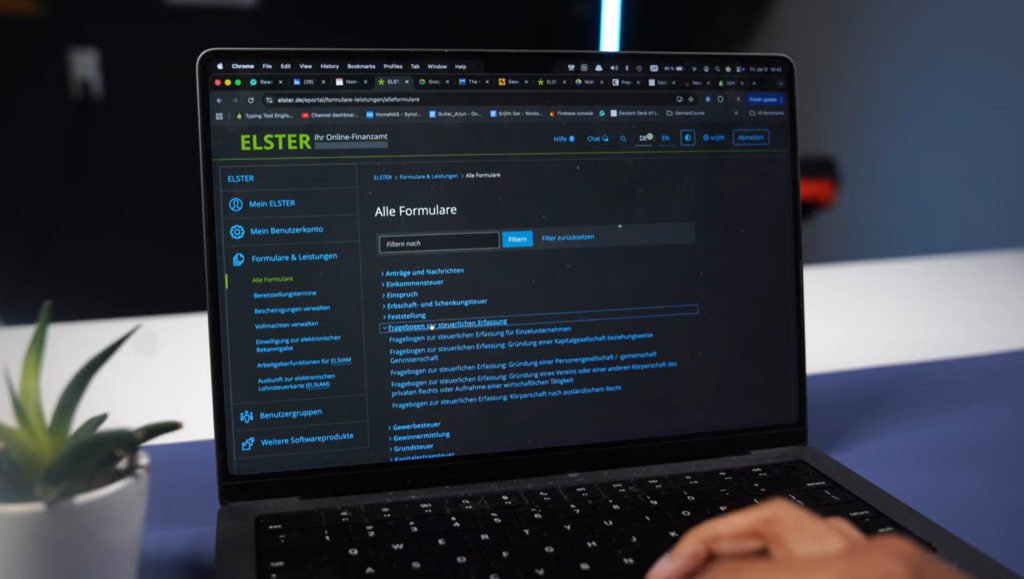
The last update from the tax section is about ELSTER and digital tax assessments. And this one can actually cost you money if you’re not careful.
If you file your taxes using ELSTER the official platform of the German tax office or any tax app connected to it, there’s an important change coming. From 2026 onwards, digital delivery via ELSTER becomes the default for communication from the Finanzamt. That means most letters from the Finanzamt will show up directly in your ELSTER inbox.
Now here’s the problem. Most people log into ELSTER maybe once a year, which means it’s very easy to miss a notification, a deadline, or even a payment request.
So if you use ELSTER, do this small thing right now. Log in and make sure email notifications are switched on so that you don’t miss any important notifications.
Everydaylife
Deutschlandticket
The Deutschlandticket was honestly one of the most revolutionary things that happened to public transport in Germany. With a single ticket, you could travel between buses, trams, U-Bahns, S-Bahns, and regional trains — all across Germany. And even though last year there were serious talks about scrapping, that’s not happening. It’s here to stay.
That said, it is getting more expensive. The price goes up from €58 to €63 per month. So yes, you’ll be paying a bit more. But if you’re a regular commuter, it’s still incredibly hard to beat the value you’re getting.
Eating Out

And if you’re someone who loves eating out, this next part is actually good news. Because Germany is permanently reducing the Mehrwertsteuer, or the Value Added Tax, on food served in restaurants. It’s that 19% you usually see on your restaurant bill. For food, it drops back down to 7%. But drinks stay at 19%. So your meal is gonna get cheaper but your beer or wine won’t.
Digitalisation
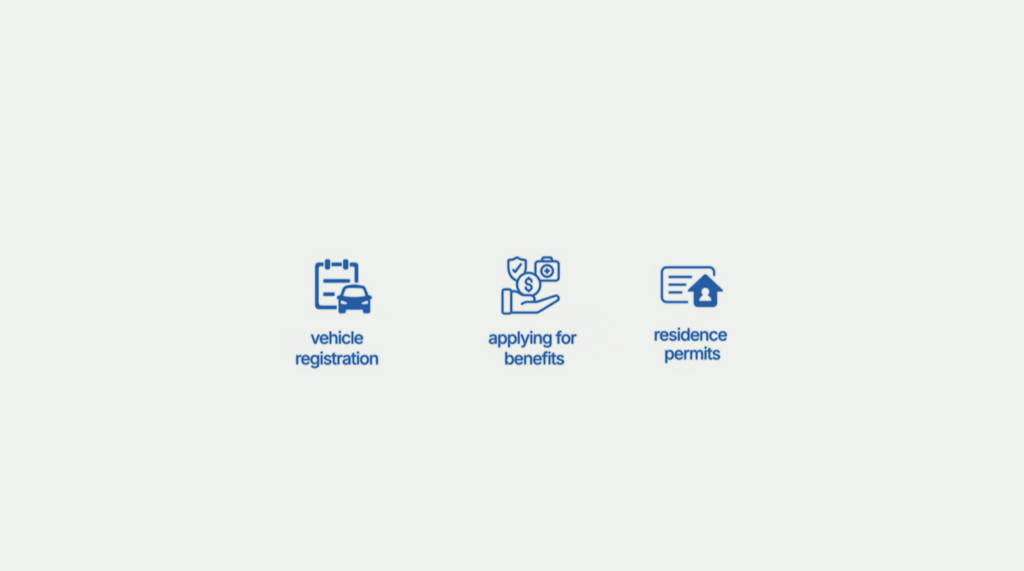
Germany is known for never-ending paperwork and slow bureaucracy. But now, the government is finally taking some real steps to change that.
And it starts with something simple. Things like vehicle registration, applying for benefits, or even residence permits should finally be possible online. No waiting weeks for appointments. No standing in line for hours.
Then there’s something new called the “once-only” principle. And this is big. It means you won’t have to submit the same documents again and again to different offices. If you register your address once, that information can be shared with other authorities with your consent.
Now, if you’ve lived in Germany for a while, you already know why this is a big deal. This is a country where physical letters and in-person appointments have been the default for decades. So when I say this, I don’t say it lightly Germany is finally, slowly changing the way things are done.
Energy Costs
When it comes to energy costs, there’s good news and bad news. So let’s start with the bad one.
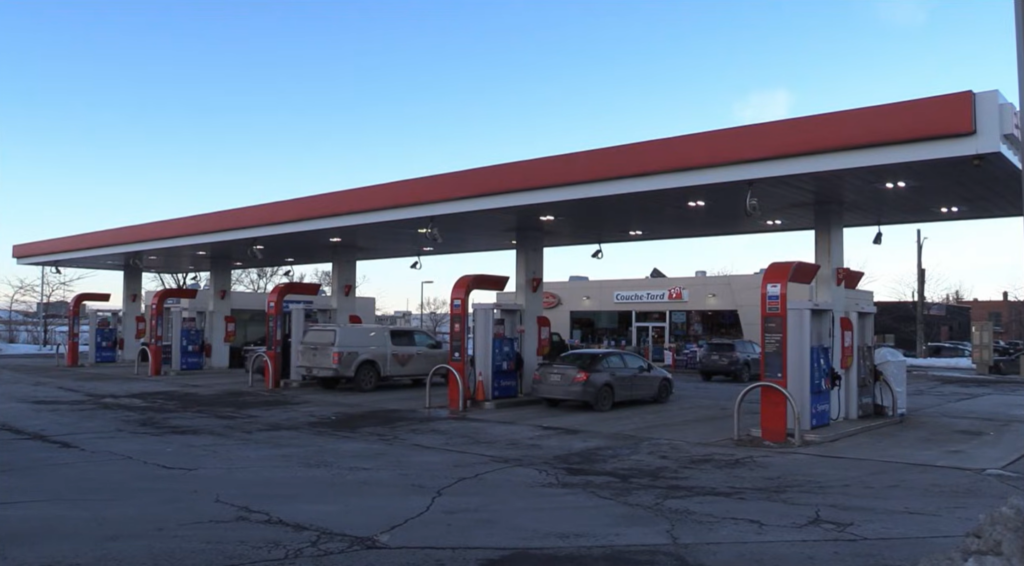
The CO₂ price on fossil fuels is moving to a market-based system. That means petrol gets more expensive roughly 2-3 cents more per litre. And it doesn’t stop there. If you’re heating your home with oil or gas, that gets slightly more expensive, too.
Now for the relief. The government is planning a €6.5 billion subsidy in 2026 to reduce grid fees. So on average, electricity should become about 1 to 2 cents cheaper per kilowatt hour.
Families
Day Care
Starting August 2026, every first-grader in Germany will have a legal right to full-day school and care. That’s up to eight hours a day, including lunch and after-school activities. The rollout happens step by step, and by 2029, it will cover all primary school grades from 1 to 4. For working parents, this would take a lot of pressure off everyday life.
Early Start Pension
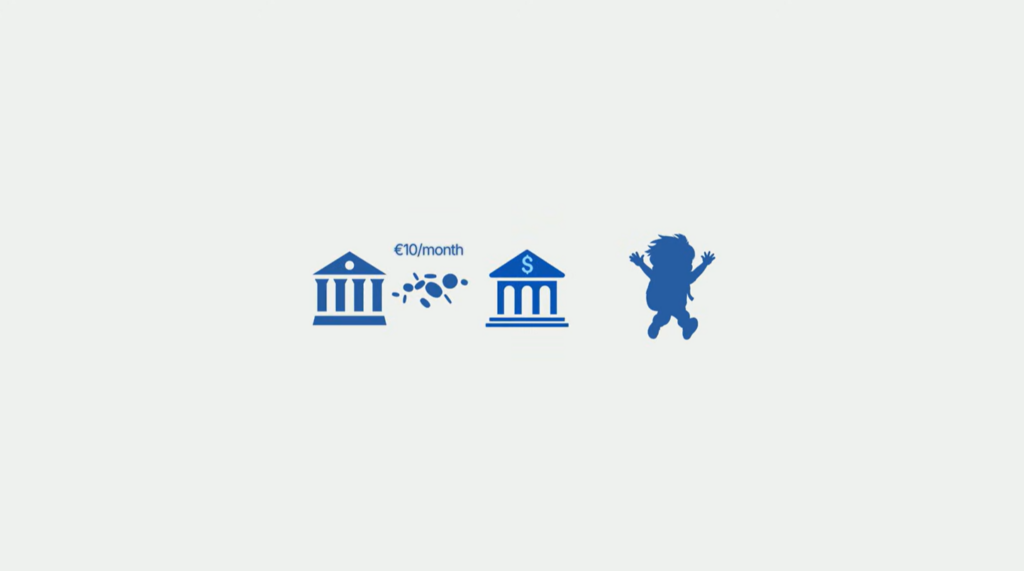
Germany is also introducing an early pension scheme for kids, and it’s called Frühstart-Rente. The idea is surprisingly simple. From around the age of six, the state puts €10 per month into a tax-advantaged retirement account for the child.
Now, this is not about fully funding anyone’s retirement. That’s not the point at all. This is more about mindset. It introduces kids to long-term investing early. It forces parents to actually open proper investment accounts for their children. And slowly, it improves financial literacy.
Child tax Allowance and Kindergeld.
Now, there are also some direct money benefits. The child tax allowance is increasing—from €9,600 to €9,756 per year, per child. At the same time, Kindergeld is also going up, from €255 to €259 per month, per child.
In short, if you are someone with Kids, life will get a bit easier from 2026.
Immigration
Work-and-Stay” Agency
If you’ve ever applied for an Opportunity Card, a student visa, or anything similar, you already know the struggle. Everything moves painfully slowly.
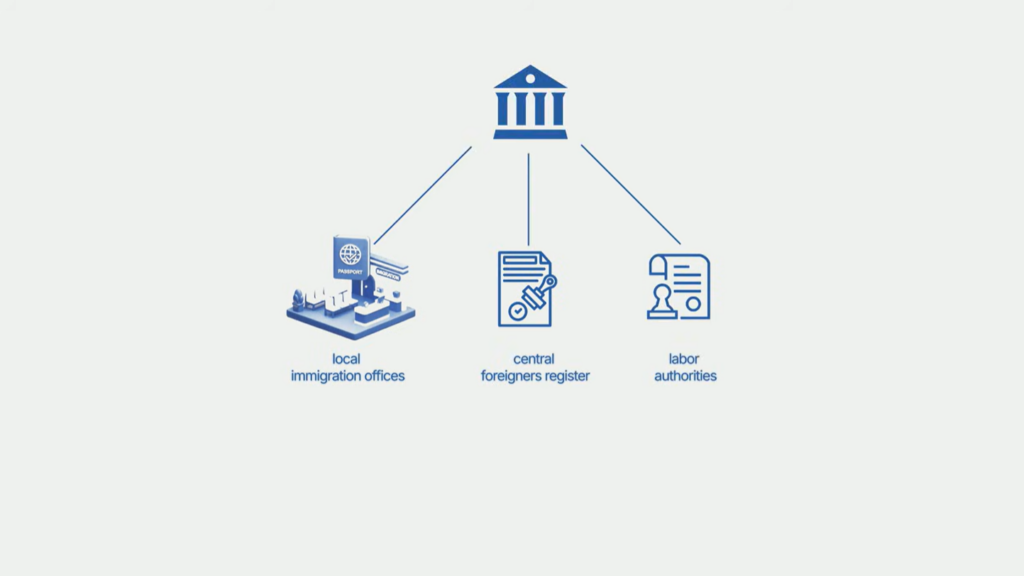
That’s exactly why Germany is setting up a new digital Work-and-Stay Agency. Instead of being sent back and forth between different offices, the whole process gets centralized and digitized. Local immigration offices, the central foreigners register, and labor authorities—all connected together in one system.
And for someone who wants to come to Germany for work, it means less paperwork and a much smoother experience.
Blue Card Changes
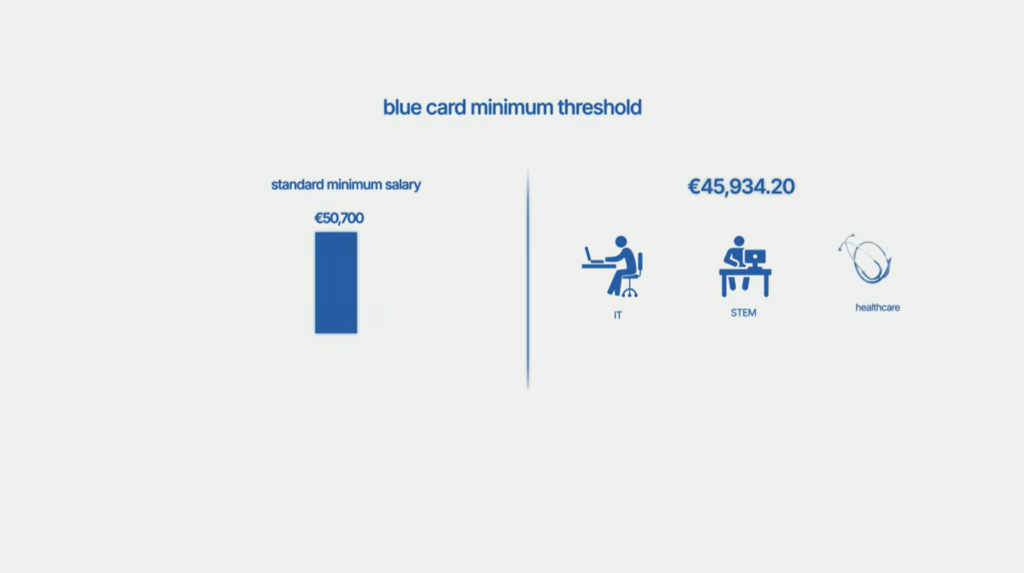
At the same time, the salary threshold to apply for the EU Blue Card is going up. From January 1st, the standard minimum salary increases to €50,700, and for shortage occupations like IT, STEM, and healthcare, the new lower threshold is €45,934.20.
Now, why does this still matter? The Blue Card gives you faster permanent residency, easier job mobility, family reunification, and a clear path to long-term settlement and citizenship. And an increased threshold means fewer people qualify even if they’re highly skilled and qualified.
Germany is changing. It’s adapting to the reality an aging population, a real labor shortage, and a digital shift that should’ve happened years ago.
And if you actually want to get the maximum benefit from these changes, you can’t just react later. You have to be informed, plan ahead, and make smarter decisions now.
And if you need more support to successfully move to Germany, I’ve put together a complete Germany Starter Guide called Neustart.
It covers everything from finding accommodation, to healthcare, to how life here actually works day to day. Just the things you actually need to know.