
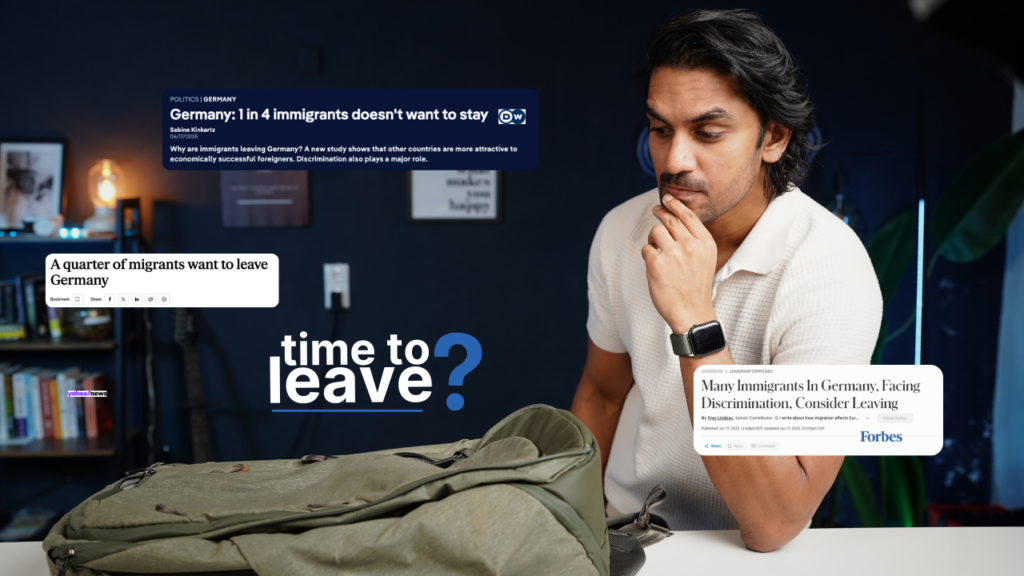
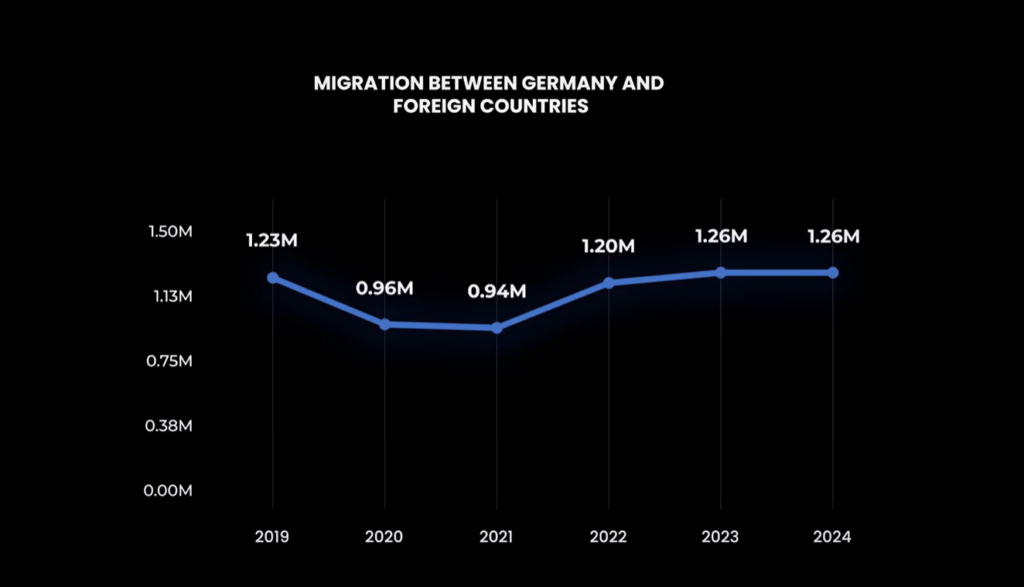
In 2024, more than a million people packed their bags and left Germany. And now, a new study shows that one in four immigrants here is actually thinking about doing the same. Some are moving back home, while others are chasing better opportunities elsewhere. And here’s the interesting part: it’s not just random people who are leaving.
We’re talking doctors, engineers, IT specialists… the very people Germany has been working so hard to bring in. So clearly, something’s happening here. And if you’re thinking about moving to Germany for work or studies, you’ll want to know this before making your final decision.
Economic Factors
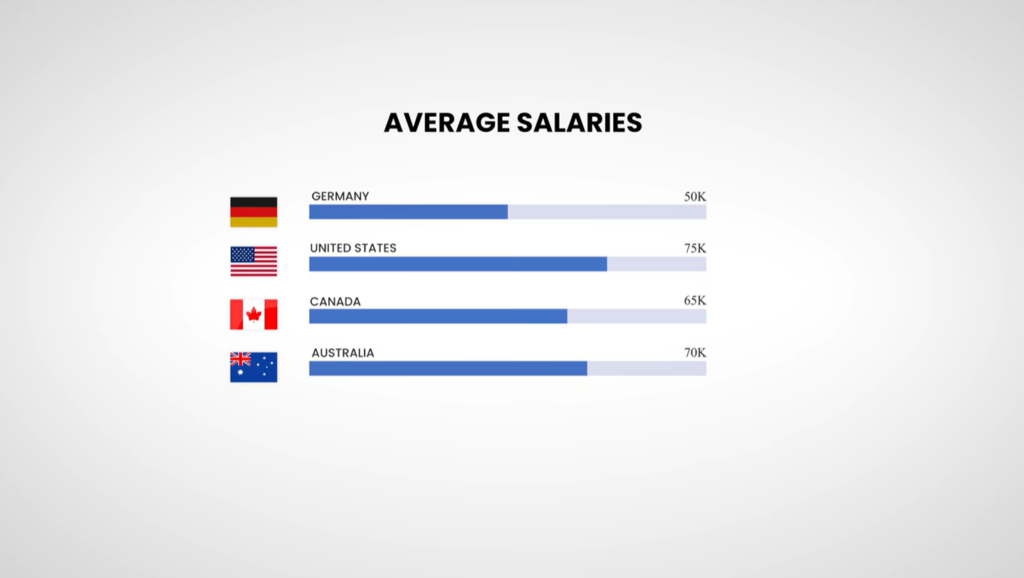
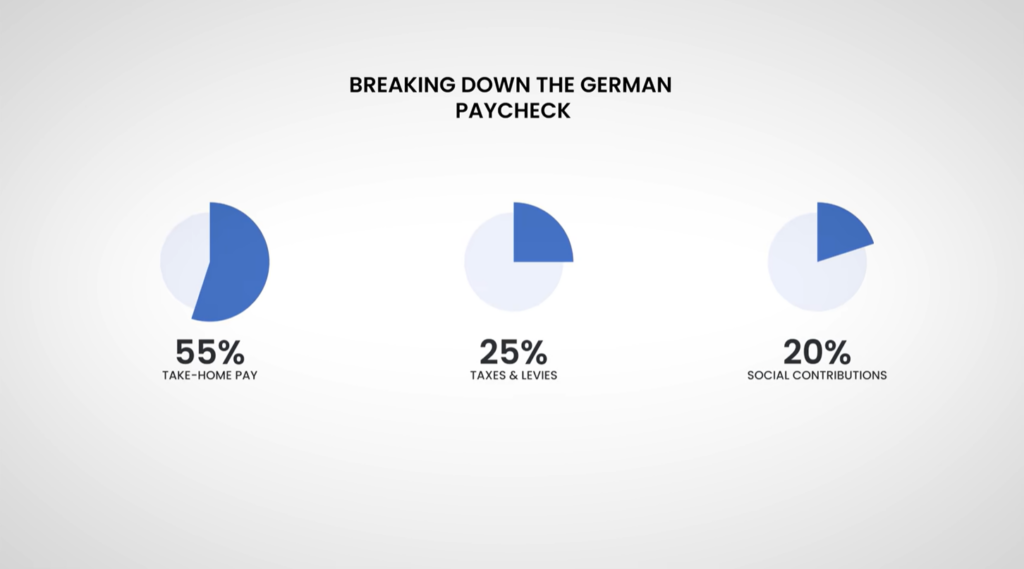
For most people, the number one reason to move abroad and work in a foreign country is simple money. But here’s the thing: salaries in Germany just don’t stack up against places like the US, Canada, or Australia. And once you factor in the high taxes and social contributions, that paycheck doesn’t look so attractive anymore.
But this isn’t something new. This was always the case. What’s really different now is the huge jump in the cost of living, especially housing. When I first came here 10 years ago, you could rent a 50m² apartment for about 400 euros. Today, that same place would be closer to 1000. In Berlin alone, rents have jumped by about 44% in just the last seven years.
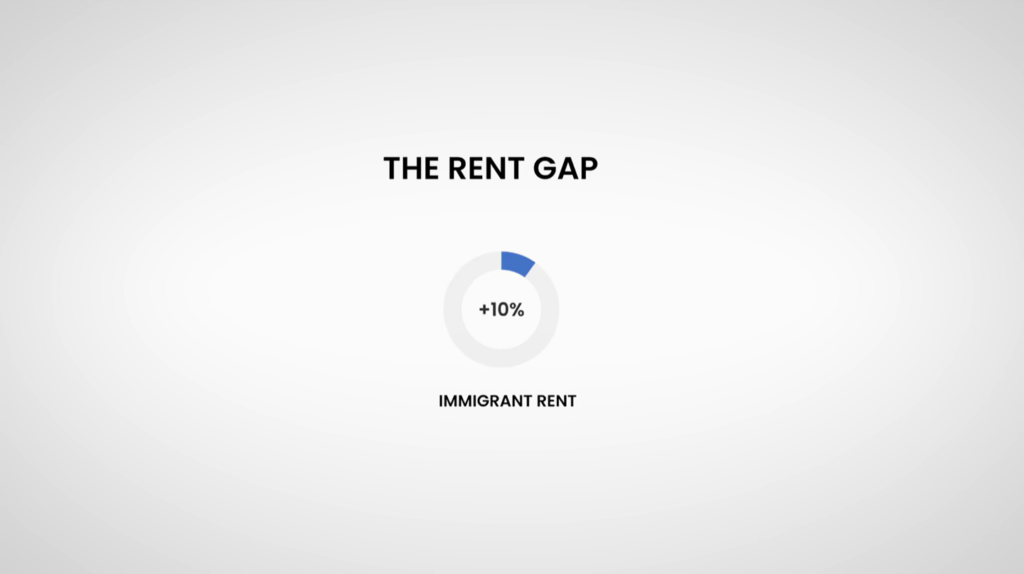
And here’s the tough part: most of the good jobs are in big cities like Berlin, Munich, or Frankfurt. But those are also the hardest places to find apartments. And if you’re new here and don’t speak German, it gets even harder to find something affordable. In fact, you’ll likely end up paying around 10% more in rent than locals. And after rent, bills, and daily expenses, there’s barely anything left to save.
And if you zoom out and look at the bigger picture, Germany’s economy has been slowing down, and unemployment has been rising, with no clear signs of recovery or growth. Put all of that together, and it’s easy to see why many feel they might actually do better somewhere else. But here’s the thing money isn’t the only reason people are leaving.
Political Climate and Policy Changes
Politics plays a big role in this, too. Migration has become one of the hottest topics in Germany right now. Far-right parties are gaining ground, and even mainstream ones are pushing for tougher rules. Although the country needs foreign skilled labor to address its aging population, decisions on this topic are often driven more by emotions than by facts.
And honestly, when you walk past rallies calling for deportations or see slogans blaming foreigners, it’s hard not to feel unwelcome.
Legal and Bureaucratic Hurdles
And then, of course, there’s the infamous German bureaucracy. If you’ve ever applied for a visa at a German consulate, you know exactly what I mean. Germans value order and sticking to the rules, which definitely has its benefits, but it also makes the whole system slow, complicated, and time-consuming.
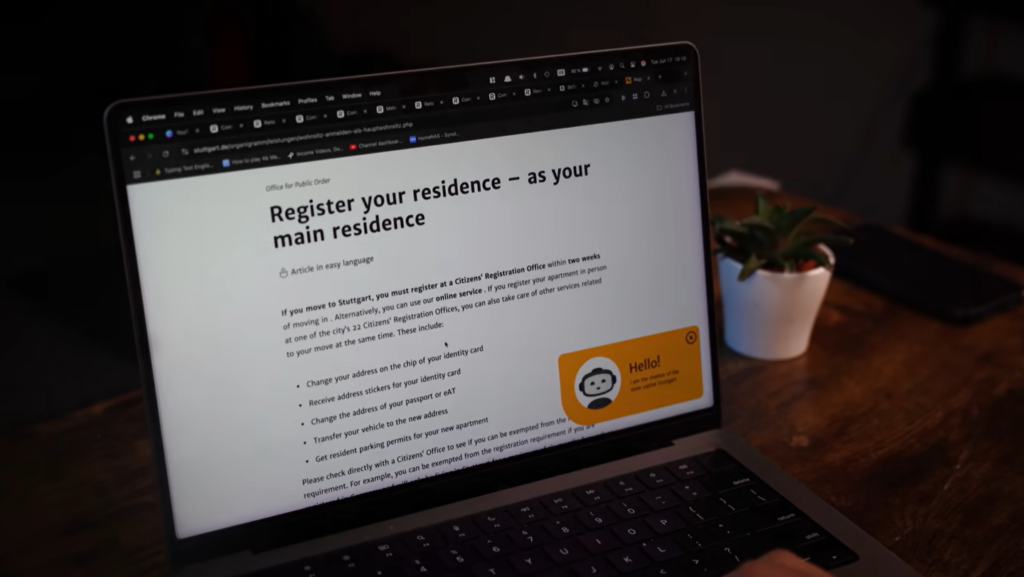
In the city where I live, people start lining up as early as 4 in the morning just to get an appointment at the foreign office. And even the simplest tasks like registering your address or exchanging your driver’s license can take ages. Immigrants feel this the most because they’re the ones who constantly need to deal with it.
And that’s where the frustration really builds up. Because bureaucracy isn’t just about filling out a few forms. If not done efficiently, it can be the real difference between building a life here or deciding to walk away from it.
Social Integration
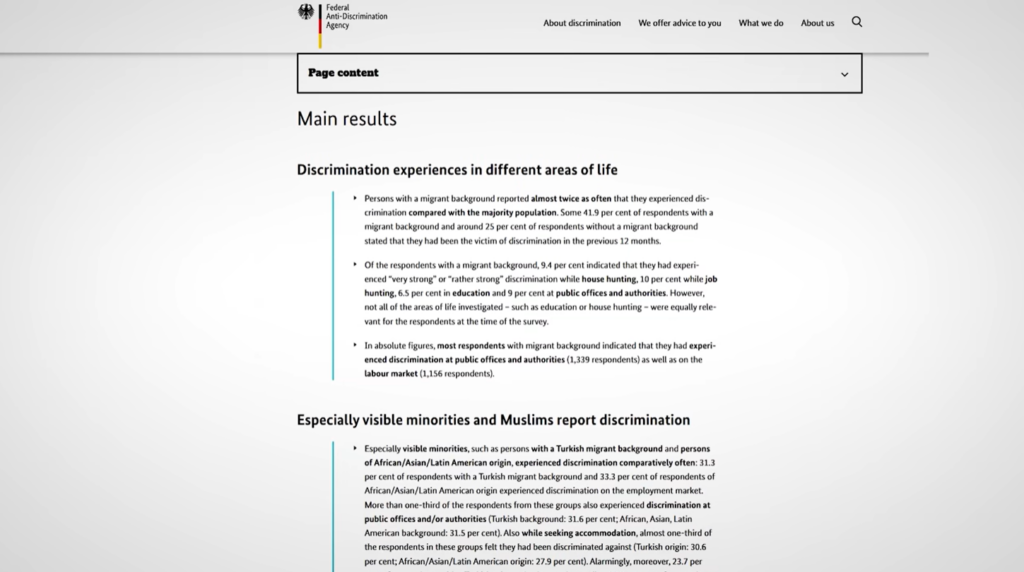
And finally, there’s an even deeper problem, something beyond money, politics, or paperwork. It’s about actually feeling welcome in German society. Studies show that almost two-thirds of immigrants face some form of discrimination in their daily lives.
In some regions, xenophobia is on the rise. And while Germany is generally safe, you still hear about cases of harassment or even violent attacks from time to time. For many people, that alone is reason enough to pack up and leave.
But even without open hostility, the feeling of isolation is very real. The language barrier is tough, and since Germans can be quite reserved, building local friendships isn’t easy. So many immigrants end up staying within their own communities.
Compare that to places like the US or the UK, where people are generally more open to diversity and it’s easier to blend in. And the less connected someone feels to the society around them, the more likely they are to leave.
What This Means for Germany
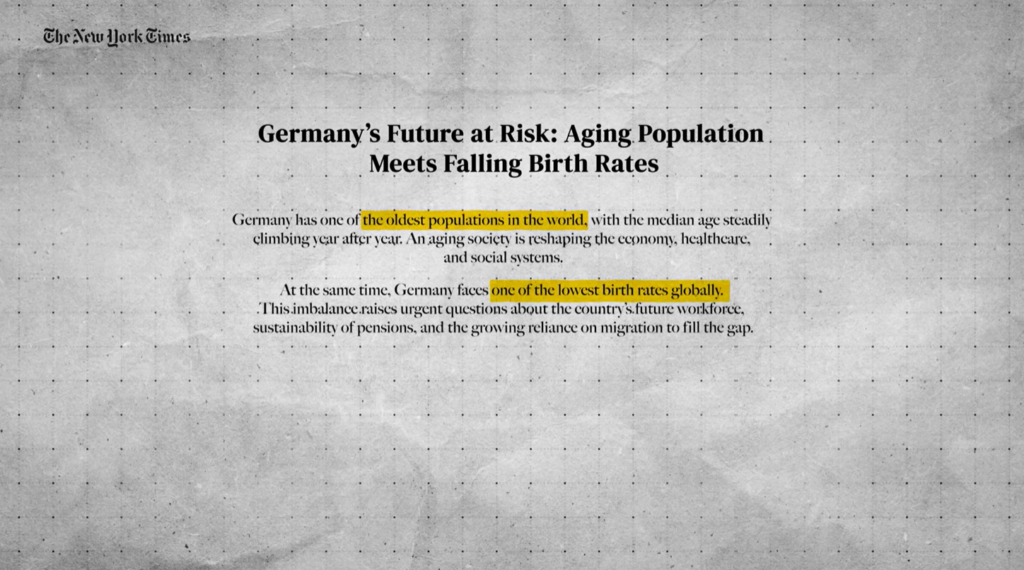
So what does all this mean for Germany? Germany has one of the oldest populations in the world and one of the lowest birth rates. So immigration isn’t just an option here; it’s a necessity.
It’s what keeps the workforce running, the economy growing, and the pension system alive. So every time a young, educated immigrant decides to leave, Germany takes a step backwards.
And this isn’t a secret. Leaders know it. Businesses know it. That’s why they keep calling for reforms, less bureaucracy, quicker recognition of foreign degrees, and even tax breaks to attract and keep talent. And yes, some promises have been made.
But here’s the truth: promises don’t make people stay. Results do. And right now, many aren’t seeing those results in their everyday lives. Until that changes, the trend is only going to continue.