

If you’ve only got time to read one blog of mine, make it this one. Because what I’m about to tell you could change the way you think about moving abroad, living in a new country, or even just traveling. And it doesn’t stop with you; what you learn here could also make life easier for those who are already living there and for anyone who comes after you. Now this is very serious and also a pretty controversial topic. And honestly, I don’t want to throw heavy words at you. So let’s do this differently; let’s step outside, take a ride, find a calm spot, and talk about it in a space that feels more open and real.
Maybe you have noticed. There’s been a growing sense of intolerance toward immigrants in many parts of the world. And yeah, in most cases it’s just racism or xenophobia, and that’s completely wrong. But let’s also be honest with ourselves; not all of it is completely baseless. A part of this frustration is coming from real, repeated incidents where people who move abroad don’t really make an effort to respect the laws and culture of the country they’ve entered. And that’s a real problem.

When I first moved to Germany, I never thought much about this. I never felt the need to change or adapt. Until one winter day, when a random incident completely changed how I looked at things.
So back in my early days here, I used to take the bus to work, and on that particular route, most of the passengers were Indians, just like me. One winter morning, the bus was jam-packed, the windows were tightly shut, and everyone was dressed in heavy winter jackets. Halfway through the ride, it hit me—the whole bus was filled with this thick, stale masala smell. It was so strong that I could barely tolerate it myself. You could see everyone around struggling just to be there. And the weirdest part? Even I smelled like that.
From that moment, I realized something. This is not okay. I have to change. And it’s not about giving up who I am or being ashamed of where I come from. It’s just about context. And once I started looking at things through that lens, suddenly, so much of it began to make sense.
Now, this isn’t about blaming anyone. I’m from India, and I live in Germany. So when I speak from my experience, at times it might sound like I’m pointing fingers at people from a specific country or culture, but that’s not the case. This applies to anyone living in a foreign country, no matter where you’re from.
This is just about awareness. About carrying yourself and your country with pride and respect. Because here’s the thing: if you act in a foreign country without understanding what’s appropriate and what’s not, you’re not just going to be misunderstood. Over time, people will start to resent you.
Let’s change that not out of fear, but out of maturity.
Mind Your Scent
Look, I know it might sound strange to even bring up my masala bus story, especially if you’re someone watching from India, but people do notice the smell. Especially in closed spaces like buses, offices, or classrooms. And trust me, it’s not pleasant. They may not say anything to your face, but it will leave an impression.
Now I’m not saying stop using masalas or change the way you cook. All I’m saying is if you’re making something strong, just keep your jackets and clothes in a separate room or drawer and air them out before you wear them outside.
The same goes for eating on public transport. You might’ve seen that viral video of an Indian girl casually eating biryani on the London metro. I’m not here to judge or tell you what’s right or wrong. The point is simple: public spaces are shared spaces, and you just need to be mindful of the people around you. That’s it.

Keep It Down
Now, the thing about smell? It applies to sound, too. The first time I landed in Germany, the silence here was killing me. Because back in India, noise is just part of life. Streets are chaotic, markets are loud, and someone’s always honking somewhere. And you just grow up with that. It becomes our normal.
But when we move abroad, especially to a place like Germany, it’s a different vibe. Public spaces are usually quiet. On trains and buses and even in restaurants, people talk softly. And it’s not just public places. In Germany, there’s this thing called “Ruhezeit,” or “quiet hours.” After 10 PM on weekdays and all day Sunday, you’re actually not allowed to make loud noises. So if you’re staying in an Airbnb or living in a local neighborhood, keep it low. No loud music, no shouting, no slamming doors. And if you’re out in public transport, keep your phone calls short, try not to speak too loudly, or just wait till you get off.
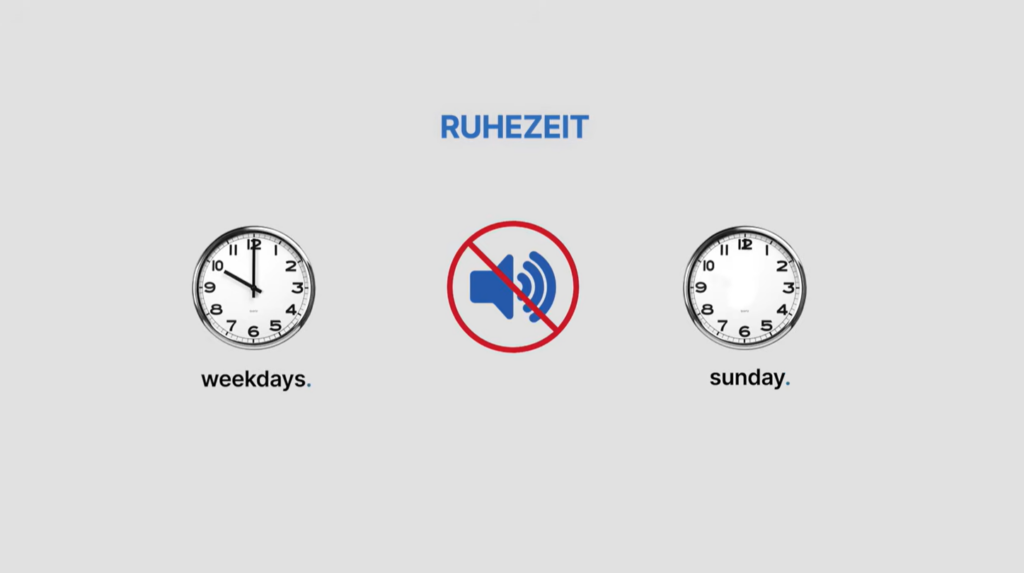
The same goes for celebrations. You have to understand one thing. Not everyone abroad will share the same excitement for a religious festival you’ve been celebrating since you were a kid. And that’s okay. You can still celebrate, but do it responsibly. Celebrate in private spaces where you are not causing a disturbance for others. Get the necessary permissions, keep the volume in check, and make sure you’re following the local rules.
Follow The Rules.

Every country has its own laws and its own way of enforcing them. And if you’re coming from a place where rules aren’t taken too seriously, you might assume it’ll be the same here too, but it’s not.
Take jaywalking, for example. In Germany, even if the street is completely empty and there’s not a single car in sight, if the pedestrian light is red, you wait. That’s it. And when it comes to driving? Things like wrong parking, driving in a bike lane, or cutting through private property might be tolerated in some countries. But in a place like Germany, they won’t be seen as small mistakes. You can get fined, reported, or even lose your license.
And then there are the unwritten rules like not cutting lines. Whether you’re at a bakery, a bus stop, a train station, or a ticket counter, just wait for your turn. Cutting the queue is one of the quickest ways to annoy people, no matter where you are. Just because people don’t say anything to your face doesn’t mean they don’t notice.
So yeah, have basic civic sense and just follow the rules. Even if they feel small or unnecessary. When everyone respects the rules, there’s order, there’s safety, and things just work better.
Be Respectful
In some countries, it’s sadly pretty common to see people being rude to those working in the service industry. I am talking about those working as waiters, drivers, or in similar other jobs. But in many developed countries like Germany, that attitude just doesn’t work. Every job is treated with dignity. And honestly, that’s exactly how it should be.

So whether it’s the person cleaning the floor, serving your food, or driving your bus, treat them with kindness. Look them in the eye. Say hello, say please, and say thank you. Don’t point fingers or raise your voice.
Because here’s the thing: when we treat everyone with kindness and respect, the world just becomes a better place to be in.
Don’t Create Battlegrounds
I know how intense things like regional politics or old local rivalries can feel, especially if you grew up around them. Like for me, the India-Pakistan cricket rivalry was a big thing when I was a kid. But here’s the thing: when you’re living in a foreign country, that stuff needs to stay private.
Just think about it like this: imagine someone from another part of your own country, maybe from a different state, comes to your city, and suddenly they’re holding political rallies or picking fights on the street about issues that have nothing to do with your place. How would that feel? Annoying, right?

Because like you, for most locals, these aren’t their battles, and they don’t want their streets turning into someone else’s battleground. So here’s the deal: celebrate your food, your culture, and your festivals. But don’t carry your rivalries with you. At the end of the day, part of showing respect… is knowing what to leave at the door.
I like to think that no matter where we’re born, we’re all part of one big, messy, beautiful world. But the reality? The world’s not perfect. As much as we talk about equality and human rights, deep down, a lot of people still feel more attached to “their own.” Their own language, their own skin, their own flag. And while those feelings used to stay quiet, now they’re out in the open. And more often than not, they’re turning into hate.
And in the middle of all that? What are we doing? Without even realizing it, we end up giving people more reasons to dislike us.

Now, if you’re hearing all this and thinking, “Who are you to say this?” Or, “My country and my culture are the best. I’ll go anywhere and show them how it’s done!” Then hey, all the best. Go ahead. Do what you want. I am not here to tell you how you should live. But remember, there will be consequences. Consequences for your actions. And they won’t just fall on you. They’ll also affect those who are already here, and even those who plan to come after you.
Because everything I’m talking about here is just basic civic sense and a little self-awareness. These aren’t foreign concepts. These are things we should already be practicing irrespective of whether we are in a foreign country or our own. Because showing respect and being considerate to other human beings? It’s not a weakness. Its strength. And maybe…it’s time we start seeing it that way.