

Germany is one of the most expensive countries to live in. But according to the German government, if you’re coming in on a student visa, you technically only need around 992 euros a month to survive here. On an opportunity card, it’s a bit higher, around 1027 euros.
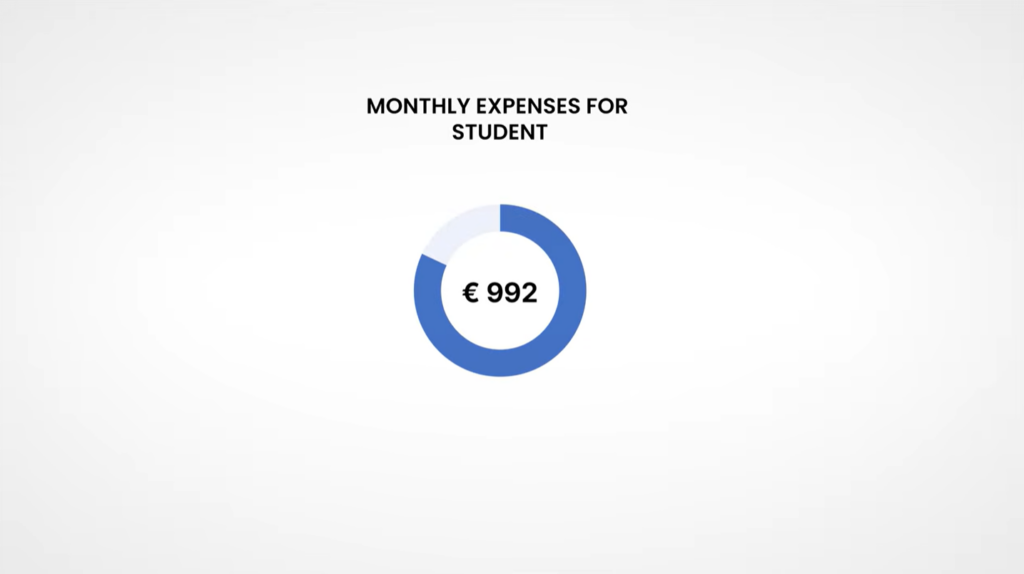
That’s the official number they use when calculating how much you need in your blocked account. But 1000 euros a month is still a lot, especially if you’re arriving without an income. So I had this crazy thought: What if you could survive in Germany on way less than that, around 500 euros? It’s not easy. But with the right mindset and a few smart hacks, it might actually be doable. Let’s see how far we can stretch that euro.
Affordable City
The biggest factor that decides whether you spend 500 euros or 5000 euros a month is where you live.
So here’s rule number one: avoid the big cities. I know, they sound exciting; there’s always stuff happening. But, in cities like Munich or Frankfurt, rent alone can wipe out that entire budget. Just rent. Nothing else. So instead, look into smaller cities or towns, especially in eastern or central Germany. They’re just way more affordable.
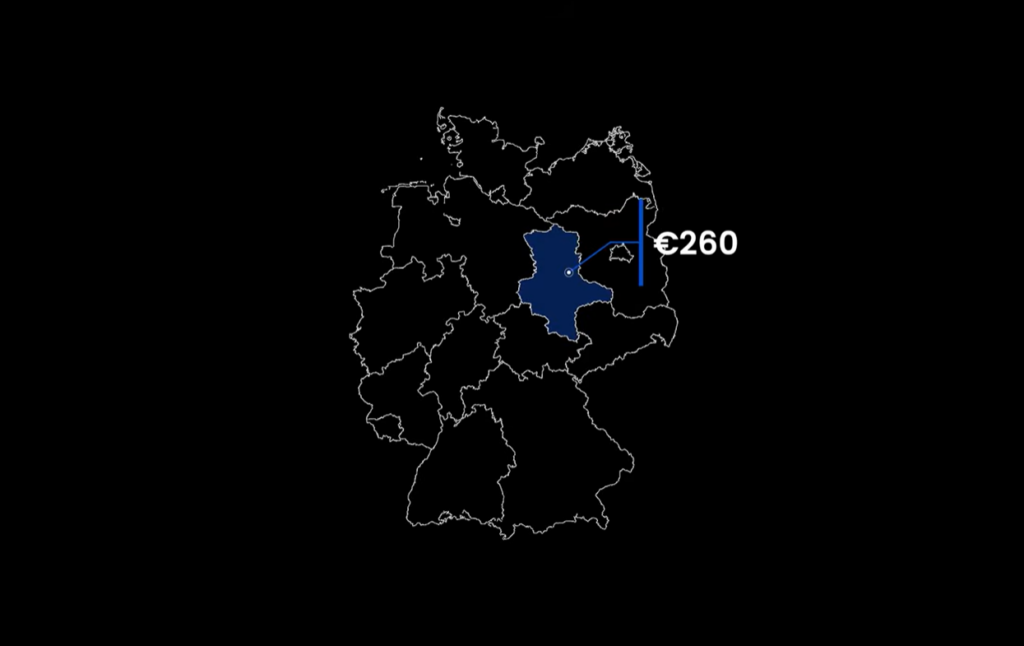
Let me give you a few real numbers. In Magdeburg, you can get a shared room for around €250. In Halle, it’s about €260. Erfurt is roughly €300. Paderborn around €305. Even Leipzig, which is still a proper city, has rooms for about €320. Now compare that to Munich, where you have to pay €650 for the same thing. So just by picking the right city, you’re already saving hundreds.
And it’s not just rent. Groceries, entertainment, transport everything is usually cheaper in smaller towns.
Now I know most jobs are in the big cities. But here’s the thing: you don’t need to live there to apply for a job. You can travel for interviews. A few hours on a train is still way cheaper than paying crazy rent every month. And if you do have to be in a big city, then look at the outskirts or nearby towns.
Rent
Rent is going to be your biggest monthly expense. So the first goal? Keep it low. Ideally somewhere between €200 to €300 a month. If you’ve already picked an affordable city, then you’re already halfway there.
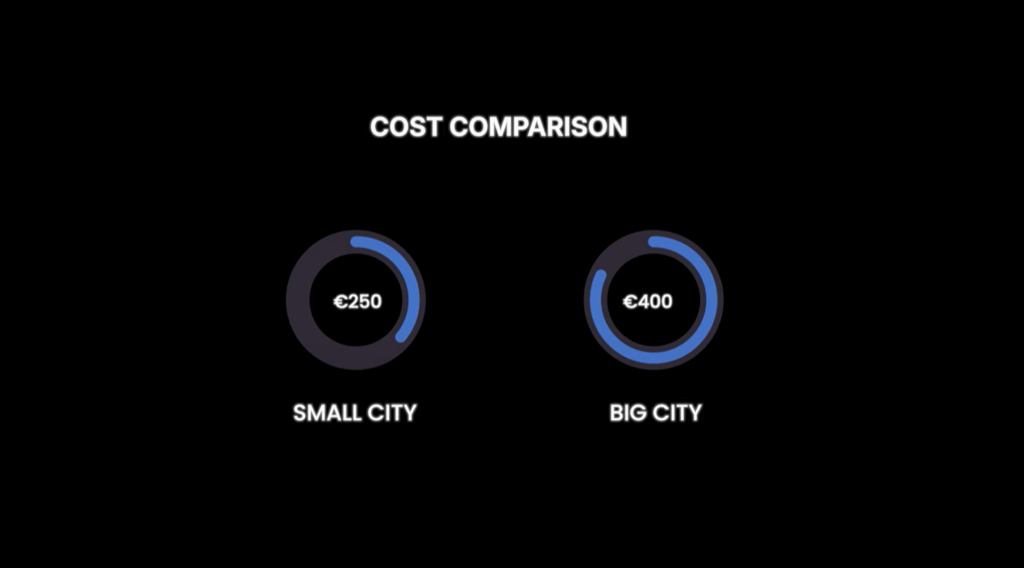
Now, if you’re a student, the best and cheapest option is a student dorm. In smaller cities, you can get a room for around €200 to €250. Even in the bigger cities, it’s usually still under €400. And that often includes water, heating, and sometimes even internet.
The only problem? Everyone wants one. Demand is super high, and spots are limited. So apply as early as possible.
But what if you’re not a student? Then your best option is something called a WG, short for Wohngemeinschaft, which just means a shared flat. It’s super common in Germany. You rent one room and share the kitchen, bathroom, and living area with a few others.
In smaller towns, you can easily find WG rooms for around €250 to €300. And most of the time, that includes utilities too.
So sharing is not just caring; it’s also saving.
Utilities
Rent is just one part; there are still a few extras you’ll need to cover by yourself. Internet, electricity, and your phone bill.
If you’re in a dorm, the Internet is often already included. But in a shared flat, you can expect to pay around €5 to €10 a month per person. Not bad.
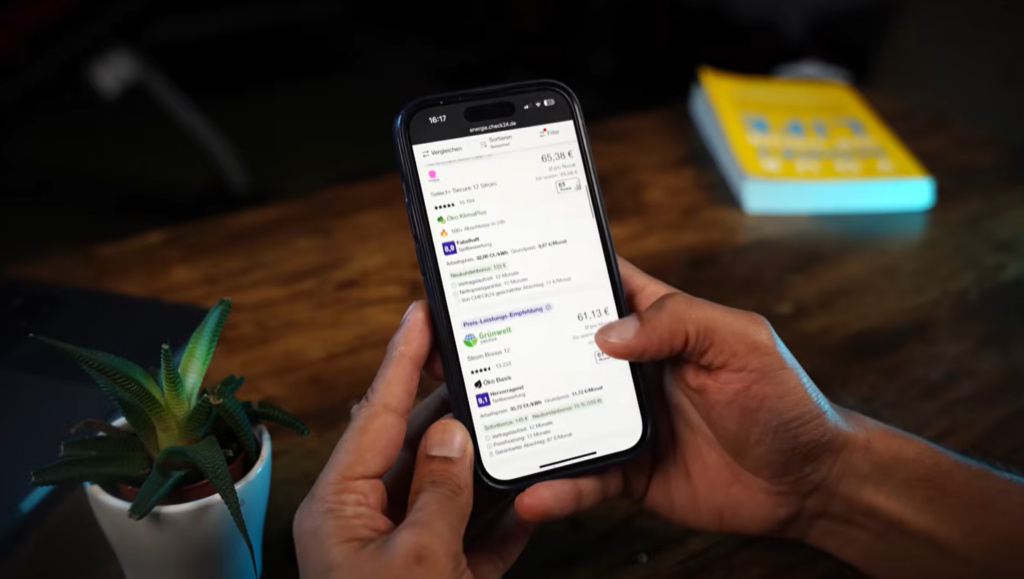
Electricity mostly depends on your usage and how many people you’re living with. But if you’re in a WG, you can budget around €20 a month. But always check websites like Check24.de and find the cheapest provider. And when your contract ends, do the same thing and switch again to the cheapest provider at that time.
Now let’s talk about your phone. You can get a prepaid SIM card from Aldi, Lidl, or Lebara for as low as €5 to €10 a month. And if you can make use of free Wi-Fi in places like cafes, libraries, and trains, you won’t even need that much data.
A utility cost that is specific to Germany and is often overlooked is the Rundfunkbeitrag. This is Germany’s public broadcasting fee of around €18 a month. Even if you don’t have a TV or never watch German news, it’s mandatory to pay for it. But the good part? It’s per household. So in a shared flat, you can split it with others.
So, if you’re smart about your choices, you can keep your utilities and phone costs around €35 a month.
Groceries
Let’s talk about groceries in Germany. The good news? They’re actually pretty affordable compared to a lot of other European countries. You can comfortably manage on around €150 to €200 a month. And if you’re really strict, even €120 is doable.
The key is where you shop. Stick to budget supermarkets like Aldi, Lidl, Penny, and Netto. You can find them everywhere. And always go for the store’s own-brand products. It’s usually the exact same thing, just in different packaging and way cheaper.
Also, don’t ignore supermarket apps. Most of them have weekly offers and surprise discounts and can save you a few extra euros every time.
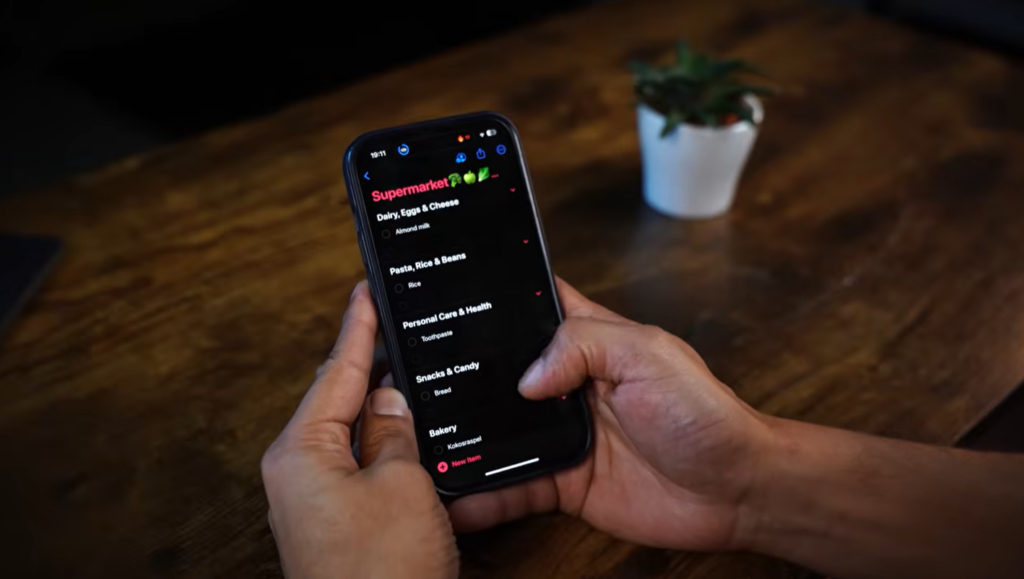
And just a general tip: never go grocery shopping without a list. You’ll just end up tossing random stuff in your basket that you don’t actually need. So yeah, be smart with your shopping.
Transportation
Let’s talk about getting around in Germany. If you’re living in a big city, public transport is everywhere: buses, trams, subways, S-Bahns, you name it. And honestly, it works really well.
If you’re a student, you might get lucky with a semester ticket. It usually gives you unlimited travel in your city or region for a pretty low price. But even if you’re not a student, there’s still a great option: the Deutschlandticket.
For €63 a month, you get unlimited access to all regional public transport across Germany.
But, if you’re job hunting or trying to stretch every euro, there’s a cheaper option: walking or cycling. Almost every German city is bike-friendly. And you can easily find a decent used bike for around €50. After that, it’s free transport every single day.
So with a little planning, walking more, and biking when you can, you can literally bring your transport costs down to zero.
Entertainment
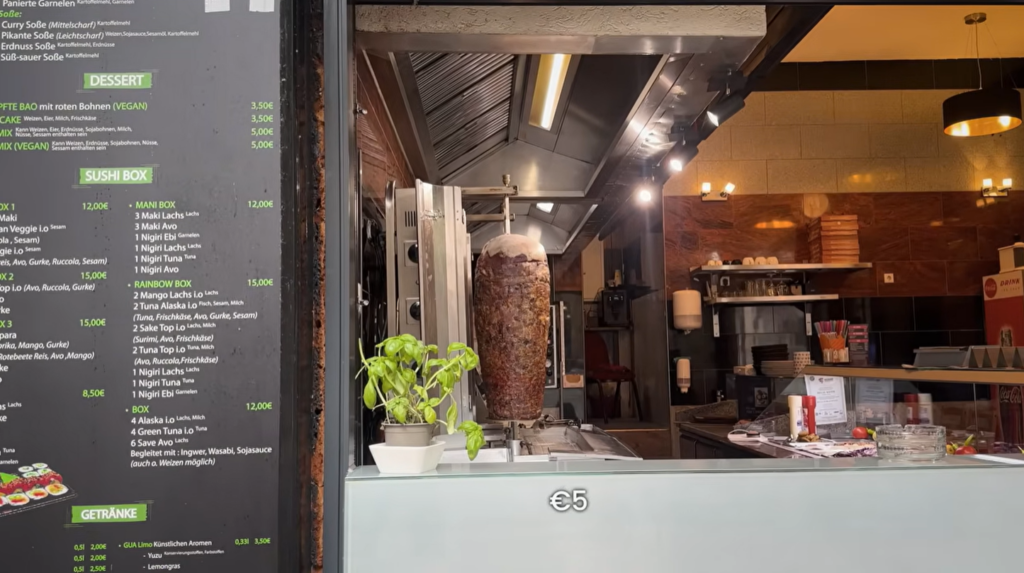
Now, if you’re trying to stick to a €500/month budget, this is where things start to feel a bit tight. A doner kebab can cost anywhere from around €5. A single meal at a restaurant can set you back €10 to €15. Do that a few times, and your budget’s gone. So yeah you’ve got to cook most of your meals.
The same goes for movies. A regular cinema ticket costs around €10. Not crazy expensive but not something you can afford to do regularly on this budget. A better option? Streaming. Netflix and Spotify are great if you split the cost with friends.
Now, what about fitness? Gyms in Germany usually charge between €20 to €50 a month. But here’s the thing: you don’t need a gym. Instead, join a Sportverein or local sports club. They cost just €5 to €10 a month, and you get access to sports and activities, and it’s also a great way to meet people.
And for everything else, just go outside. Seriously. Germany is full of parks, walking paths, and hiking trails. Take a walk, explore, or chill with friends at a lake. None of that costs a cent.
So yeah, entertainment in Germany doesn’t have to be expensive. Even with just €20 a month, you can still enjoy life, have fun, and treat yourself every now and then.
Other expenses
There are still a few more things you’ll need to spend on—clothes, furniture, and some everyday essentials.
For clothes, stick to the big budget-friendly stores like C&A or Primark. You can find decent shirts for less than €10 or jeans for around €20. If you’re looking for shoes, Deichmann or Foot Locker are good choices.

But if you really want to stretch your money, flea markets are your best friend. You can find some surprisingly good stuff for super cheap prices or even free. You just need to know when and where they’re happening.
And don’t forget about online options like eBay Kleinanzeigen or local Facebook groups. People give away all kinds of things couches, chairs, shelves, kitchen stuff, sometimes even brand-new things they never used.
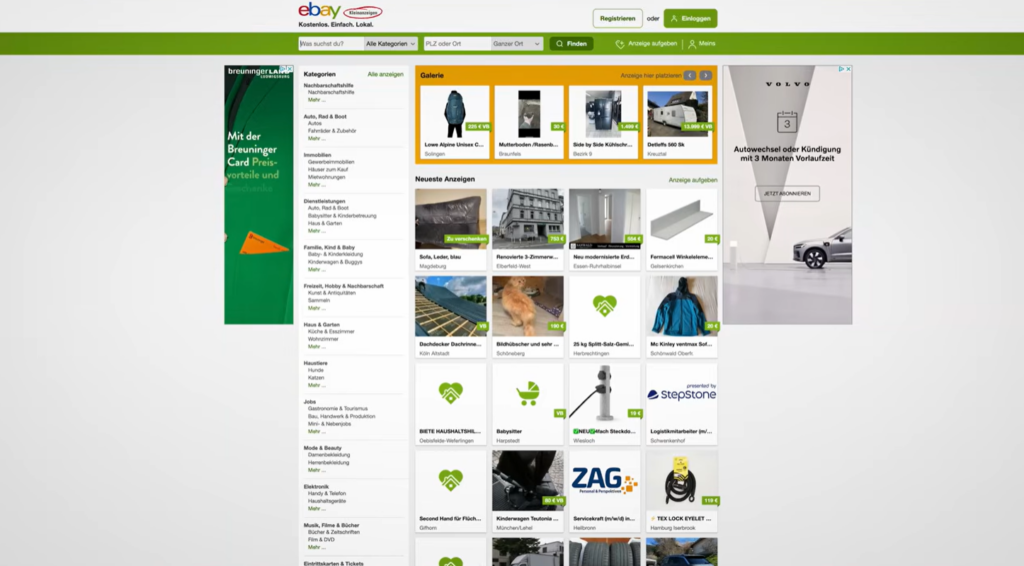
Just one tip… Don’t take mattresses you find on the street. No matter how clean they look. Trust me, it’s not worth the risk.
Also, when you open a bank account, go for online banks like N26 or Revolut. They’re easy to set up and usually have zero fees.
Insurances
Now there’s one expense I am not including here—and that’s health insurance.

And there are two reasons I left it out. First, if I include it, I can’t really call this “Is it possible to live on under €500 a month in Germany?” And second and more importantly, how much you pay depends a lot on your age and how much you earn
If you’re a student under 30, you’ll pay somewhere between €110 and €150 a month. But if you’re not employed yet say, you’re here with an opportunity card then it can cost anywhere from €200 to even €500 a month, depending on which provider you choose.
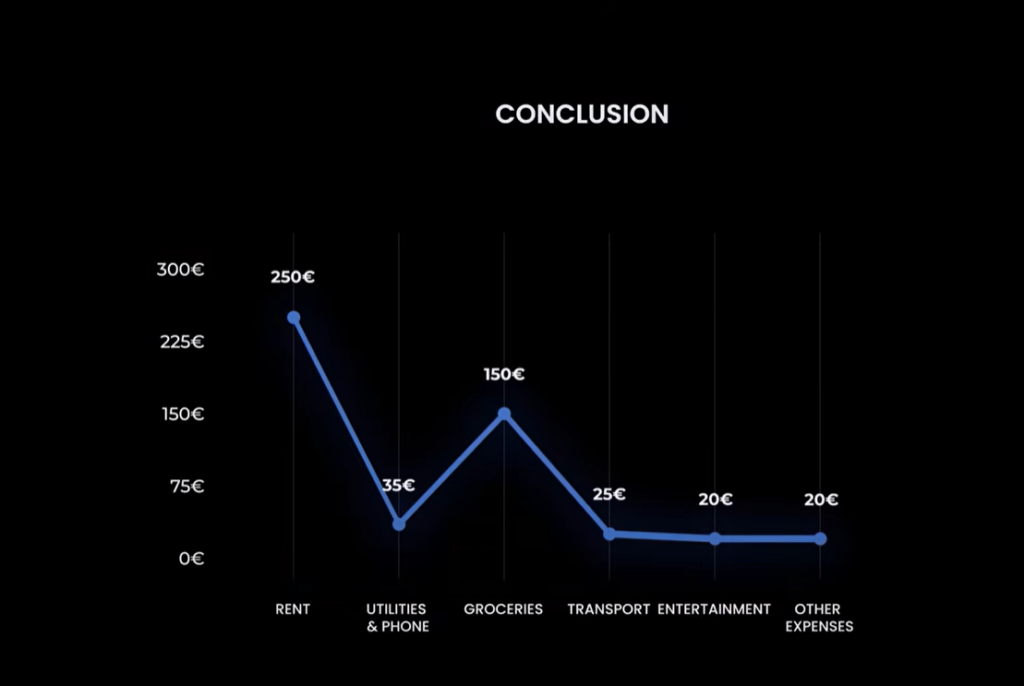
So yeah, based on everything we’ve talked about, here’s where we land:
Rent – Around €250
Utilities & Phone – Around €35
Groceries – Around €150
Transport – Around €25
Entertainment – Around €20
Other Expenses – Around €20
Total? About €500. And if you also add health insurance, then another 150 – 200€.
Now, I know I’ve gone a bit strict with this breakdown, but this was just to give you an idea of what’s possible. Your actual expenses might be a few hundred euros higher or lower, depending on your lifestyle, your city, or whether you’re working or studying.
But the point is, when you’re on a budget, being intentional with where your money goes can make a huge difference. It’s not always about cutting everything out. It’s about knowing what truly matters and spending smarter.