
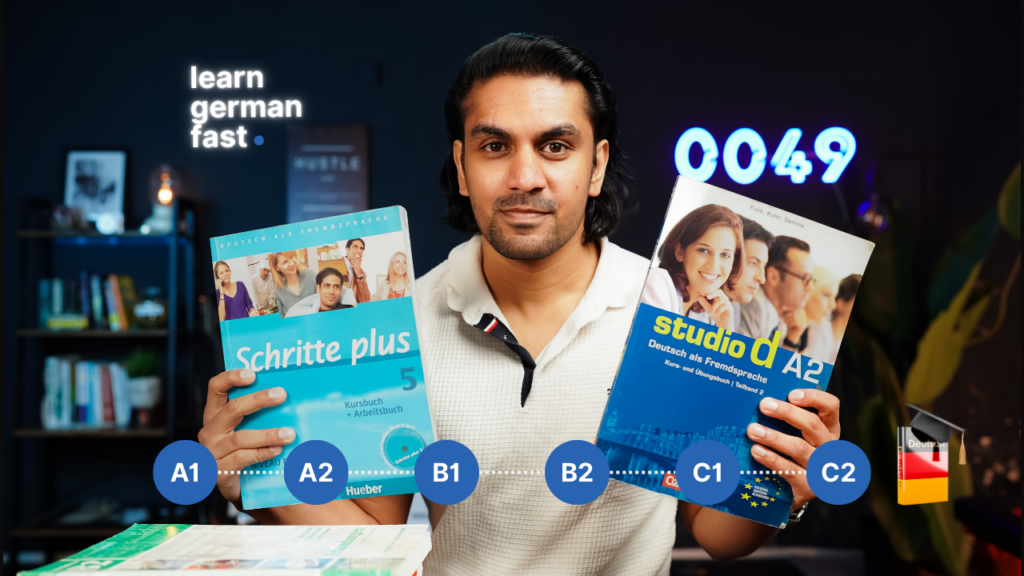
Intro
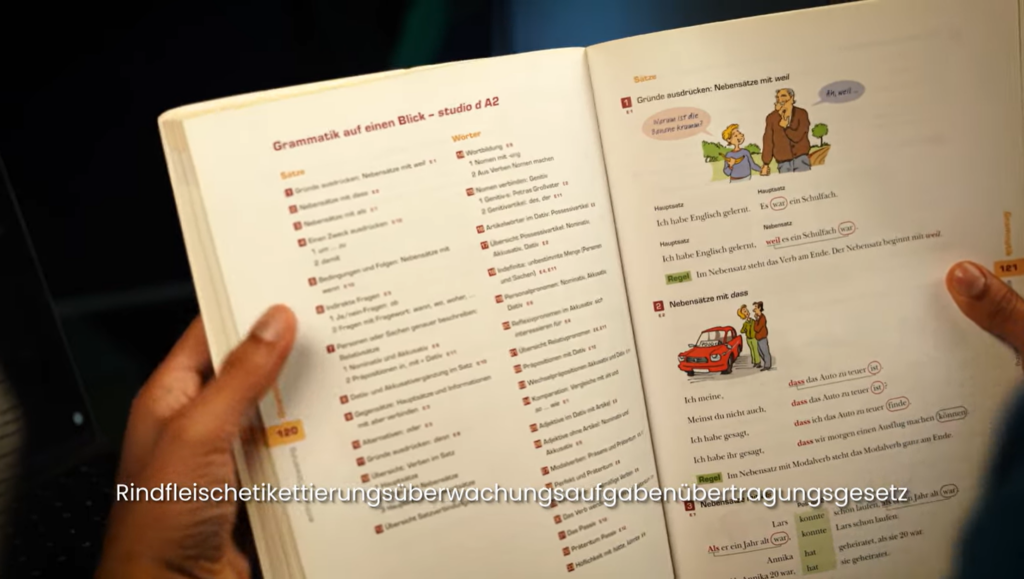
German is one of the most difficult languages out there to learn. With all that complex grammar and those ridiculously long words like Rindfleischetikettierungsüberwachungsaufgabenübertragungsgesetz (yup, that’s a real word), learning German can feel like a mountain to climb.
And the first thought most people have is this is going to take years.
But here’s the thing: if you’re smart about it, it’ll only take a few months. Now, I’m not saying I found some magic formula.
I didn’t. What I’m about to share are real, practical tips that work. And if you use them the right way, you can make progress way faster than you think. So let’s get started.
1. Set a Goal
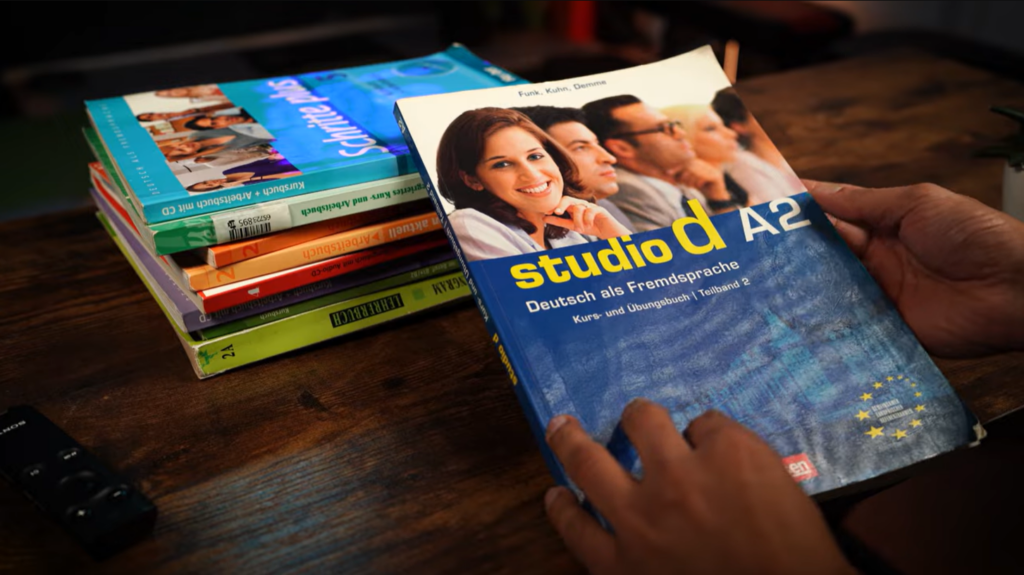
Before you run to get that A1 textbook, there’s something more important you need to do first: set clear, achievable goals. Think about why you’re learning German, what you want to achieve, and how soon you want to get there.
A student preparing for an exam should have a totally different approach than someone just visiting Germany for a short business trip. Your timeline will shape how fast and how intensely you need to learn.
When I started learning German, my goal was simple: be able to have basic conversations in three months. Then, get to the intermediate level, or B1, within a year. Clarity like this can help you stay focused and not get distracted by stuff that doesn’t matter.
So now that you’ve written down your goals, let’s talk about how to actually make them happen.
2. Learning Methods
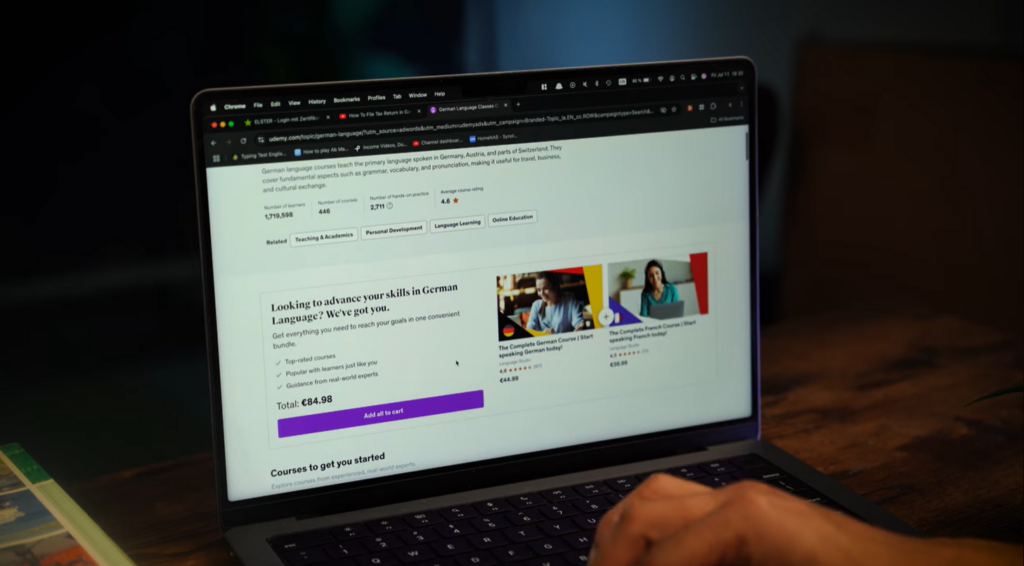
The best way to learn any language is to take a language course, and German is no different. You get real-time feedback, someone to correct your mistakes, and a proper structure to follow. And if your budget allows, go for a private tutor.
That works even better. But online courses work too as long as they get you speaking and not just clicking through grammar exercises. Whichever method you choose, don’t take long breaks in the middle of your course. Even missing a few days, like on a short trip, can mess up your whole flow.
And when it comes to learning, use scientifically proven methods like spaced repetition and active recall.
These techniques help you review information at just the right intervals before you forget it so it sticks in your long-term memory.
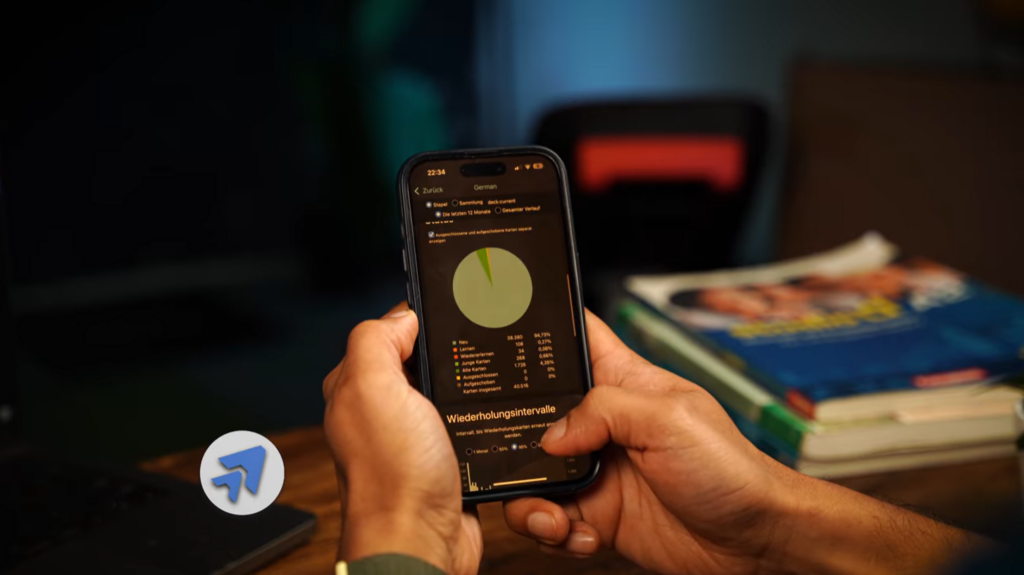
And one of the easiest and best ways to apply these techniques is flashcards. I know it sounds old school. But they work. With apps like Anki, you can create your own flashcards or even download pre-made ones.
Also make use of language learning apps like Duolingo, Babbel, and Lingoda. Just mix it up until you find what works best for you.
And be consistent with your learning schedule. Learning a language is a marathon. Not a sprint. Even 15 minutes a day is better than going hard for a week and then burning out.
3. Master the Basics
When it comes to learning German, you’re really working on four main skills: Lesen (Reading), Hören (Listening), Sprechen (Speaking), and Schreiben (Writing).
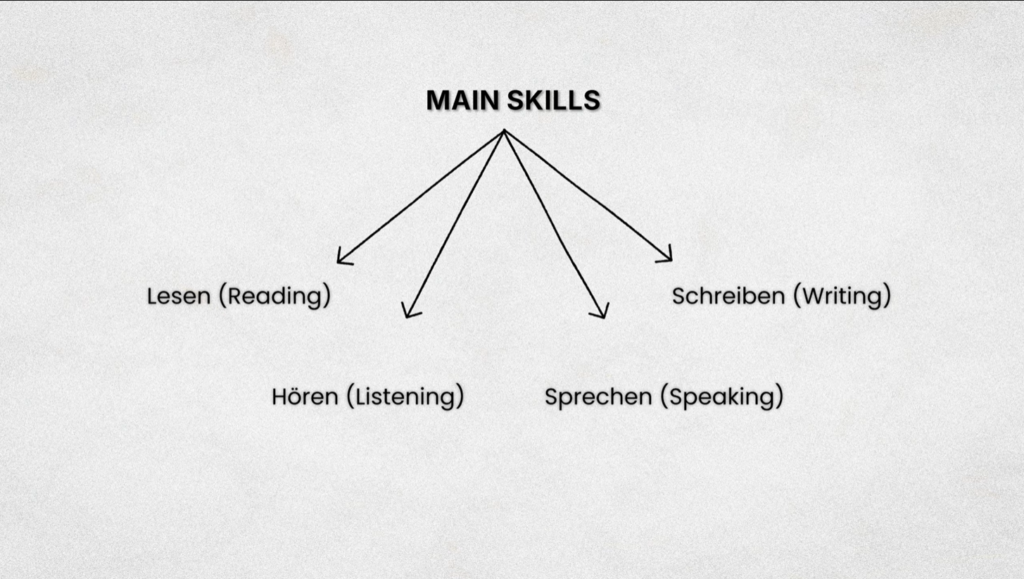
Now depending on why you’re learning German, you might focus more on one of these. Like, if you’re planning to move to Germany soon, speaking will probably be your top priority.
But whatever your goal is, there’s one thing you really shouldn’t skip: the basics, especially grammar.
Most people find grammar boring and difficult. But the good thing about the German language is that, even though grammar has lots of rules, it has very few exceptions.
So once you understand the common patterns, everything will start to make sense.

So take your time with the basics. Learn how German sentences are structured. Understand where the verb goes, especially in questions and subordinate clauses.
And make sure you get a good grip on the four cases: nominative, accusative, dative, and genitive. It sounds complicated at first, but it’s just a way of showing who’s doing what in a sentence.
When it comes to German grammar, modal verbs are your friends. There are six:
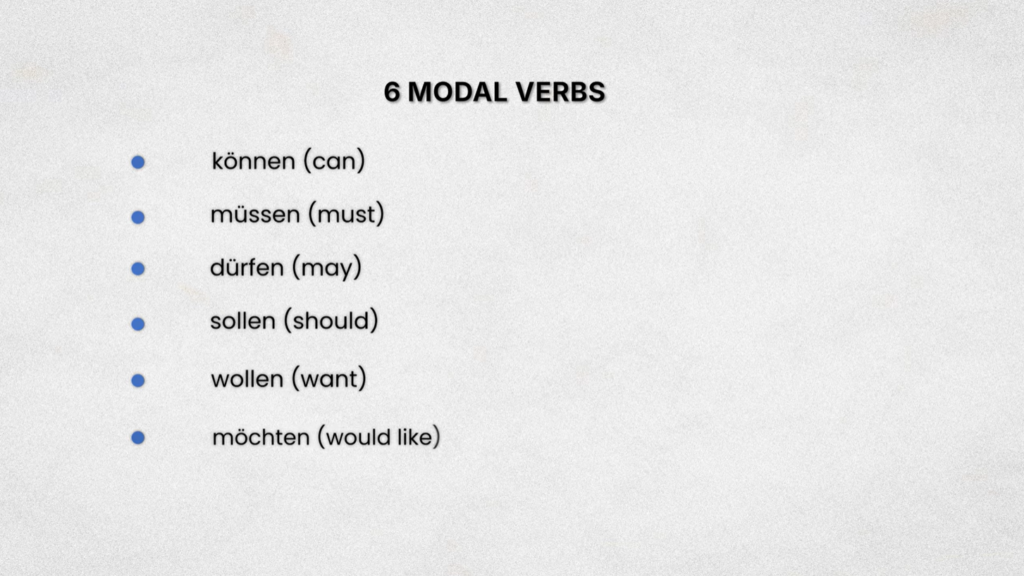
- können (can)
- müssen (must)
- dürfen (may)
- sollen (should)
- wollen (want)
- möchten (would like)
When you use them, the main verb just chills at the end of the sentence in its basic form. For example:
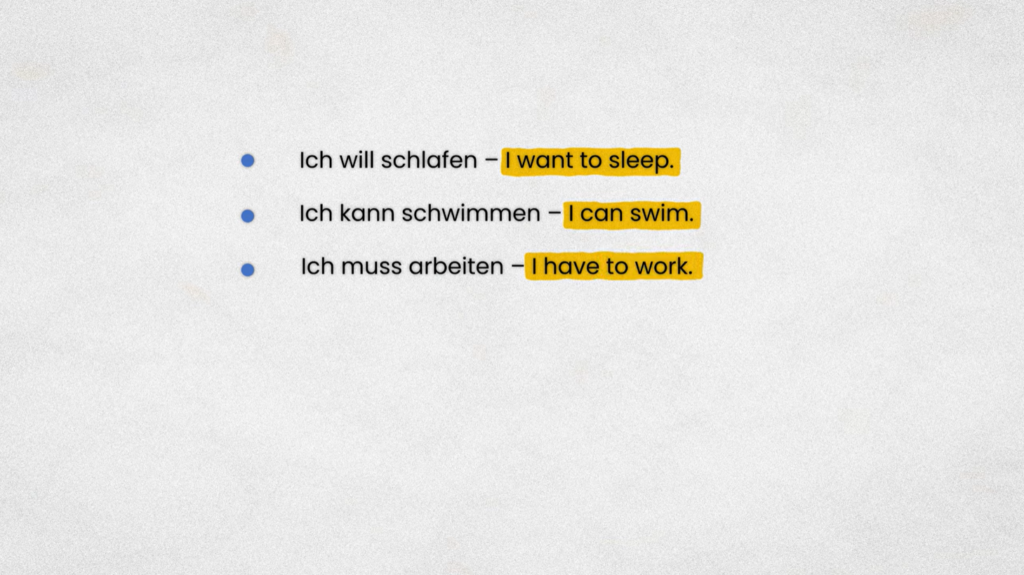
Ich will schlafen—I want to sleep.
Ich kann schwimmen—I can swim.
Ich muss arbeiten—I have to work.
You don’t have to worry about any crazy verb conjugations. And since the main verb comes at the end, you actually get enough time to think and figure out which verb to use after you’ve started the sentence.
That one trick alone can make speaking German feel so much simpler in the early stages.
4. Learn Common German Vocabulary.
When you’re learning a new language, something becomes clear really fast—you need words. To get to C2-level proficiency, you typically need to know 10,000 words or more.
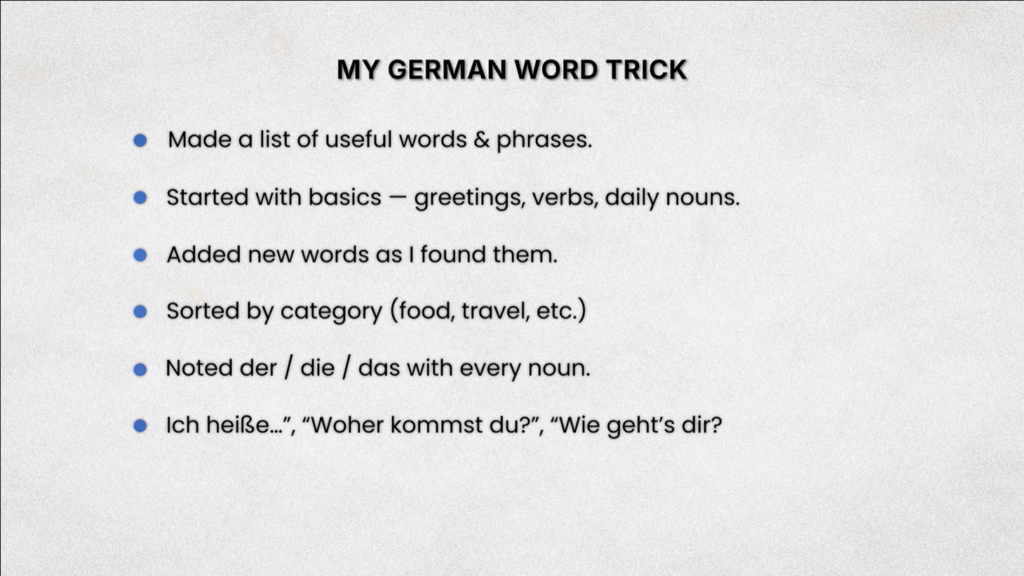
But to get started you don’t need much. In fact, the top 1,000 most common German words cover around 80% of what you’ll use in daily conversations. So here’s what I did to learn German vocabulary: I kept a running list of useful words and phrases. Started with the basic greetings, common verbs, and everyday nouns.
Anytime I came across a word or phrase that felt useful, I added it to my list. And to stay organized, I classified them into categories: food, travel, emotions, tech, and whatever made sense. And for every noun, I made sure to write down the article der, die, or das right next to it.
I also started collecting simple phrases like “Ich heiße…,” “Woher kommst du?,” and “Wie geht’s dir?” the ones that come up all the time. Because the sooner you start forming sentences, even super basic ones, the faster your brain starts making connections.
If you want a head start, I’ve put together a complete beginner guide with a list of the most common German words and phrases; you can download it from the link in the description below.
5. Immerse yourself in German.
You can learn German faster if you surround yourself with the language. No, I’m not saying you need to pack your bags and move to Germany right away. You can make German part of your daily life wherever you are.
You can watch German YouTube channels and listen to podcasts. Channels like DW News and Easy German are great for beginners. And yeah, in the beginning, you might not understand a thing. But that’s okay.
The idea is not to translate every word, just to let the sound of the language sink in.
You can also check out children’s books in German. They use simple language, clear stories, and lots of pictures to help you figure things out.
Then move on to TV shows and movies in German. Start with English subtitles, then switch to German subtitles, and eventually turn them off completely.
Another thing that can help is to change the language on your phone and computer to German for a while. I know it’ll be confusing at first. But you can pick up a ton of everyday vocabulary just from that.
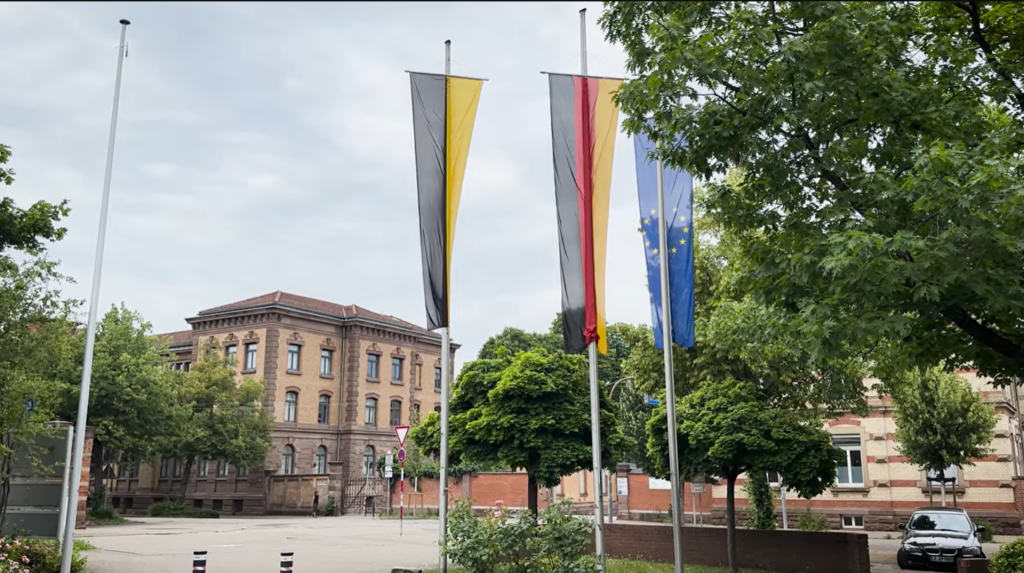
And finally, if you ever get the chance to travel to Germany, even for a short trip, do it. There’s nothing like being surrounded by the language.
You’ll order food, ask for directions, read signs… and yes, you’ll make mistakes. But that’s how you grow.
So however you do it watch, listen, speak, read just make sure German shows up in your life every single day. The more your brain hears it, sees it, and uses it… the faster it all starts to click.
6. Talk and Talk More
If there’s one rule I’d really want you to follow, it’s this: “Speak from day one.”
Don’t wait until you feel ready to start speaking because that moment never really comes. It’s like saying you’ll start going to the gym once you’re already fit. That’s not how it works.
The real learning happens in the conversations you have. Especially with native speakers or even with people who are learning just like you.
When I was doing my German language course with my friends, we made a rule to speak only in German during our lunch breaks. We did make a lot of mistakes, but it was fun, and it helped a lot.
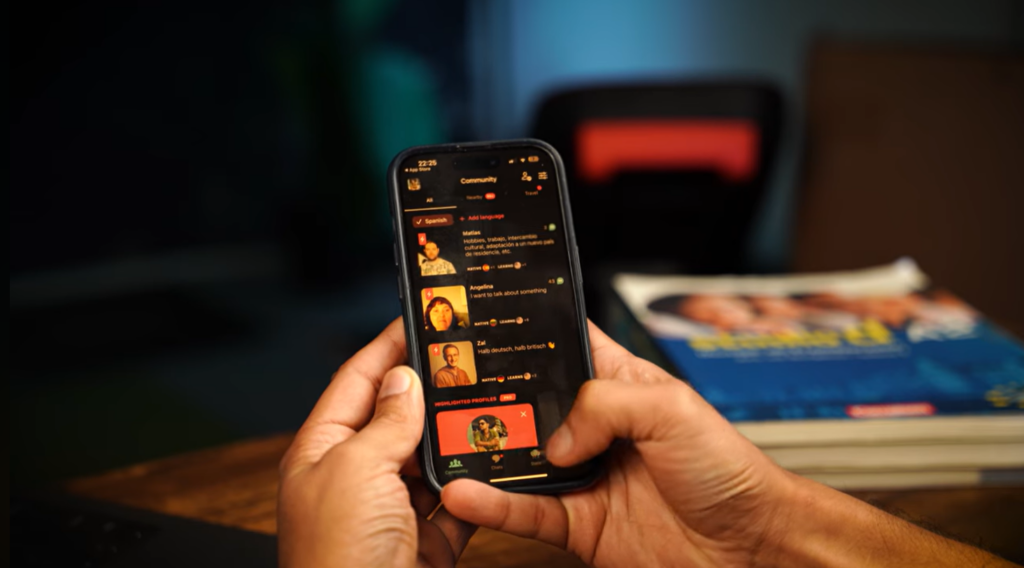
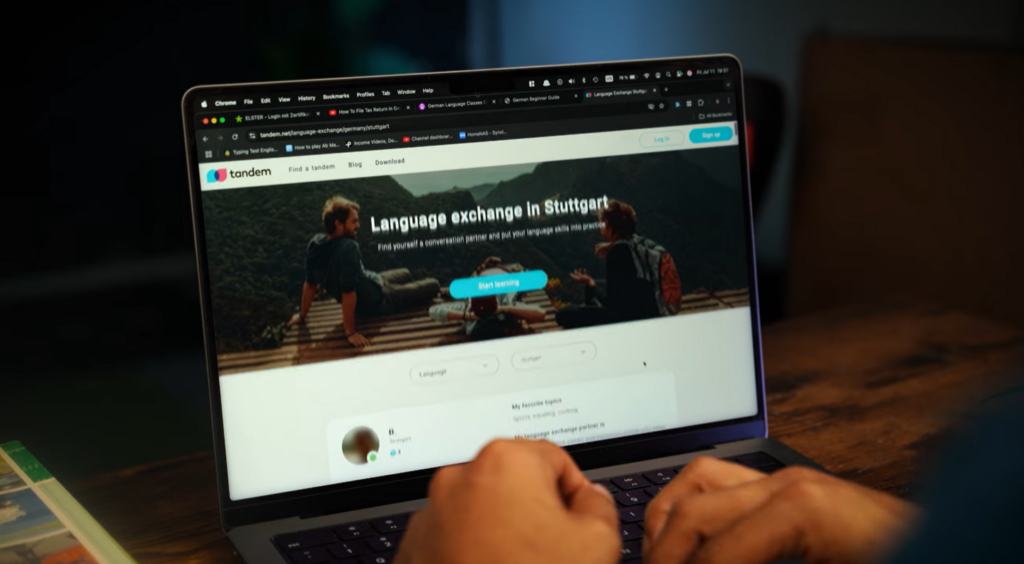
If you can’t find anyone to talk to in your friend circle, use apps like Tandem and HelloTalk to connect with people. You just create a profile, say you’re learning German, and boom, you’re matched with people who want to practice too.
And if you’re more into face-to-face conversations, look for local language exchange meetups. Most cities have them, usually in cafés, bars, or cultural centers.
You’ll find a mix of learners and native speakers just hanging out, chatting, and helping each other.
And yeah, I get it. It’s scary. You feel like you’ll mess up. You’re afraid of sounding silly or getting things wrong. But here’s the thing: everyone feels that way at first.
And everyone makes mistakes. That’s literally how you get better. So talk. Listen. Mess up. Try again. That’s the process.
The more you speak, the faster it all starts to click.
7. Ask for help
And please ask questions. If someone says something you don’t understand, or you’re stuck on how to respond, just ask. Seriously, there’s no shame in it. Most people are more than happy to explain, especially if they know you’re learning.
And those little moments where you stop, ask, and get it clarified that’s where the real learning happens. In fact, asking right then and there helps it stick way better than Googling it later at home.
Summary
There’s no one perfect way to learn German. And fluency? It doesn’t happen overnight. Consistency is key. Even just 30 minutes a day can take you way further than cramming for hours once a week.
The trick is to be smart about it and keep showing up, especially on the days when it feels hard or slow. So don’t stress about being perfect. Don’t compare your pace to anyone else’s. Just stay in the game. Keep going.
And if you want some extra support, you can download the free German beginner guide from the website.
Viel Erfolg. You’ve got this.