
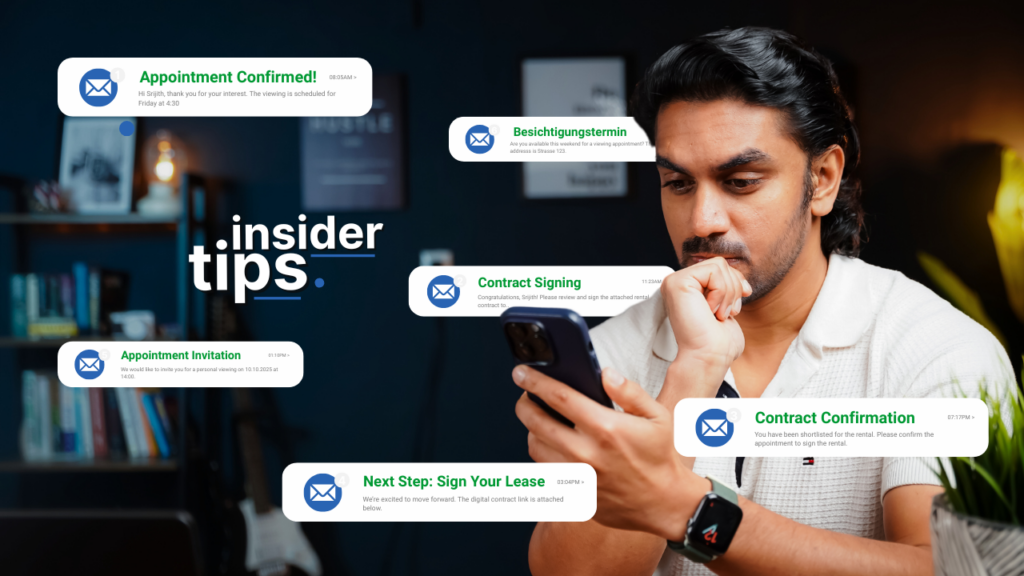
Finding an apartment in Germany can be as hard as learning the language or finding a job. In major cities, the demand is so high that you can send out hundreds of applications and not even get a single reply. I’ve moved apartments here in Germany about five times in the last 10 years, for different reasons, and trust me—it was never easy. But here’s the thing: every single time, I still managed to find a place within just a few weeks. Why? Because I didn’t just do what everyone else was doing. I used a few simple hacks that actually multiplied my chances of getting viewings and appointments. So if you don’t want your application to be ignored, if you want your application to stand out, you need to know these tricks.
Expand Your Search
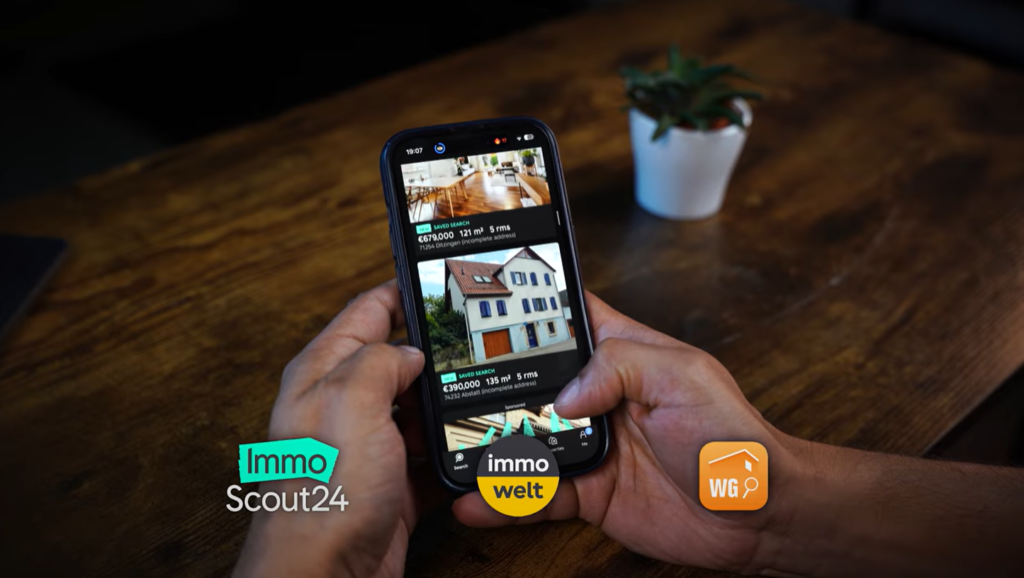
Most people start their apartment search by scrolling through the big platforms like ImmoScout24, Immowelt, or WG-Gesucht. But if you really want to boost your chances, don’t stop there. Use every source you can find. For example, even eBay Kleinanzeigen, which is mostly for second-hand stuff, often has private apartment listings.
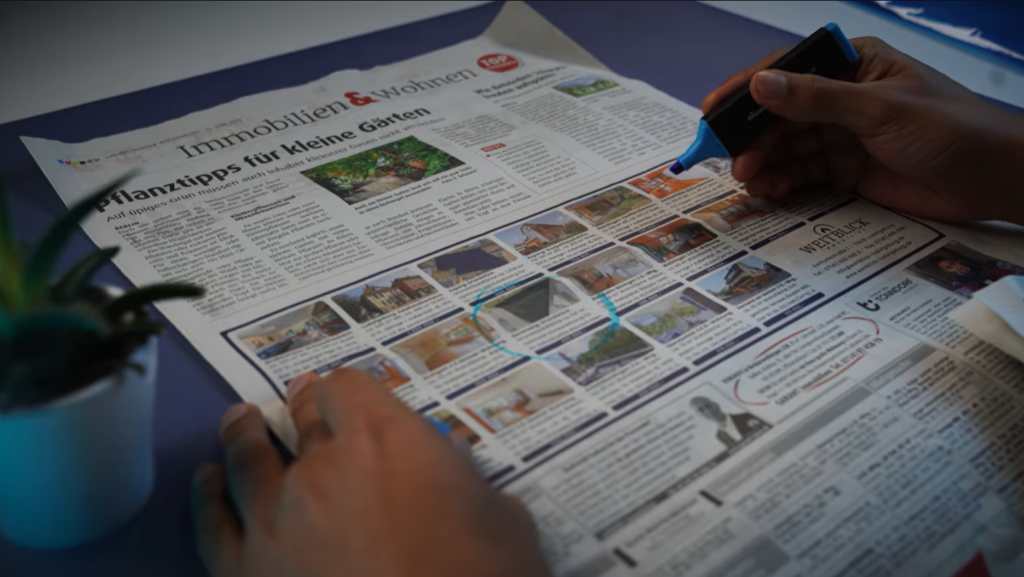
Not every landlord is online. Some still put ads in local newspapers or even on bulletin boards. And then there’s networking; this is where a lot of hidden opportunities come from. Many apartments never even make it to public listings because they’re passed around through word of mouth. So tell your friends, colleagues, and even people in your sports club or music class that you’re looking for one. You’d be surprised how often someone knows someone who’s about to move out.
And here’s the thing: referrals in Germany are powerful. If the current tenant recommends you, or if a colleague puts in a good word, you instantly move up the list. Why? Because landlords here trust personal connections.
And finally, if you’re moving for work, don’t forget to ask your employer. A lot of companies, universities, and research institutes actually keep apartments for newcomers or have direct links with landlords.
Set Your Filters
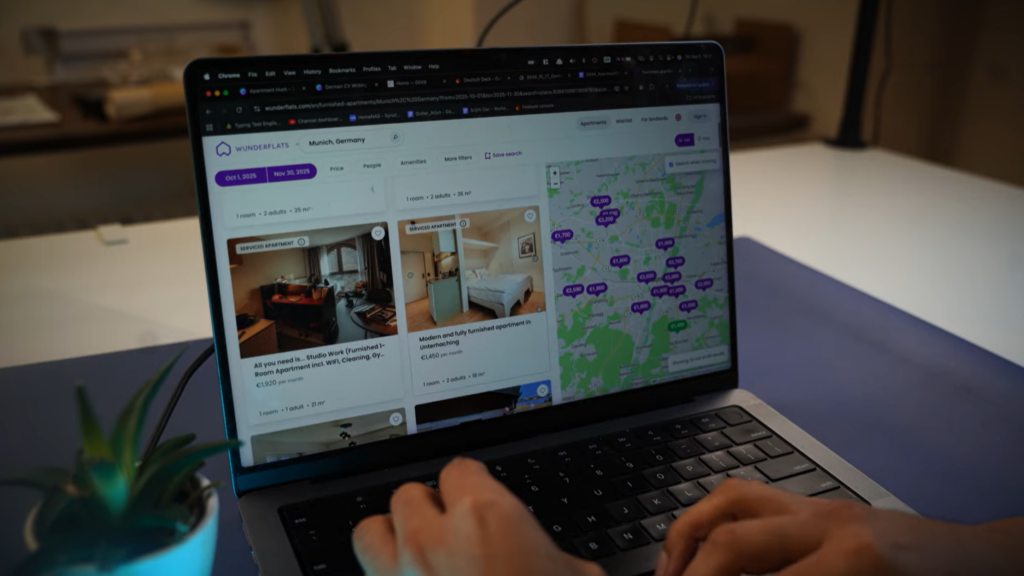
But here’s the catch: more sources also mean way more listings. And it’s easy to get lost in all that. So the key isn’t to chase every single ad you see. You need to be clear about what you actually want. Otherwise, you’ll waste time and energy on places you were never going to get in the first place.
Start with filters. Don’t waste your time looking at apartments that are way over budget or in areas you’d never want to live. Be clear on rent, size, and location right from the start. And here’s a little trick: don’t limit yourself to the trendy neighborhoods everyone’s after. If you go just 30 minutes out by public transport, you’ll often find cheaper rent, less competition, and in many cases, even better apartments.
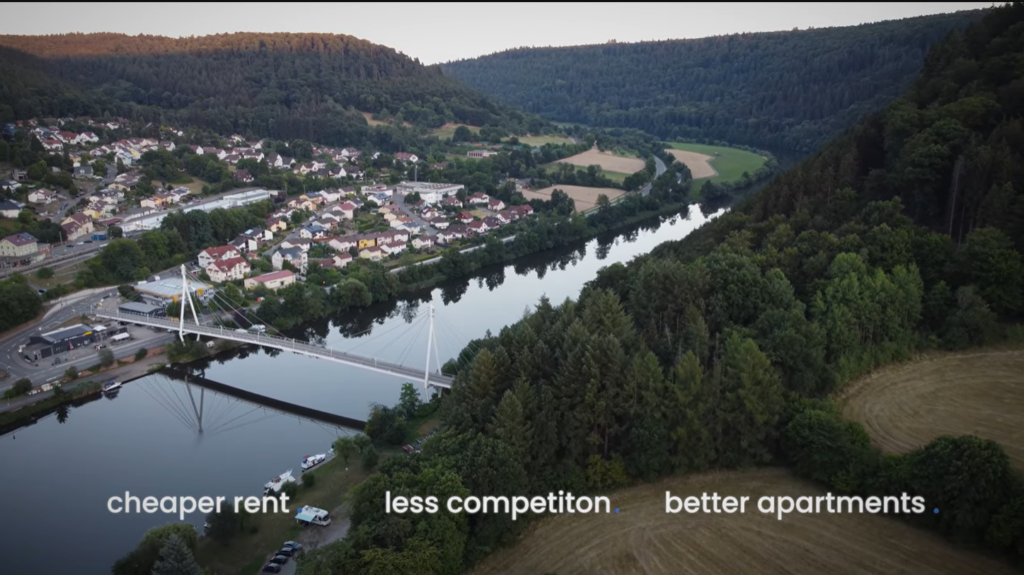
Next, set up a search profile on each platform. Don’t chase apartments; let them come to you. Turn on notifications so that new listings land in your inbox or as push alerts. That way, the second something matches your filters, you’re one of the first to see it. Timing matters more than you think. Studies show Tuesdays between 11 a.m. and 3 p.m. are prime time for new listings, so be ready then.
And finally, if the platform offers a premium account, go for it. It pushes your application higher up and gives you access to exclusive listings. Plus, having a verified profile works like a badge of trust. It shows landlords you’re reliable and serious.
Application
The moment you find a place that fits, whether it’s online, through a friend, or even in a newspaper, apply right away. Speed is everything. Apartments can disappear within hours, sometimes even minutes. It’s basically first-come, first-served.
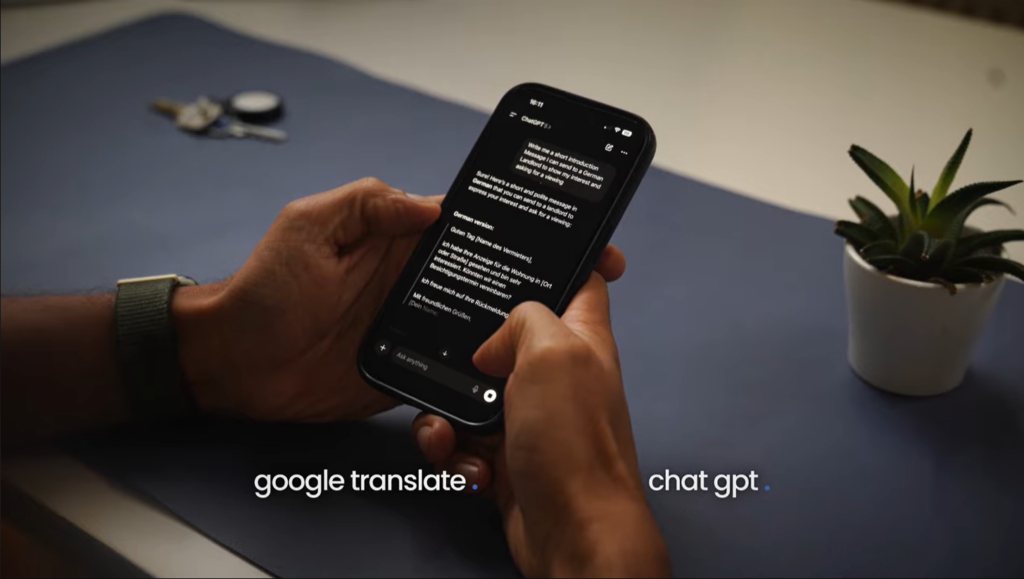
So keep a short, polite message ready. Something simple like “Hi, I’m interested. My name is I work/study, and I’d be happy to attend a viewing at your convenience.” Nothing fancy, just clear enough to show you’re interested and serious.
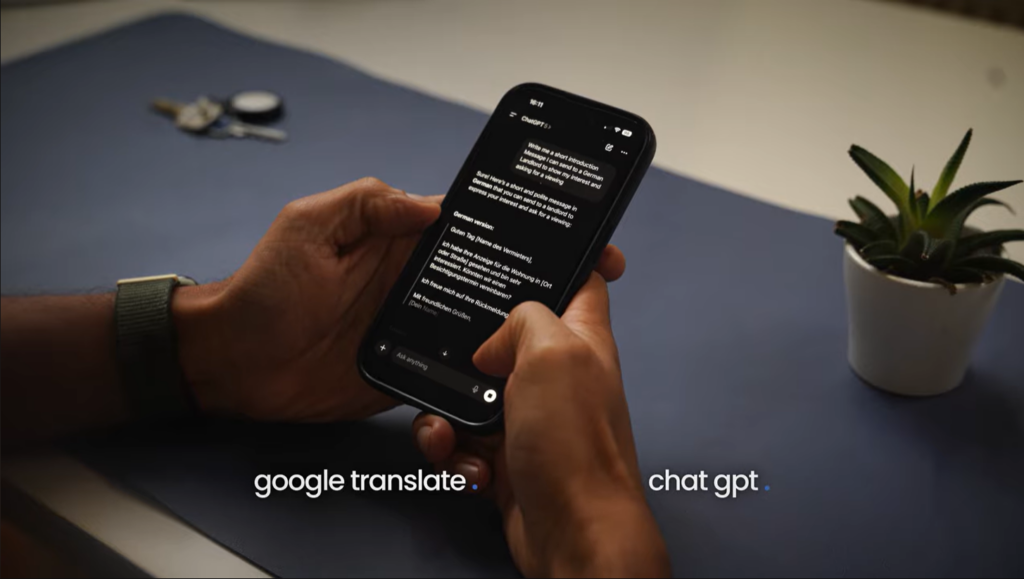
Now, this might not be what you want to hear, but if you really want to boost your chances, write that first message in German. Even if you can’t speak the language, just reaching out in German massively increases your chances of getting a reply. Why? Because a lot of landlords aren’t comfortable with English. They’d rather go with someone they know they can easily communicate with. And don’t worry if you’re not fluent; you can always use Google Translate or even ChatGPT to help you draft it.
And don’t just stick to emails. If there’s a phone number listed, call. Landlords get so many emails that yours might never even be opened. But a quick call or even leaving a voicemail can put you right at the front of the line. And if your German isn’t perfect, no worries. Just read from a short script or ask a German-speaking friend to help you out.
And once you’ve applied, don’t just forget about it and wait. Write a polite follow-up email or call and check a few days later.
Here’s another small but powerful trick: keep a simple spreadsheet to keep track of your applications. Note down the viewing dates, rent, address, contact person, and status of each application. It saves you from applying twice to the same place and also makes it easy to follow up politely.
And let’s be real, you’ll probably have to send 30, 50, maybe even 70 applications before you get just a handful of replies. That’s completely normal. The key is to stay patient and keep going.
Documents
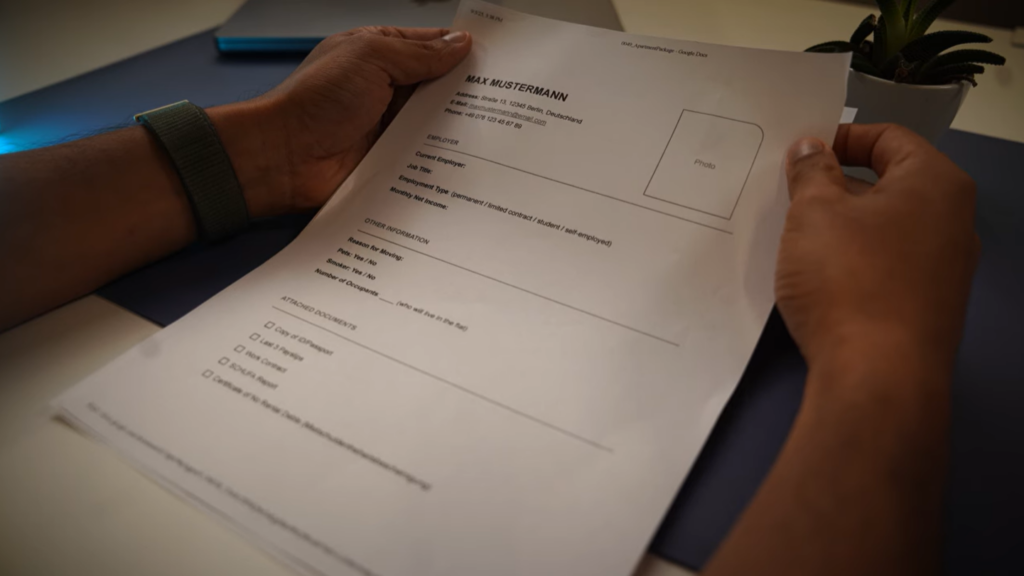
And don’t stop at the message. Put together a mini “application package.” A simple one-page summary with your name, photo, age, job or study status, income, and a few other relevant details. Then, a short cover letter explaining why you’re interested in that apartment maybe it’s close to your job, or you like the neighborhood. Keep it short, genuine, and to the point. Also include a copy of your passport or ID.
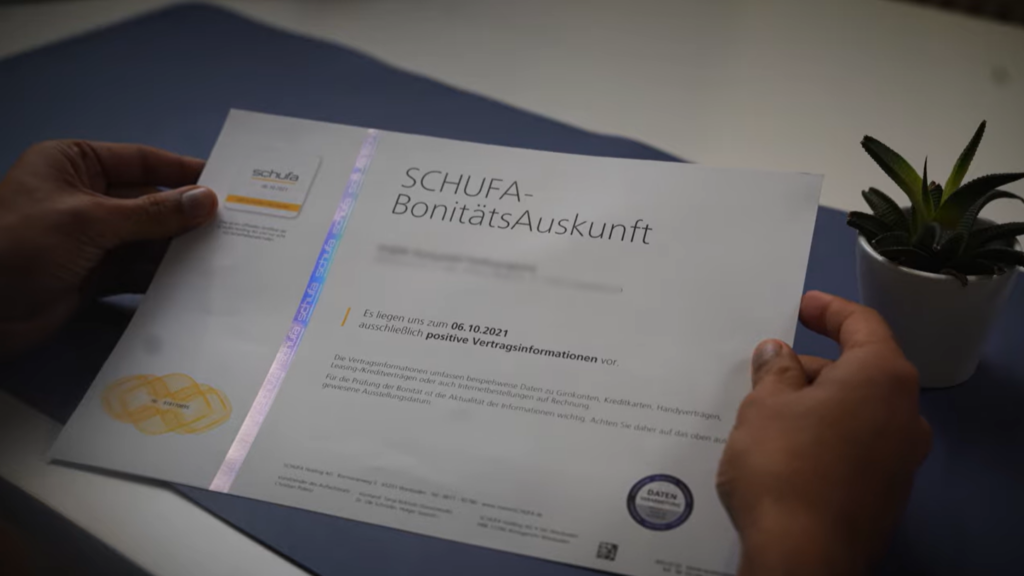
And remember at the end of the day, landlords in Germany care about one thing above everything else: will the rent be paid on time? That’s why proving your financial reliability is your strongest card. If you’re working, include your last three payslips. And of course, add the SCHUFA report, which is the German credit check showing you don’t have unpaid debts. You can order it online pretty easily. And if you can, get a certificate from your current landlord confirming you don’t owe any rent, called a Mietschuldenfreiheitsbescheinigung; include that too. Every single document that makes your case stronger.
Appointment
When it comes to the apartment viewing, the first rule is simple: be on time. In Germany, punctuality isn’t optional; it’s expected. Aim to arrive a few minutes early. Use that extra time to walk around the neighborhood, get a feel for the area, and check out things like nearby shops, bus stops, or anything else that could affect your daily life.
Appearance matters too. You don’t need to dress up in a suit, but clean, neat clothes and a well-groomed look go a long way. Approach it just like a job interview.
Once you’re inside, don’t just walk around quietly. Ask questions. How’s the internet connection? Are there any renovations planned? What’s the heating like? Is there parking nearby? These questions will help you figure out if the place is right for you, and they’ll also show the landlord that you’re genuinely serious.
Sometimes, landlords make the decision right after the viewing. So if you really like the apartment, say so before you leave. Nothing pushy, just something simple like, “Thank you for the viewing. I really like this apartment, and I’d be happy to move in from [date].”
And remember that application package we prepared earlier? Bring it with you in a neat, organized folder and hand it directly to the landlord or broker. That small step can make a big difference.
And finally, follow up. Send a short thank-you message after the viewing. Nothing long, just a polite note saying you appreciated the opportunity and that you’re interested.
And here’s the truth: finding an apartment in Germany can be frustrating. You’ll face rejections or sometimes no replies at all. But don’t take it personally, and don’t give up. Keep sending applications, keep going to viewings, and eventually, the right place will show up.
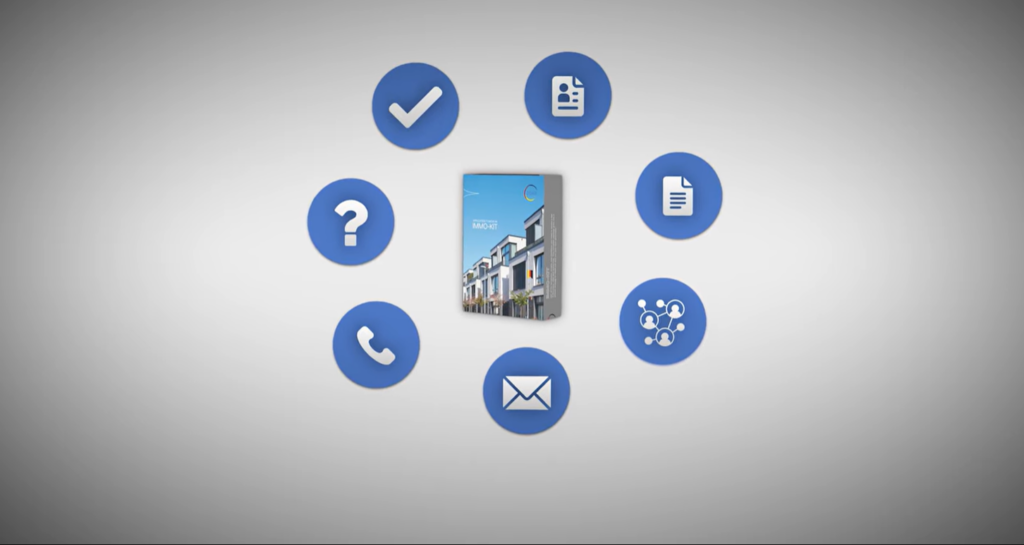
And if you want some extra help with your apartment search, I’ve put together a complete support package. It includes a ready-to-use resume, a cover letter, a list of Immobilien platforms, a first-contact email, a phone call script, questions to ask during the viewing, and a checklist for each stage.