
Have you ever been in a situation where you felt like you were doing something wrong, but you just couldn’t figure out what it was? Like in Germany, when you walk into a bakery and order right away, and the cashier gives you that cold look. Or when you stand casually on the escalator, and suddenly you’re blocking everyone. If this sounds familiar, don’t worry; you’re not alone.
When you move to a country like Germany, you’re not just changing your address; you’re stepping into a whole new culture. And that’s a challenge, because every culture has a set of unwritten rules. Rules about what’s polite, what’s rude, and what’s socially acceptable. The kind no one tells you about but everyone follows. If you miss them, you can easily end up in some pretty awkward situations. I want to save you from that embarrassment.
First Contact
When you arrive in Germany, one of the first things you’ll notice is how much people value personal space. Whether you’re standing in line at the bakery, talking to a coworker, or waiting for the train, you’re expected to keep a bit of distance.
But keeping distance doesn’t mean ignoring people. In fact, it’s the opposite. In Germany, you’re expected to greet people. When you walk into a shop or a doctor’s office or even step into an elevator, if there are others, you say hello. And when you leave, you say Tschüss or Auf Wiedersehen. At first, I was like, “Do I really have to greet strangers every single time?” But the answer is yes. That’s just how it works here.
If you are at a party or a social gathering, things go a step further. You don’t just nod and smile; you walk up, shake hands, and introduce yourself. Nothing fancy, just a simple “Hallo, ich bin [your name].” That’s it.
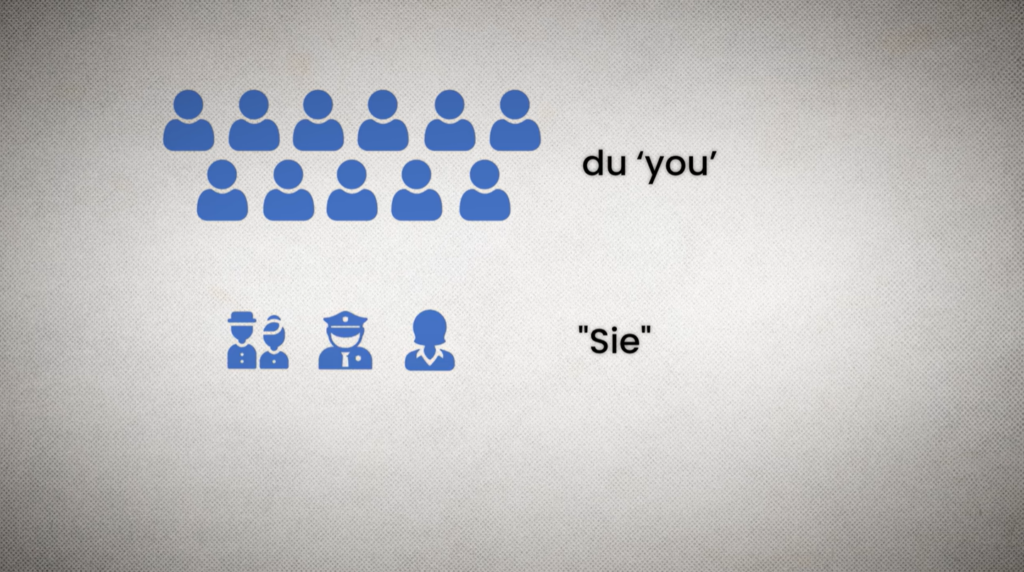
But you have to be careful with how you address people. Always start with the formal version: Herr or Frau plus their last name. Now, if you’re with younger people, friends, classmates, or colleagues your age, you can usually go straight to ‘du,’ or the informal ‘you.’ But with older neighbors, police officers, or the lady at the Bürgeramt? Always start with the formal Sie.
You also have to be careful about the topics you bring up in the conversation. Think twice before asking someone you just met, ‘How much do you make?’ or ‘So, when are you getting married?’ In Germany, those kinds of questions are considered private. The same goes for talking openly about salary or money.
So what do you do instead? Keep it light. Talk about the weather, your weekend plans, or your hobbies. Let people share personal details when they feel comfortable.
Be on time.

This is the most important one. In Germany, time is taken very seriously. Here, if you’ve got a meeting, a class, a tour, or even just a casual hangout, you’re expected to be on time. And by “on time,” it’s usually to the minute, not one or two later. Even being just five minutes late can come across as disrespectful.
So how do you handle it? Simple: plan ahead. If you’re using public transport, check the schedules and account for delays. If you’re driving, give yourself enough buffer time for traffic. And if you really can’t make it, always call and let the other person know. At the end of the day, everyone’s time is valuable, so make sure you give it the importance it deserves
Keep It Quiet
Now this is something that really took me a while to adjust to in Germany: silence. Germans are quiet, and like, really quiet. On public transport, in waiting rooms, and even in restaurants, people keep their voices low. If you’re on the train and talk loudly on the phone, trust me, you will be asked to keep it down. The same goes for playing music. Always use headphones—and keep the volume down. Nobody else needs to hear your playlist, no matter how amazing you think it is.
Even entire neighborhoods are quiet. Germany has official “quiet hours,” called “Ruhezeit,” and during those times, you’re expected to keep the noise down. Dragging furniture, playing loud music, or even running the vacuum or the washing machine late at night is all seen as inconsiderate. And trust me, if you break that rule, your neighbors won’t just let it slide. They might call the police.
Dining
One of the first things I noticed in Germany is that eating together feels a little more formal. There are certain etiquettes you’re expected to follow. For example, when your food arrives, don’t immediately start eating. You wait until everyone has their plate, and then someone says “Guten Appetit,” which simply means “enjoy your meal.”. That’s your green light.
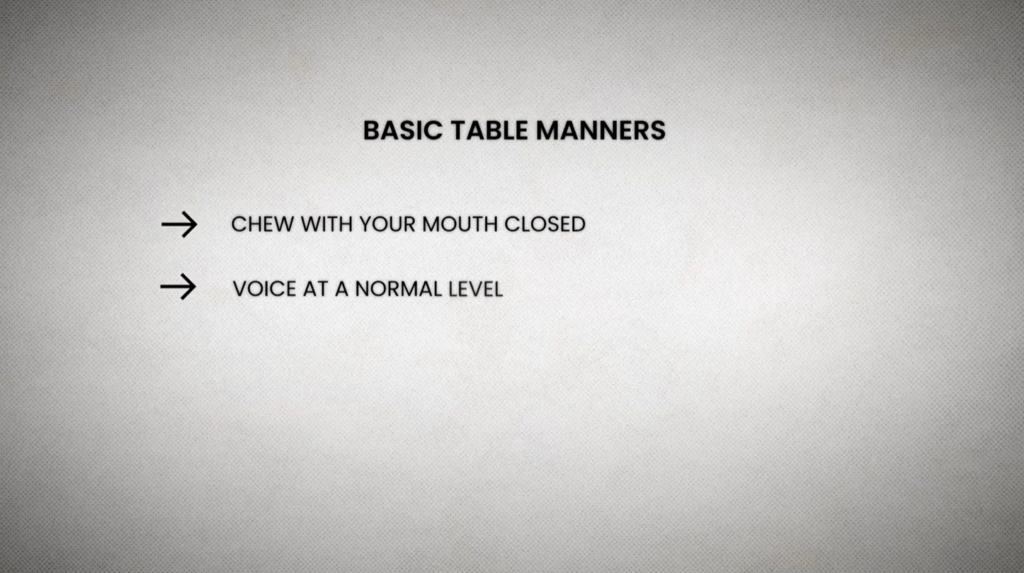
Similarly, most meals in Germany are eaten with a fork and a knife. If you’re used to eating with your hands, try to avoid it unless it’s something that’s clearly finger food, like bread or pretzels. And of course, the basic table manners matter: chew with your mouth closed, keep your voice at a normal level, and always keep your hands visible on the table without resting your elbows on it. And finish what’s there on your plate. Wasting food is seen as disrespectful, so only take what you know you can actually eat.
When it comes to paying the bill at a restaurant, the waiter will usually ask, “Zusammen oder getrennt?” which simply means, “Do you want to pay it together or separately?” Most people here say separate checks, and everyone just pays for exactly what they ordered, along with a small tip.
And then there’s the drinking culture. Beer and wine are a big part of life here, but there’s a little ritual to them. Just like with food, you don’t take the first sip as soon as your glass is in your hand. You wait. Someone will raise their glass and say, “Prost!” and everyone joins in with a “Prost!” back. Then you clink glasses with the people around you, and this is important; make eye contact, and then take your first sip. Just German things.
Transport
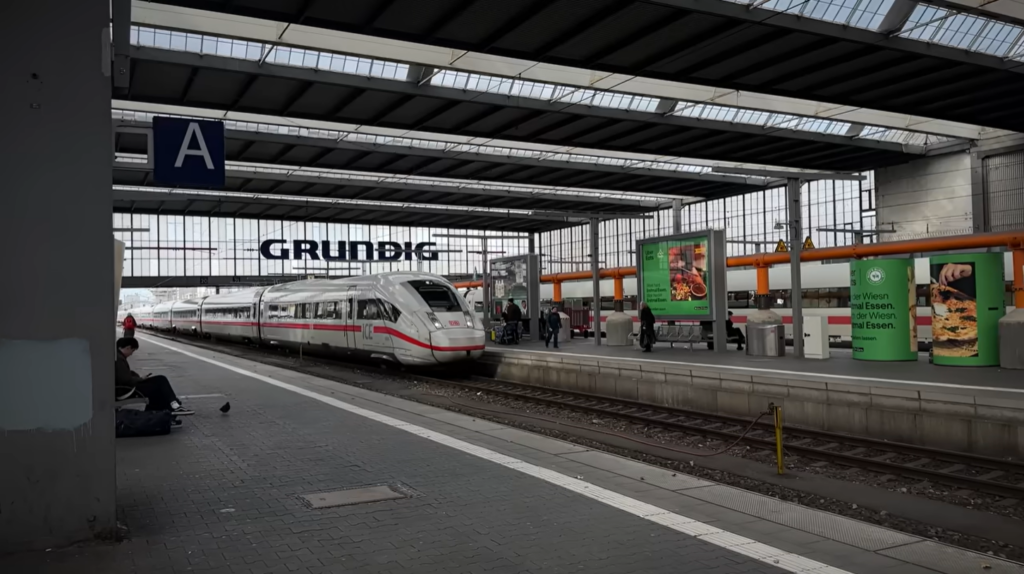
This is another big one. The first rule of public transport is simple: whether in a bus or a train, before you board, always let people get off first. And when you wait to board, make sure you’re standing to the side of the doors and not blocking the way. On escalators, always stand on the right, and keep the left side free for people who are in a hurry.
Once you’re inside a train or bus, seating has its own code too. Priority seats are for the elderly, disabled, pregnant women, or parents with kids. Even if you’re in a regular seat, it’s expected that you’ll offer it if someone clearly needs it more. And once you are seated, don’t ever put your feet on the seats, even if they are empty; people see it as really disrespectful. And when it comes to eating or drinking, keep it light and clean. A coffee or water is fine, but avoid messy or smelly food.
And like I mentioned earlier, keep it quiet. Phone calls, music, conversations… Keep them low. Public spaces belong to everyone, so always be mindful of the people you’re sharing them with.
Respect the order.

In Germany, rules are rules and people actually follow them, even if they seem small or unnecessary. For example, you don’t just cross the street when the pedestrian light is red, even if the road is totally empty. People wait until it turns green. And it’s not only about safety; it’s also about setting the right example, especially for kids.
And cutting in line is not okay. If you stand too close or try to sneak ahead, someone will definitely call you out. The tricky part is that sometimes these lines are imaginary. For example, at a bakery, people don’t really form a single queue. Everyone just knows who came first, and the cashier usually looks around to see who’s next. If you are in doubt, just ask politely.
Don’t Joke About the Sensitive Topics
Now this one is really important. Every country has certain topics you just don’t treat lightly, and in Germany, that’s World War II and anything related to Nazism. For many people, it’s still personal. So avoid any “funny” references or casual comments on these topics.
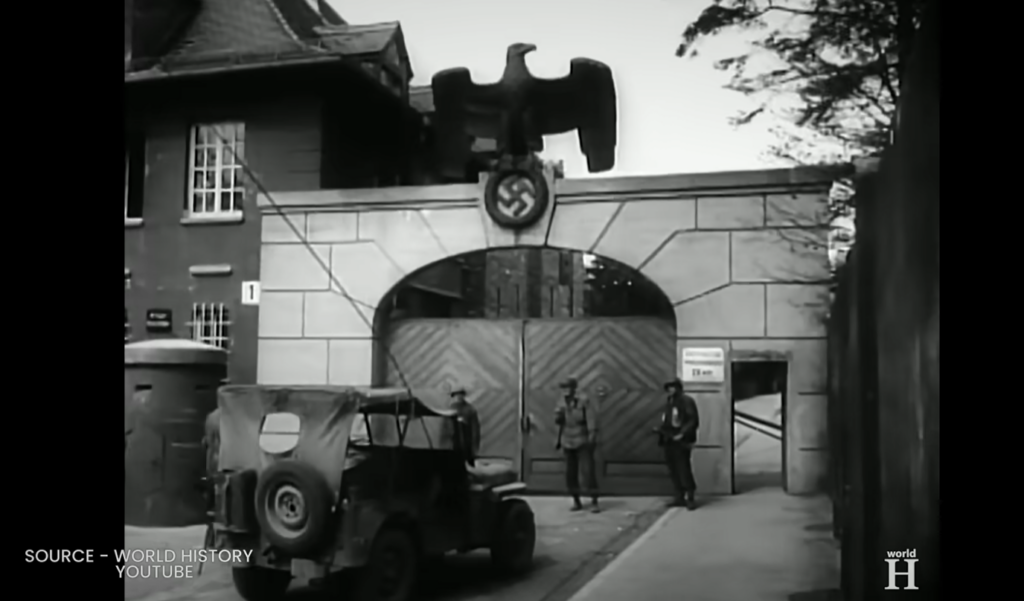
But that doesn’t mean the topic never comes up in conversations. Germans aren’t defined by that part of their history, but they also don’t ignore it. Schools teach it in depth, and there are memorials everywhere. So if it does come up, approach it with respect. Listen more than you speak. Don’t make assumptions, and don’t fall back on stereotypes. If you’re genuinely interested and want to ask questions, that’s okay, but only if it comes from a real place of wanting to understand, not to judge.”
Tolerance and Respect
If there’s one thing I really admire about Germany, it’s how much people value individuality. You see it everywhere—the way people dress, the careers they choose, the hobbies they dive into. Nobody really cares if you’re conventional or living like you’re already in the future. The mindset is pretty much like this: you do your thing; I’ll do mine. And along with that comes a strong sense of tolerance and respect.
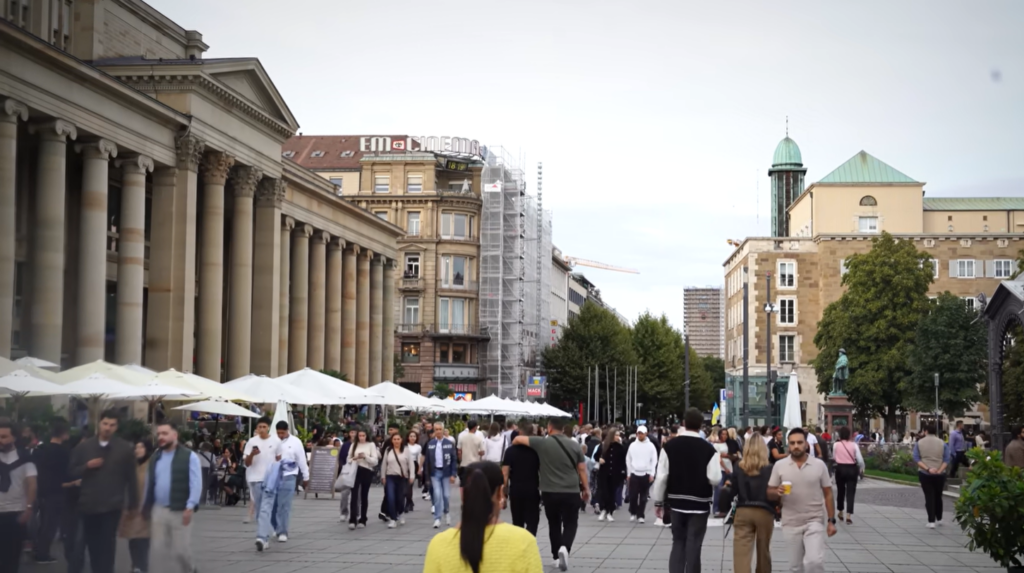
For example, in many lakes and parks, you can see people sunbathing naked. Even at gyms, in the changing rooms or showers, people walk around without clothes. And here’s the thing: nobody stares, nobody makes it weird. It’s just normal. The rule is simple: don’t judge. Be open, be respectful, and accept people for who they are.
One of the biggest mistakes people make when moving abroad is assuming that what’s normal back home is normal everywhere. But it’s not. So if you’re ever unsure what to do in a particular situation, don’t guess. Look around. See what others are doing. And if you’re still not sure, just ask politely. People appreciate it when you’re genuinely curious about their culture, and if you ask with respect, most people will be more than happy to explain.
And here’s the thing: once you follow these unspoken rules, you blend in better, people treat you more warmly, and you start to feel like you belong.