

When I first started working in Germany, I thought I knew what to expect: show up on time, do your job, and go home. Simple, right? But soon I realized the work culture here is completely different from what I was used to back in India. The way people give feedback, how they separate work and private life, even how they wrap up the day it was all new to me. Now, none of it was bad, just very different.
And honestly, some things really shocked me. So if you’re planning to move here for a job, coming on a short business trip, or you’re just curious about how German offices really work, this will give you a clear picture of what to expect.
Organization and Structure
When you start working in Germany, one of the first things you’ll notice is how structured everything is. Decisions usually come from the top, and everyone knows exactly where they stand in the hierarchy. Processes are clearly defined, and you’re expected to follow them.
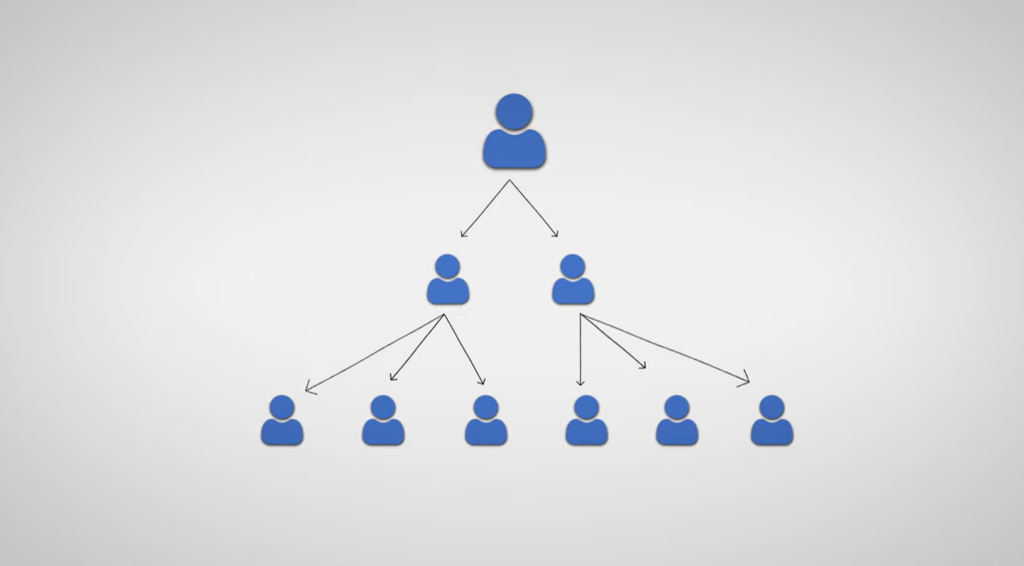
The downside? Things can feel a bit slow, and decisions take time. But once a decision is made, it’s solid and rarely changes. Of course, not every company is the same. In startups or younger teams, you’ll see a more relaxed vibe. But even there, that German love for order and structure always finds its way in. It’s just part of the culture.
Working Conditions in Germany
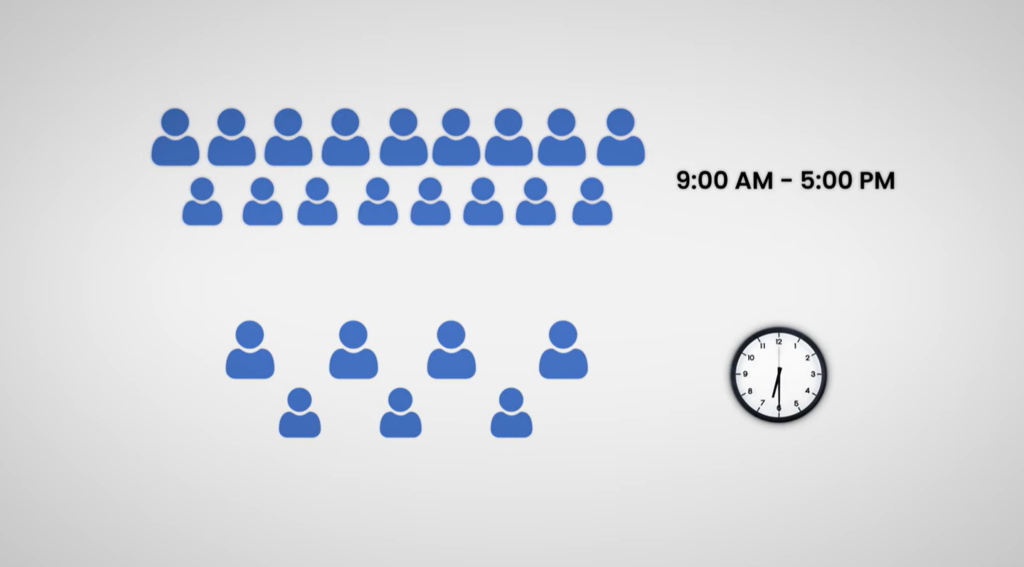
In Germany, the standard workweek runs from Monday to Friday and usually adds up to around 40 hours. Most people work 9 to 5, but some even start as early as 6:30 in the morning. By law, if you work more than six hours, you have to take a proper break. And once the day is done, it’s really done no checking emails late at night or sneaking in extra work. It’s time to relax, meet friends, or just enjoy your evening.
Germans even have a word for it: Feierabend. The message is simple: productivity here isn’t about sitting at your desk late into the night. It’s about getting things done during work hours so you can enjoy life afterward.
Sure, overtime does exist, but it’s more of an exception than the norm. In fact, many companies offer Gleitzeit or flexitime so you can shift your hours around, especially if you work from home.
Vacation is another big thing. And here’s the best part: it’s completely normal to take two or even three weeks off in a row. And just like Feierabend, when you’re on holiday, you’re really on holiday. No emails, no phone calls.
Punctuality
You’ve probably heard this stereotype a thousand times: Germans are super punctual, and you’re expected to be on time. And by “on time,” it’s usually to the minute, not one or two later. If a meeting starts at 10:00, you don’t walk in at 10:02 with a coffee. You’re expected to be there a few minutes early, ready to go at exactly 10:00.
So here’s the golden rule: if you’re ever unsure, just arrive five or ten minutes early. It’s the easiest way to show respect, and it leaves a great first impression. And that brings us nicely to the next point. Being direct.
Direct Communication
If you’re ever late to a meeting, don’t be shocked if someone looks you straight in the eye and says, “You’re late. You’re wasting our time.” Germans are direct very direct. At first, it can feel harsh, but it’s nothing personal.

The same goes for feedback; it’s direct and brutally honest. If your work isn’t good enough, they’ll tell you straight up, and they’ll expect you to do better next time. At first, I found that hard to take. But over time, I realized the upside: people mean exactly what they say. No sugarcoating, no reading between the lines.
Even in emails and meetings, it’s the same approach: short, clear, and straight to the point. No small talk about the weather, no long paragraphs. It’s all about efficiency.
Personal Professional
When you start a new job in Germany, don’t expect your colleagues to instantly become your friends. There’s a clear line between coworker and friend, and crossing that line takes time. Just because you shared a laugh over a couple of beers on Friday night doesn’t mean you’re suddenly best friends on Monday morning. Friendships here build slowly and steadily.

And this connects to a bigger cultural point that we talked about earlier: Germans like to keep their work life and private life separate. At work, people are polite, respectful, and professional but not overly personal. Over time, as trust grows, those walls slowly come down. So the best thing you can do is respect those boundaries, stay professional, and let friendships happen naturally.
Dresscode
There is a dress code in German workplaces, but it’s usually not as strict as people imagine. In traditional fields like finance, law, or consulting, you’ll still see the full formal look: dark suits, crisp shirts, polished shoes. But in many other industries, business casual is the standard.

A clean shirt with jeans is often perfectly fine. And if you’re in a startup or a creative field, things can be even more relaxed. So it really depends on the city, the company, and the industry.
Job Security and Employee Rights
If stability and job security are what you’re after, Germany is hard to beat. Once you land a permanent contract and finish your probation, usually six months, it becomes very difficult for an employer to fire you without a solid reason.
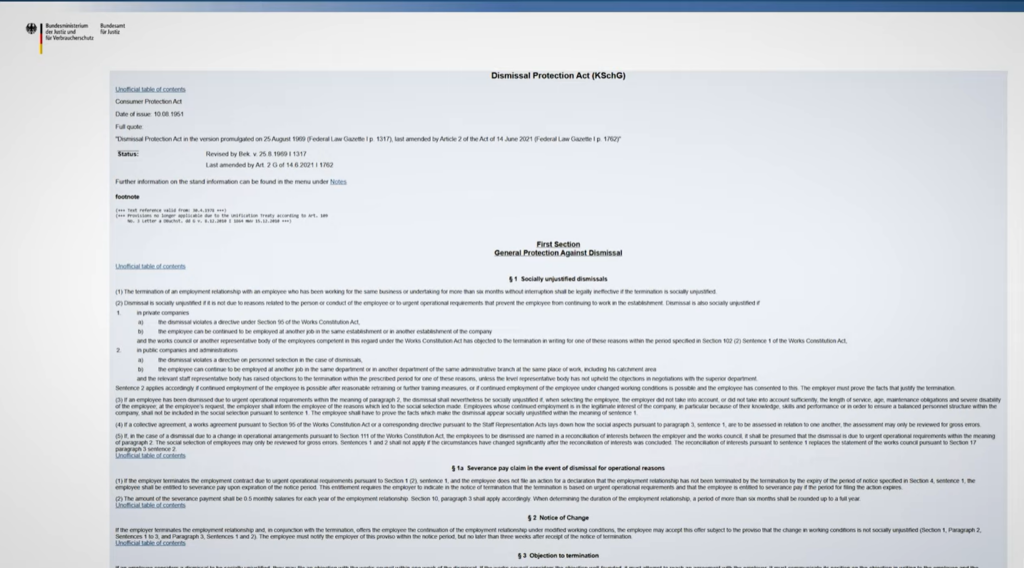
A big part of this comes down to the Kündigungsschutzgesetz, the law that protects employees from unfair dismissal. And then there’s the Betriebsrat, or works council. This is a group of employees elected to represent the employees.
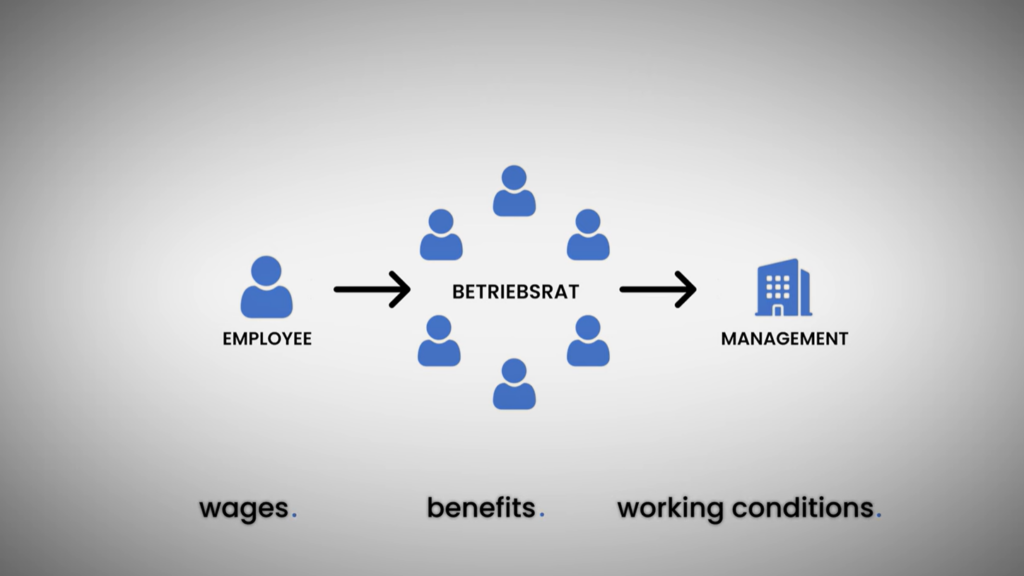
They negotiate things like wages, benefits, and working conditions on your behalf. So if you ever have a concern about your rights at work, the Betriebsrat is usually the first place to go.
Loyalty
One thing that really surprised me when I started working in Germany was how long people stay with the same company. I even met someone at work who had been with the company for over 40 years. Compare that with where I used to work in India; changing jobs every few years was the norm.
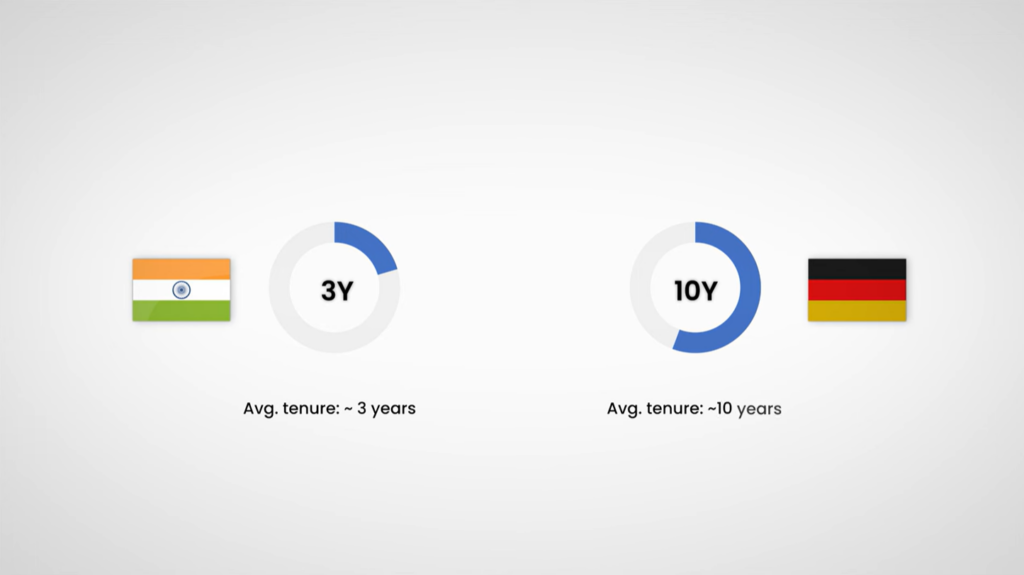
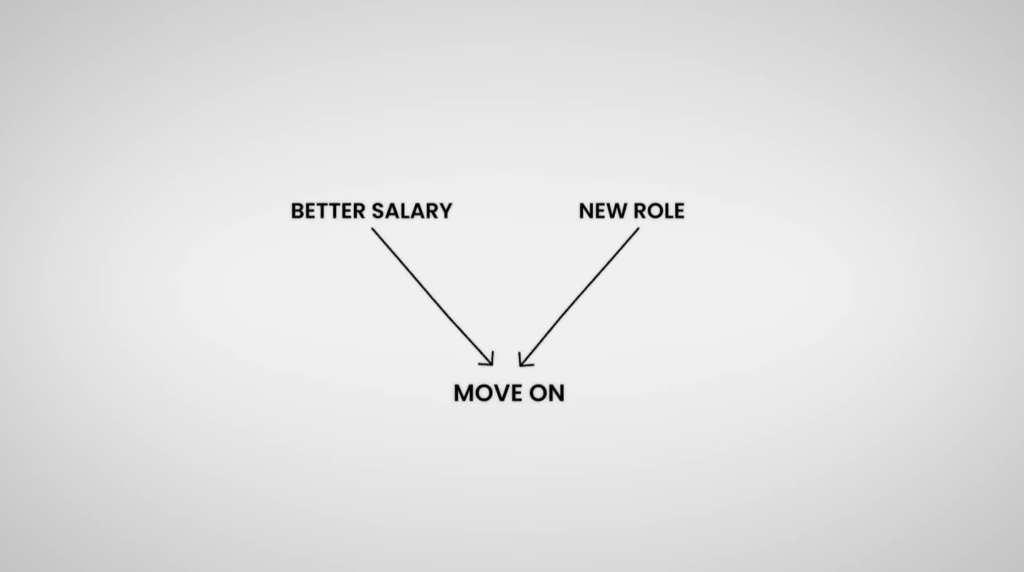
You find a better salary or a new role, and you move on. But in Germany, it doesn’t work like that. Loyalty here is seen as a sign of stability, trust, and a strong relationship between employer and employee.