

Most people, when planning to move to a foreign country like Germany, put a lot of focus on salary. We look at the numbers, compare them to our current income, do a quick euro-to-local currency conversion, and think it’s great deal.
But one major factor we often overlook is the cost of living. Instead of just asking, “How much more will I earn?” The real question should be, is that higher salary enough to cover the higher expenses?
What Is Considered a Living Expense?
Simply put, living expenses mean everything you need for daily life and to maintain a comfortable lifestyle. This includes essentials like rent or mortgage, groceries, personal care products, internet and phone bills, transportation, and even recreational activities.
But one important point to note is that insurance and social security contributions, such as pension payments or liability insurance, are not considered part of living expenses.
So now that we’ve cleared that up, let’s take a closer look at how Germany compares when it comes to the cost of living!
Where Does Germany Stand?
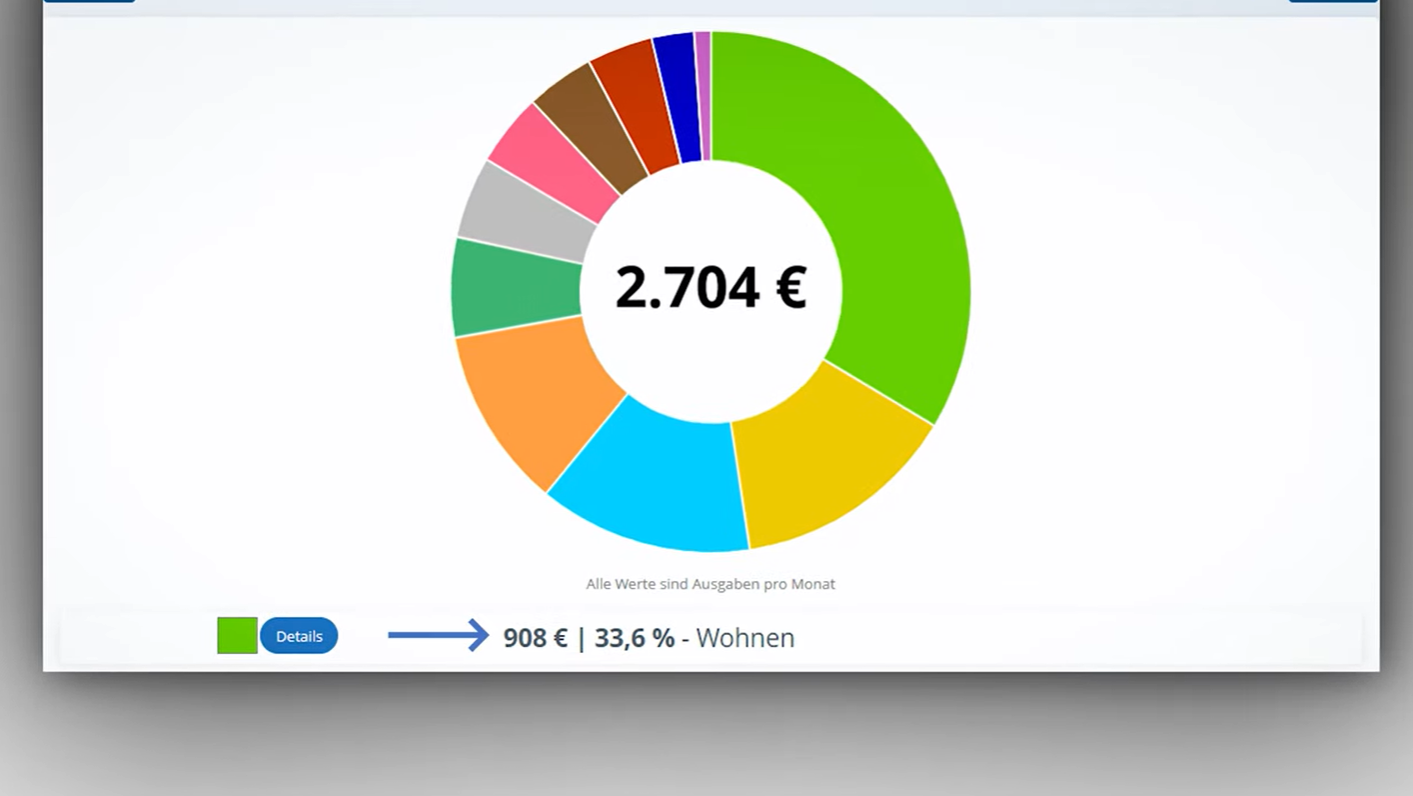
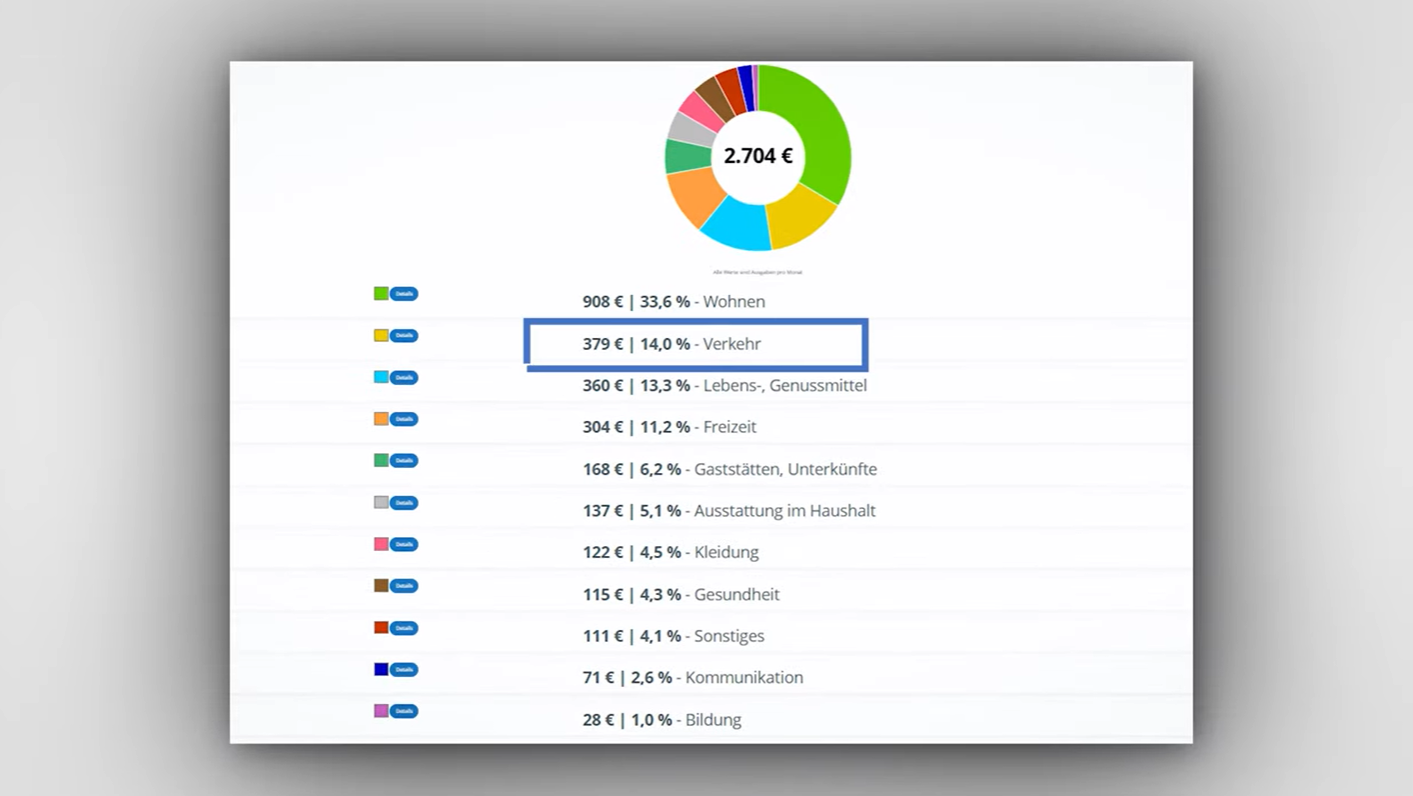
The latest available data from the Federal Statistical Office related to this is from the year 2022. And according to it, the average monthly living cost in Germany is around €2,704 per household.
While costs have increased significantly in recent years, Germany still remains more affordable than neighboring countries like Luxembourg, Switzerland, Denmark, Belgium, France, the Netherlands, and the Nordic states.
However, this is just a general estimate your actual living costs will of course depend on factors like your lifestyle choices, spending habits, and location.
For example, those who shop at organic supermarkets will spend more on groceries, while those who use public transport or cycle can save significantly compared to car owners.

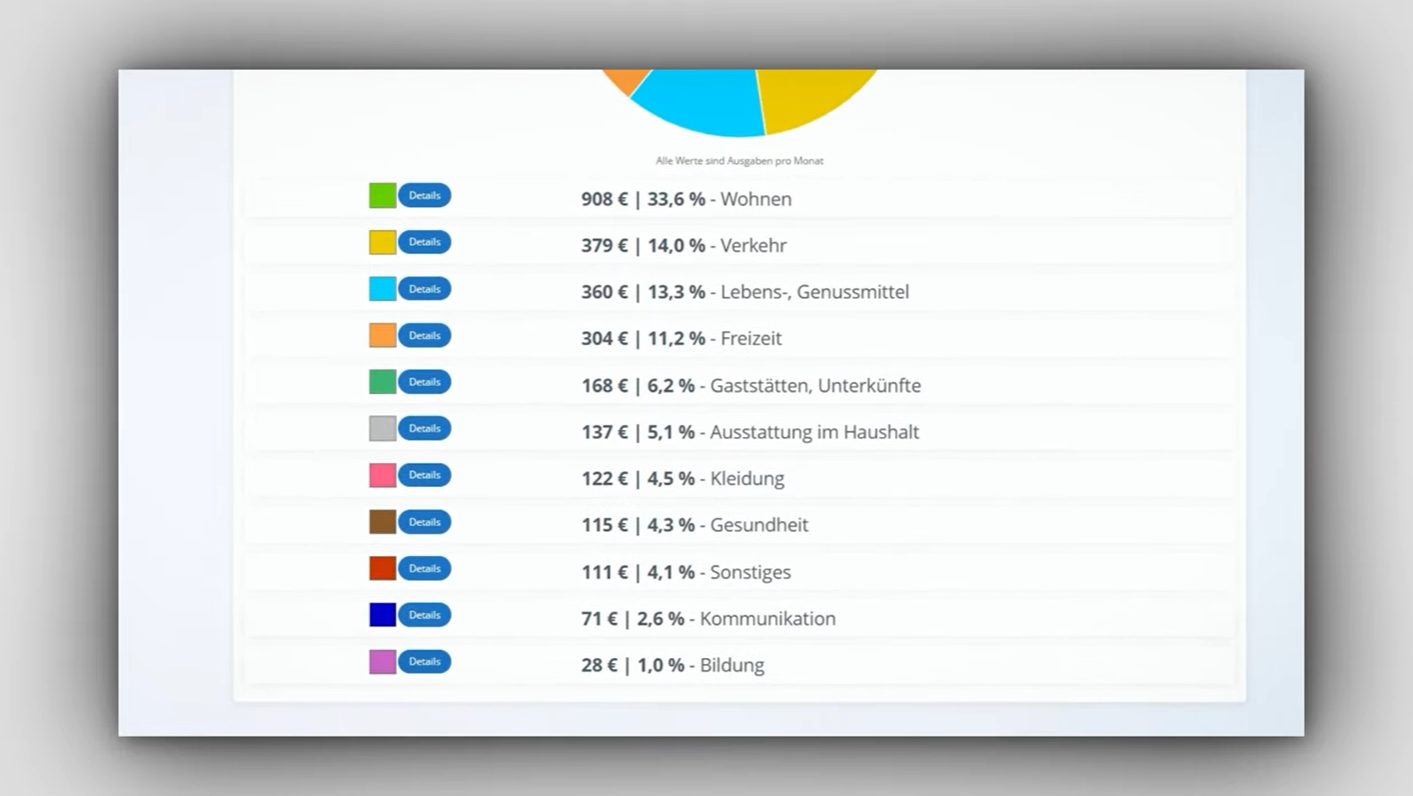
But one of the biggest factors that influence living costs is the size of the household. And according to the report,
• A single-person household spends around €1,833 per month.
• A single-parent household averages €2,417 per month.
• A couple typically spends €3,372 per month and a
• A household with two children spends around €4,029 per month.
Now that we have an overview of the average cost of living in Germany, let’s break it down further and see how expenses are divided across different categories.
How Is It Divided?
Rent & Utilities
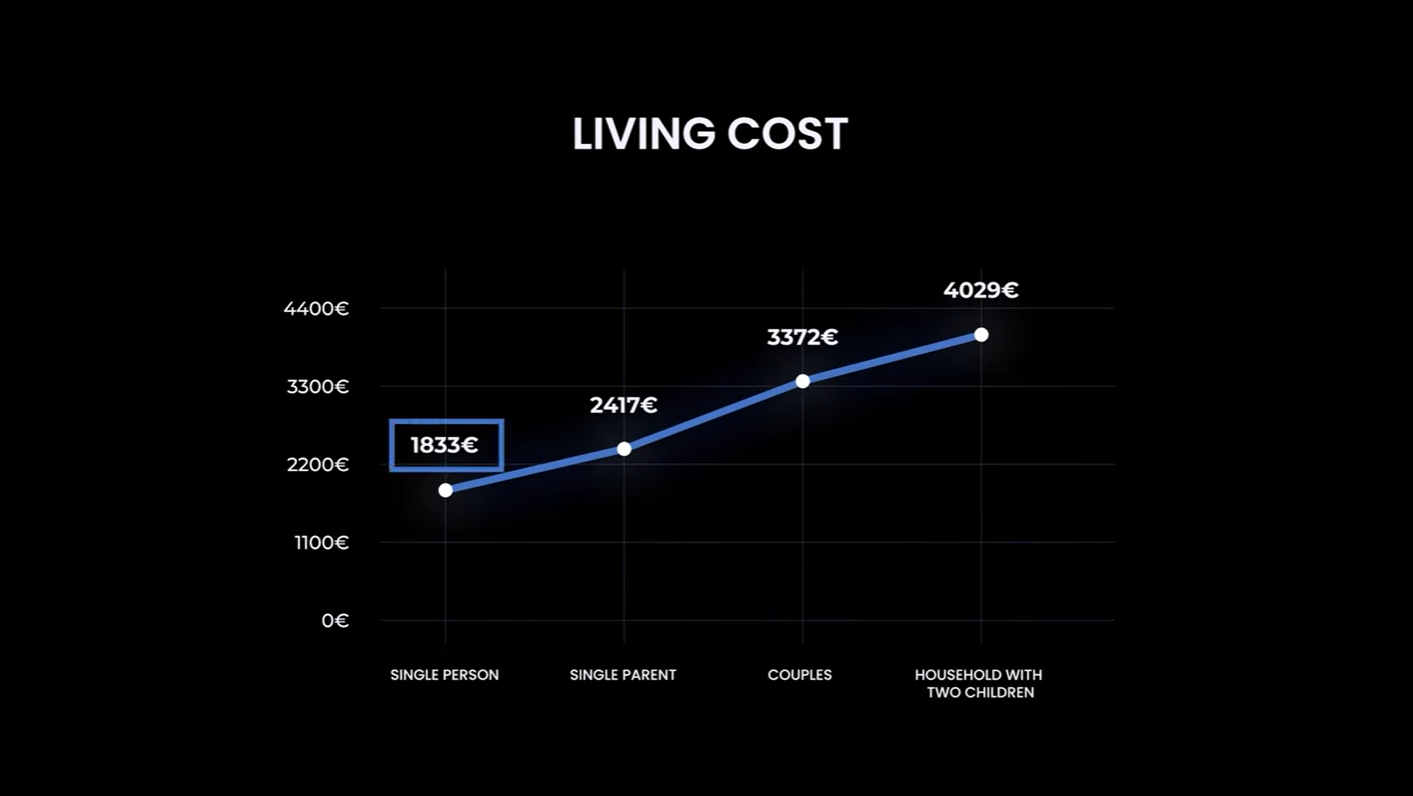
According to the Federal Statistical Office, expenses related to housing are the largest expenditure item for many households, usually coming to around one-third of the total budget.
And the biggest part of that? Rent. In Germany, rent is split into two types: cold rent (Kaltmiete), which is just the base rent with no extras, and warm rent (Warmmiete), which includes utilities like water, heating, and garbage collection also known as Nebenkosten.
Rent prices in Germany can vary a lot depending on the location. On average, rent across Germany is around €10 per square meter.
In smaller towns, you might find a studio apartment, including utilities, for as little as €500 per month. But in central Munich, the same type of apartment can easily cost over €1,000 per month and prices can go up to around €22 per square meter.
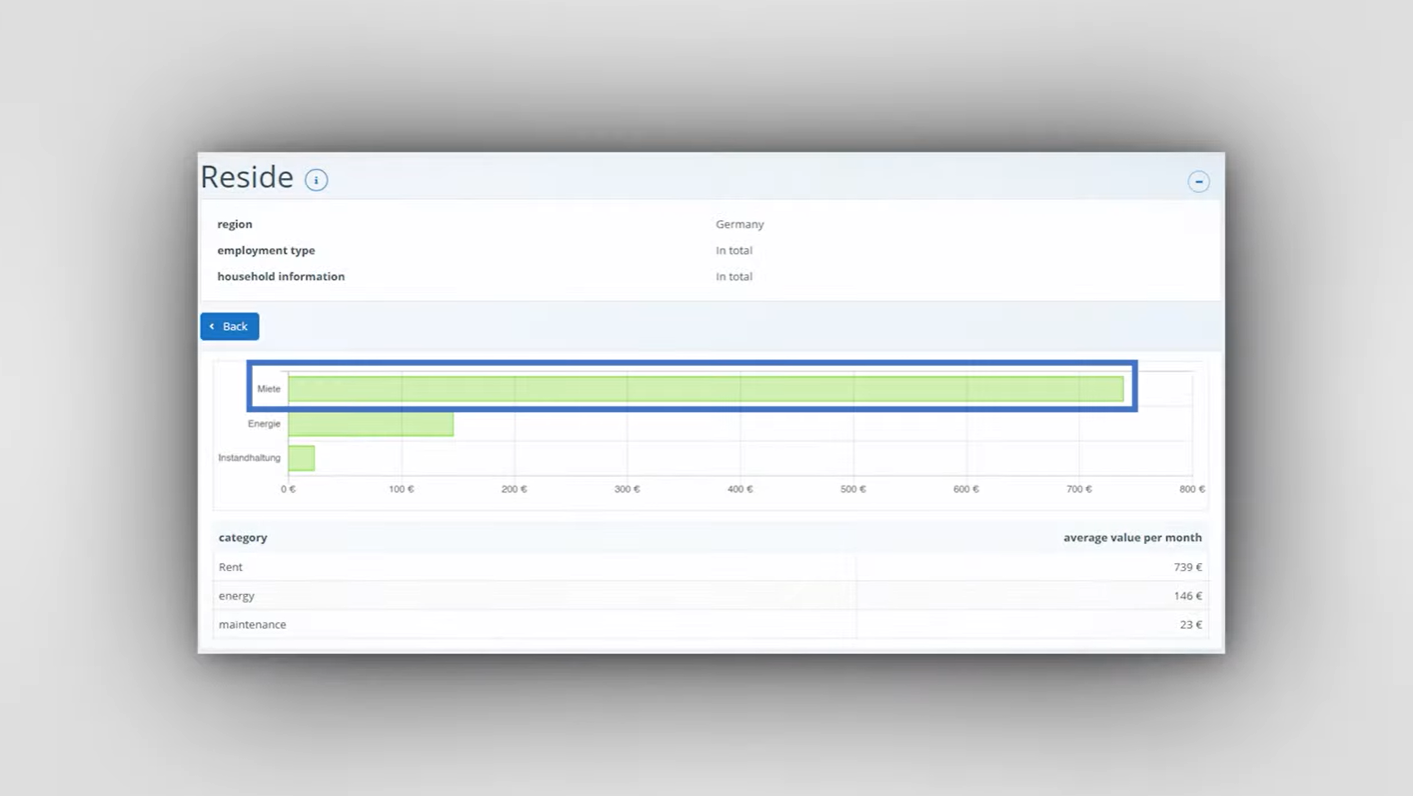
If we take an average value, the typical rent across Germany is around €739 per month.
But it’s not just the rent utilities also add a significant cost to housing expenses. Heating and hot water are usually included in the warm rent (Warmmiete) as a part of the Nebenkosten, while electricity must be paid separately by the tenant.
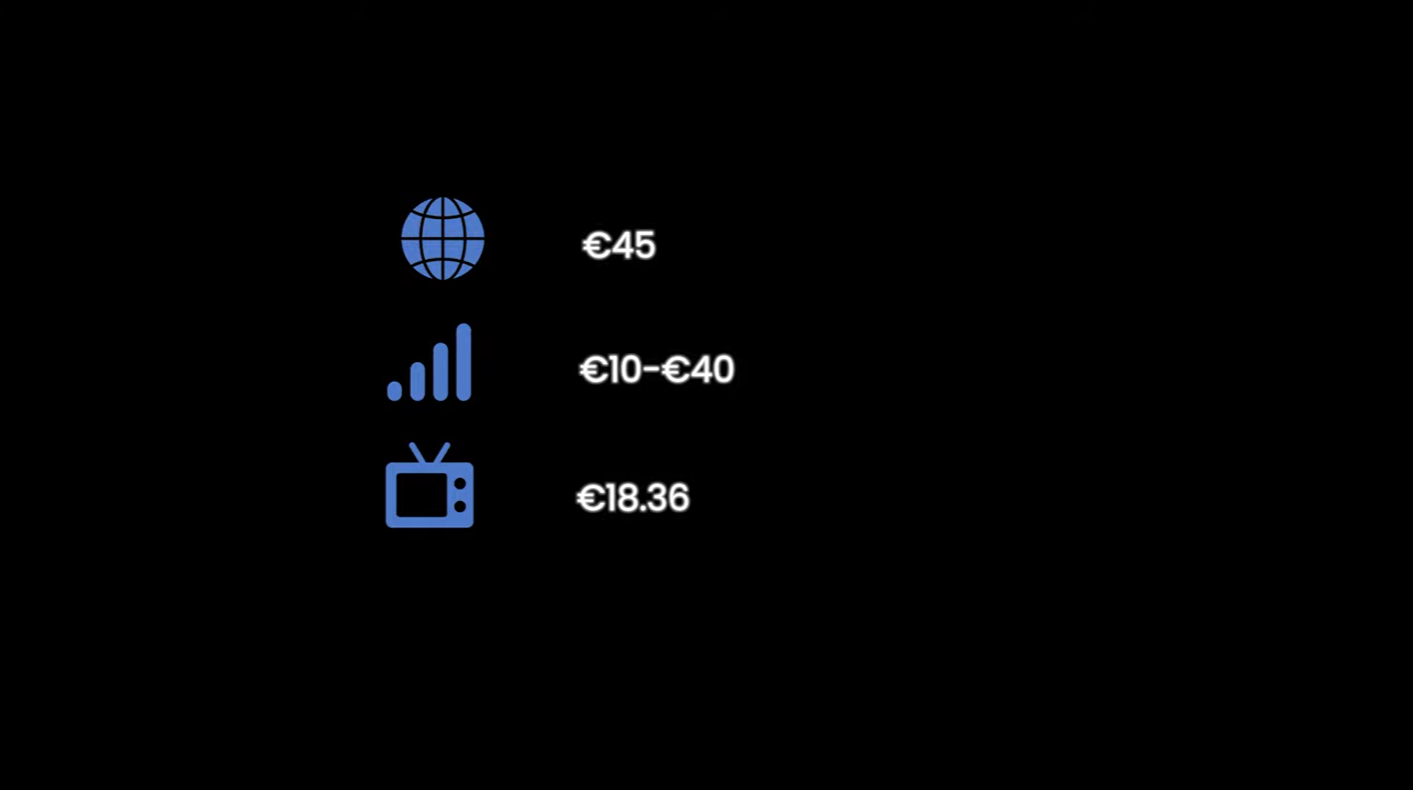
The average gas price in Germany is currently 10 cents per kilowatt-hour (kWh), while electricity costs around 40.92 cents per kWh. Water prices remain at approximately 2 euros per 1,000 liters (1 cubic meter). Many rental apartments include the cost of cable TV connections in the additional costs, coming to around 10 to 15 euros per month.
On average, when you add up electricity, heating, water, and garbage collection, a tenant in Germany can expect to spend around €169 per month on utilities.
Transportation
How much you spend on transportation depends on your commuting distance and preferred mode of transport. Germany has a highly reliable and efficient public transportation system.
So you can keep the expenses down if you use public transport for your commute. A single ticket on a local network can cost around €3. And if you commute regularly, the Deutschlandticket is a game-changer. For €58 a month, you get unlimited access to regional trains and public transport across the country. If you take a taxi, the starting fare is about €4.50, and after that, it’s €2 to €3 per kilometer.
Now, for car owners owning a car isn’t just about the purchase price. There are many extra costs that can add up quickly.
Registering a car in Germany comes with a one-time fee of around €30. Fuel prices fluctuate, but currently, gasoline costs an average of €1.75 per liter. Depending on driving habits, a household typically spends between €70 and €100 per month on fuel alone.
Another major related expense is the cost of car insurance. Basic third-party liability insurance, which is mandatory, costs around €250 per year. If you opt for partial coverage, the price increases to approximately €350 annually, while fully comprehensive insurance can cost more than €500 per year. Maintenance and repair costs are another factor to consider.
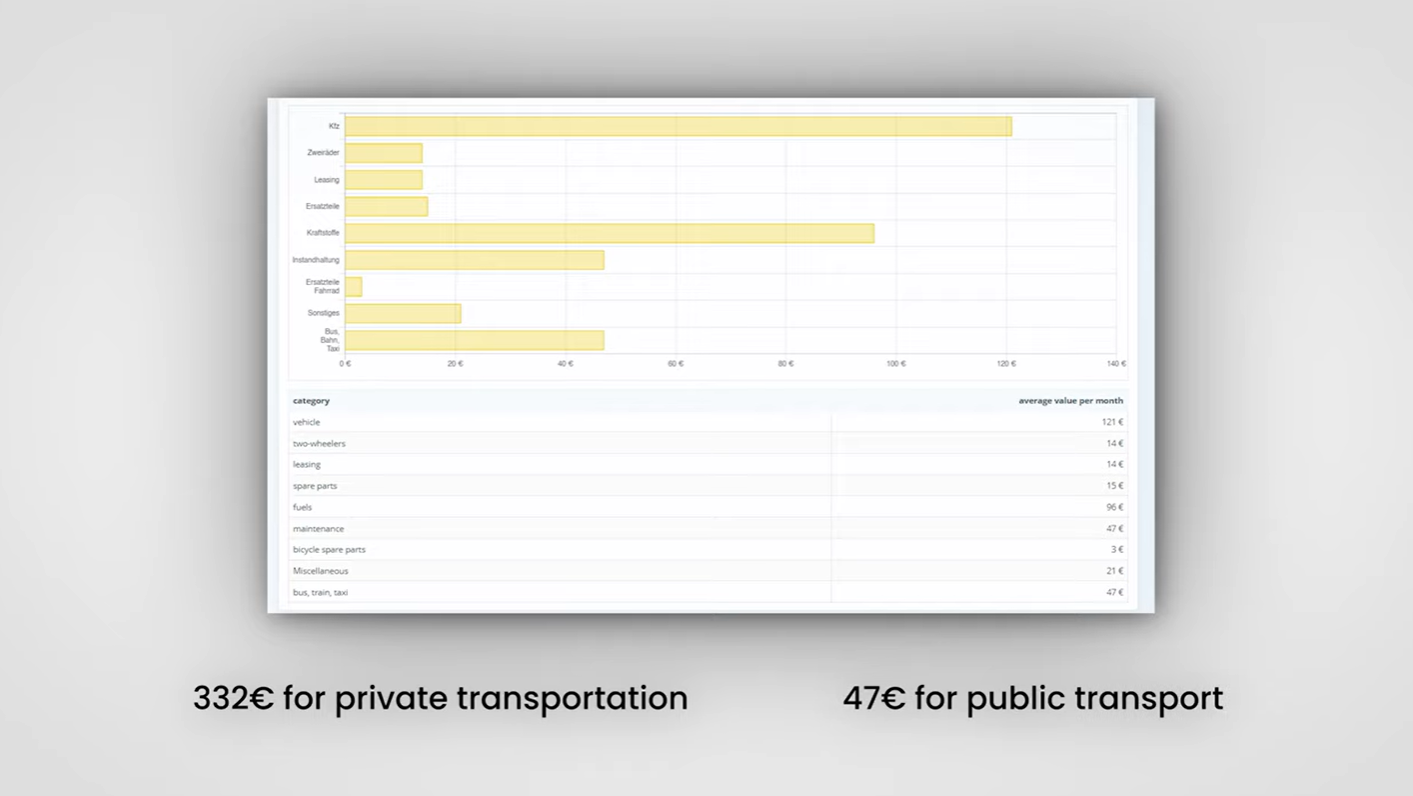
Overall, transportation costs in Germany average 379 euros per month, with 332 euros spent on private transportation and 47 euros for public transport.
Food, Luxury Goods


Food is another essential part of the cost of living in Germany. The amount spent on food varies greatly depending on eating habits and lifestyle choices. On average, households in Germany spend around €360 per month on groceries, which includes food, drinks, and tobacco products.
For reference, it costs around 70 cents for 1 liter of milk, €1.82 for a dozen eggs, €1.30 for a 500g loaf of bread, and €1 for 1 kg of potatoes.
Those who shop at budget-friendly supermarkets like Aldi or Lidl can significantly reduce their grocery expenses, while those who prefer premium or organic stores will likely see higher costs.
Leisure & Entertainment

How much you spend on entertainment in Germany largely depends on your lifestyle and personal preferences. A cinema ticket typically costs between 10 and 16 euros per seat, while a gym membership averages around 35 euros per month.
If you’re a sports fan, attending a Bundesliga football match can cost anywhere from 15 to 80 euros per ticket. If you are a party person, most clubs charge an entry fee ranging from 10 to 30 euros.
Instead, if you want to sit at home and watch a movie on Friday night, a Netflix standard subscription costs 13.99 euros per month.
However, entertainment doesn’t always have to be expensive. There are plenty of free activities available, such as visiting parks, hiking trails, or museums that offer free entry on certain days.
On average, households spend around 304 euros per month on these activities, which accounts for nearly 11% of total spending.
Dining Out and Accommodation

Eating out in Germany can be quite expensive, especially if done regularly. A meal for two at a mid-range restaurant, such as a traditional Bavarian beer garden, costs around €60 on average. For those looking for a quick and budget-friendly option, a döner kebab is a popular fast-food choice and typically costs around €5-10.
When it comes to drinks, a half-liter of German beer costs about 4 euros, while a cappuccino is slightly cheaper at 3 euros. A 0.33-liter bottle of water is priced at 2.51 euros, and a soda costs around 2.81 euros.
This category also includes occasional hotel stays. On average, households in Germany spend around 168 euros per month on eating out and related expenses, making up approximately 6% of total household spending.
Household Equipment and Furnishings
Household equipment and furnishings are another essential part of the cost of living in Germany. This category includes a wide range of items, such as furniture, kitchen appliances, home décor, cleaning supplies, and small household tools.
Budget-conscious shoppers can find affordable furniture and home essentials at stores like IKEA, while those looking for high-end furnishings may opt for designer brands like Segmuller.

On average, households in Germany spend around €137 per month on household equipment and maintenance, which accounts for approximately 5.1% of total household expenses.
Clothing

Clothing is another essential expense in Germany, whether for work, casual wear, or seasonal needs. This is one area where there is no limit on how much you can spend.
There are budget-friendly retailers like H&M or C&A, and also high-end fashion brands. A pair of jeans typically cost between €40 and €100, while a thick winter jacket, can range from €50 to €200. On average, households in Germany spend around 122 euros per month on clothing and footwear.
Health

Health-related expenses are another important part of the cost of living in Germany. Germany has a robust public healthcare system, with statutory health insurance (Gesetzliche Krankenversicherung) covering a wide range of medical services. For those who are self-employed or not covered by employer-sponsored insurance, private health insurance is an option.
However, it’s important to note that health insurance costs are generally not included in standard cost-of-living calculations, as they are deducted directly from an employee’s gross salary.
But that being said, you should still plan for additional medical expenses, such as medications, dental care, medical check-ups, and wellness treatments.
On average, households in Germany spend around 115 euros per month on additional health-related expenses.
Personal and Miscellaneous Expenses
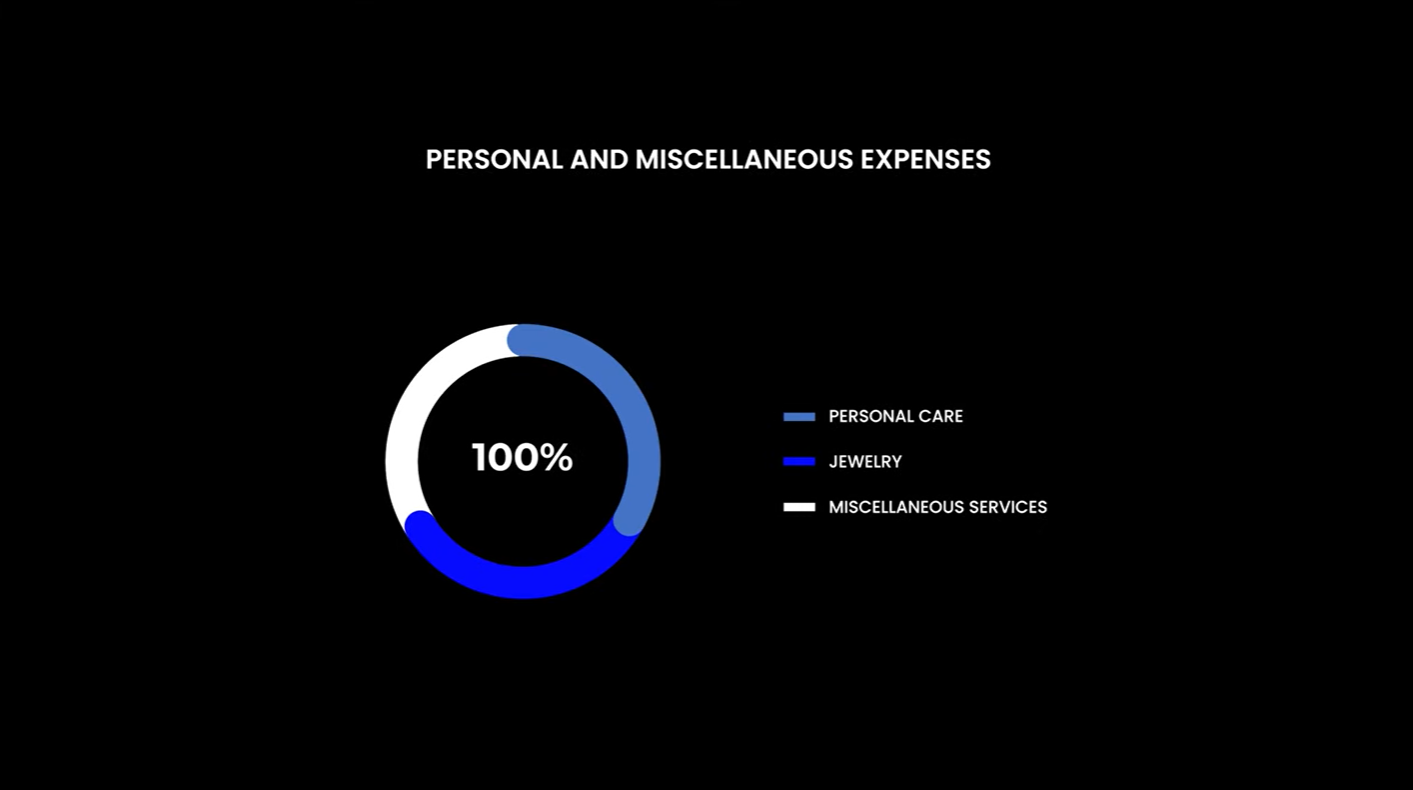
Beyond essential living costs, households in Germany also allocate a portion of their budget to personal care, jewelry, and other miscellaneous services.
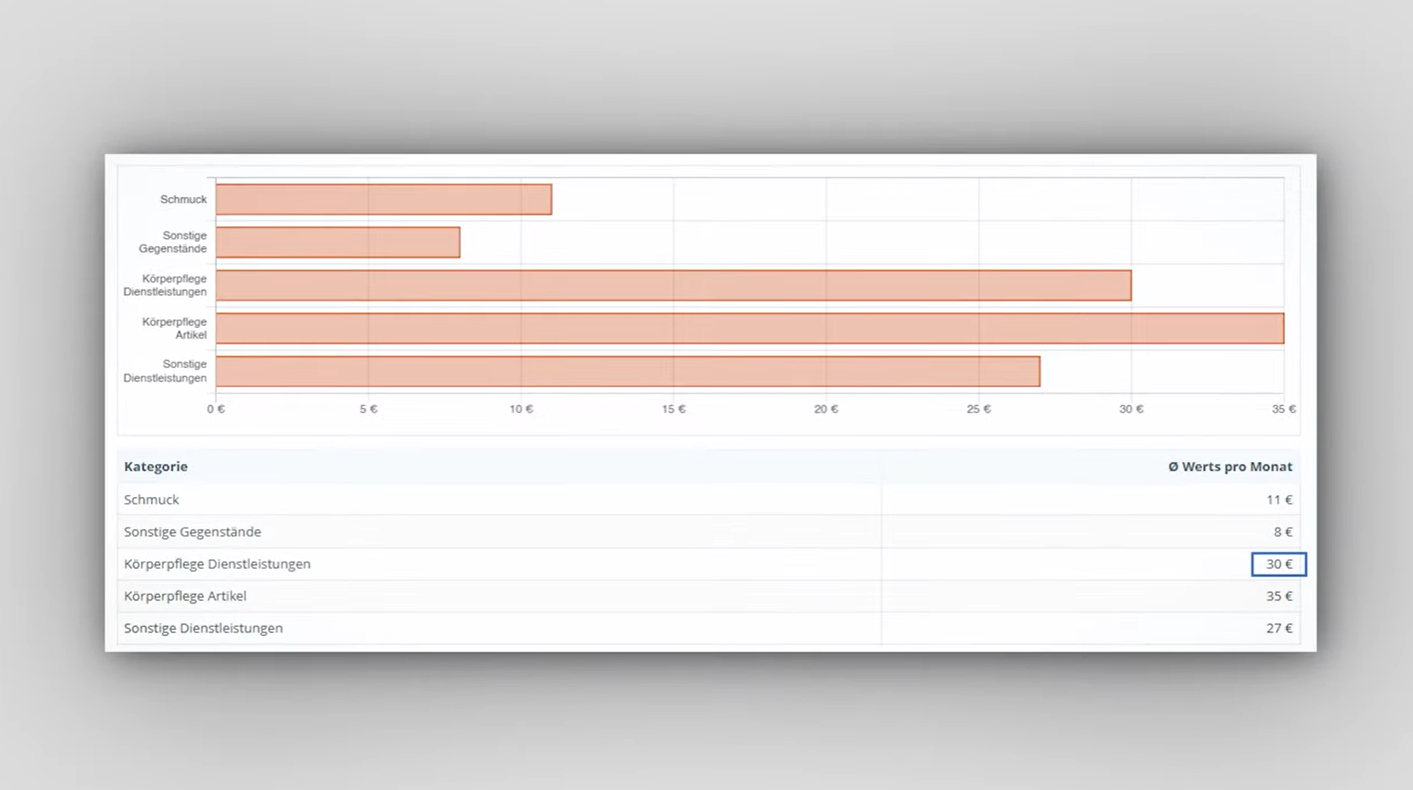
Services like haircuts, beauty treatments, and spa visits cost approximately €30 per month.
Additionally, personal care products, including skincare, toiletries, and grooming essentials, contribute another €35 to the monthly budget. Altogether, these expenses total around €111 per month, making up approximately 4.1% of the average household’s monthly spending
Communication
Education Expenses

Public schools and universities in Germany have low or no tuition fees, making education relatively affordable. However, students and professionals still need to budget for textbooks, course materials, and other specialized training programs.
On average, households in Germany spend around 28 euros per month on educational expenses, which accounts for approximately 1% of total household spending.
Disclaimer: The Content is for informational purposes only, you should not construe any such information or other material as legal or other advice. It is important to do your own analysis before making any decision.