

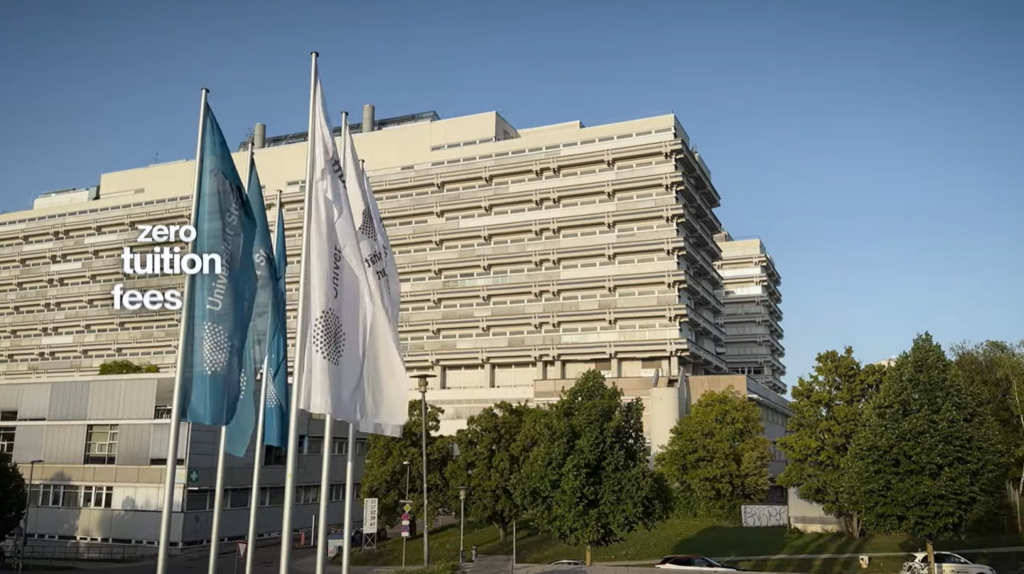
If you’ve been thinking about studying in Germany, I’m sure you’ve already heard all the good stuff: top universities, zero tuition fees, and, of course… the beer. So yeah, we’re not going to talk about that.
Let’s talk about the other side. The part no one really tells you about is the emotional toll. Because trust me, it’s not all rainbows and sunshine once you get here.
From the language barrier to the cost of living to the struggling job market, there are real challenges. And if you know what you’re walking into, you can make better decisions or at least be prepared. So let’s get started.
High academic demands
This is probably the first thing that’ll hit you the moment your classes start the academic pressure here is intense.
See, in many countries, university feels a bit more guided. You have weekly assignments, group projects, and regular feedback; basically, you’re somehow kept on track. But in Germany? Things are a bit different.
There’s no spoon-feeding culture here. No one is forcing you to show up to class. In fact, you could skip every lecture and no one would even notice. You’re completely on your own.
And it’s not just about attending lectures. You’re expected to really understand what you’re learning. To question things, challenge ideas, and think critically. Because in the exams, the questions won’t be straight out of the textbook. You will be tested on how you can apply what you’ve learned. So just memorizing stuff won’t help.
Now, I’m not saying that’s a bad thing. Honestly, it should be that way. But if you’re coming from a different educational system, this can feel overwhelming at first.
So yeah, if you’re planning to study in Germany, just know it’s going to push you. You just need to be ready to take responsibility and learn independently.
Cost of Living
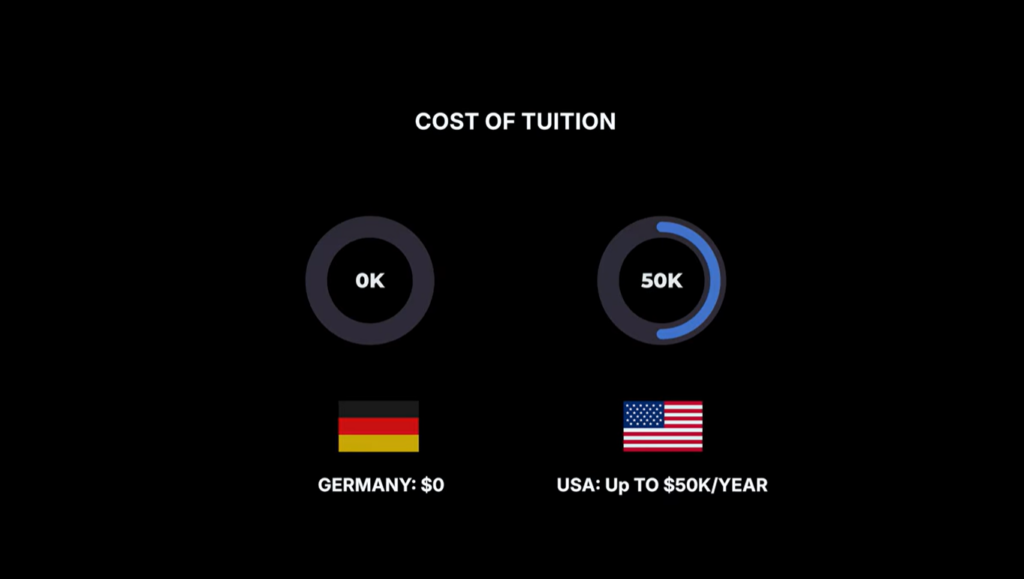
A lot of students from all over the world are attracted to German universities because of one big thing “zero tuition fees.” Especially when you compare it to countries like the US. So studying in Germany must be super affordable. But living in Germany? That’s where your calculations could go wrong.
Let’s start with the biggest expense, rent. This is where most of your money will disappear. Take Munich, for example. Beautiful city, tons of opportunities… But a tiny one-bedroom apartment can cost you €1,000 to €1,500 a month, depending on the location.
Even if you go for a shared flat, you’re still paying somewhere between €500 and €800. Student dorms are your best bet here, around €300 to €500 a month. But they’re super limited and not easy to get.
And rent is just the beginning. You’ve got health insurance, which is around €130 a month if you’re on public insurance. Then there’s transportation and groceries, and it all quickly adds up. So if you don’t plan your expenses properly, you’ll run out of money way faster than you expect.
Finding Accommodation
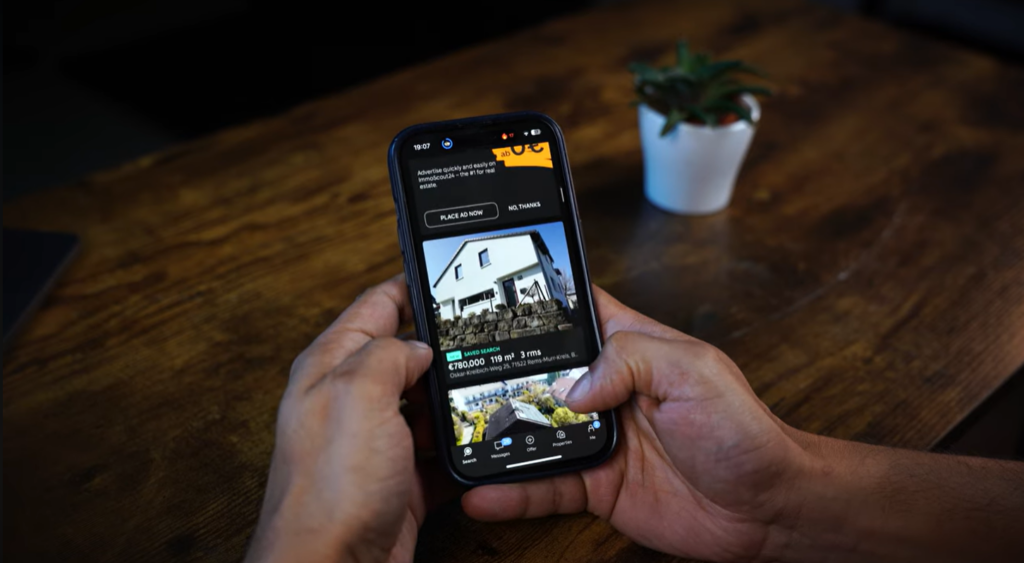
Even if you’ve got money to spend on rent, there’s one thing that most international students will struggle with: finding a place to stay. Especially if you’re moving to cities like Berlin, Frankfurt, or Munich. The demand is insane, and the supply is nowhere close to enough.
Yes, there are student dorms. But they’re super limited and fill up really fast. So if you don’t manage to get one, your next option is to start looking for a private apartment.
And here’s where it gets difficult. The moment an apartment offer goes online, the owner’s inbox gets flooded with applications. And even if you’re lucky enough to be invited to visit the place, you must bring along a bunch of documents: proof of income, a SCHUFA credit report, and sometimes even a reference from your previous landlord.
Now if you’re new here, chances are… You don’t have any of that yet. And that just makes the whole thing even harder.
So yeah, finding housing in Germany isn’t impossible. But it’s definitely not easy either. You’ve got to be quick, and honestly? You’ll need a lot of luck.
Bureaucracy
Now let’s talk about something everyone in Germany runs into sooner or later: German bureaucracy.
Germany’s known for being super organized. And yeah, for the most part, things work. People follow rules. Systems are in place. But all of that comes at a cost—paperwork. And tons of it.
If you’re an international student, get ready to drown in paperwork. You’ll need to register your address, sort out your visa, open a bank account, and enroll for exams… The list just goes on. And things won’t always go smoothly. Delays are common.
In the city I live in, people literally start lining up outside the foreign office at 4 a.m.—just to get an appointment. Sometimes, you need a form… just to request another form. I know it sounds crazy, but it’s real.

And if you aren’t prepared, this system will test your patience.
Social Isolation
This is something not just international students but most expats struggle with. Fitting into a new culture and environment.
Moving to a foreign country is never easy. But Germany? It can feel really tough, especially if you end up in a small town. After 6PM, everything just… shuts down. Shops close, streets go silent, and everyone disappears into their homes. For those who are used to busy streets and a lot of noise back home, it can get really isolating.
Then comes the weather. Most universities start in the winter semester. If you are from a tropical country, seeing snow for the first time is super exciting. But that excitement fades away soon.
The temperatures drop to below zero, everything turns grey, and people start walking around like they’ve given up on happiness. And if you are alone, it can make you really depressed.

So what’s the one thing that helps? Making friends. But even that’s not easy in Germany. Friendships take time. People are a bit more reserved and keep their distance at first. You have to invest time and effort to build connections.
Job Prospects

And even after you push through everything, finish your studies, graduate, and finally start applying for jobs, things don’t magically get easier.
Even with a German degree, there are no guarantees. You need a proper CV in the German format and a customized cover letter for every job you apply to, and most roles expect you to speak German.
And the job market right now? It’s tough. Companies are cutting back, reducing salaries, and letting people go. And the “worker shortage” you keep hearing about is mostly in specific fields or the so-called bottleneck professions. We’re talking about nurses, electricians, plumbers, construction workers… jobs that are always in demand.
So if you’re planning to move here in 2025, and you’re not in one of those high-demand areas—and your German isn’t great—just know that competition is huge and finding a job might take longer than you expect.
German Language
And on top of everything else, there’s the language barrier.
If you’re planning to live in Germany, yes, you do need to learn German. I know that’s not what most people want to hear, but honestly, there’s no way around it. And yeah, in the bigger cities, you’ll meet people who do speak English. You’ll find international students, and you can get by with English for a while.
But at some point, you’ll have to step out of that bubble. Maybe you’ll need to find a job. Maybe you’ll get sick and have to see a doctor. Or you’ll need to register your address at the Bürgeramt. If you want to actually settle here and build a real life, you’re going to be good at German.
So even if you’re studying in English, start learning the language early. I have put together a simple, free guide to help you get started with the basics. Nothing fancy—just the stuff you need to get going. You can find the link in the description below.
So yeah, studying in Germany can be an incredible experience, but it’s definitely not as easy or effortless as it might seem. It’s a journey that takes patience, effort, and a real willingness to adapt.